



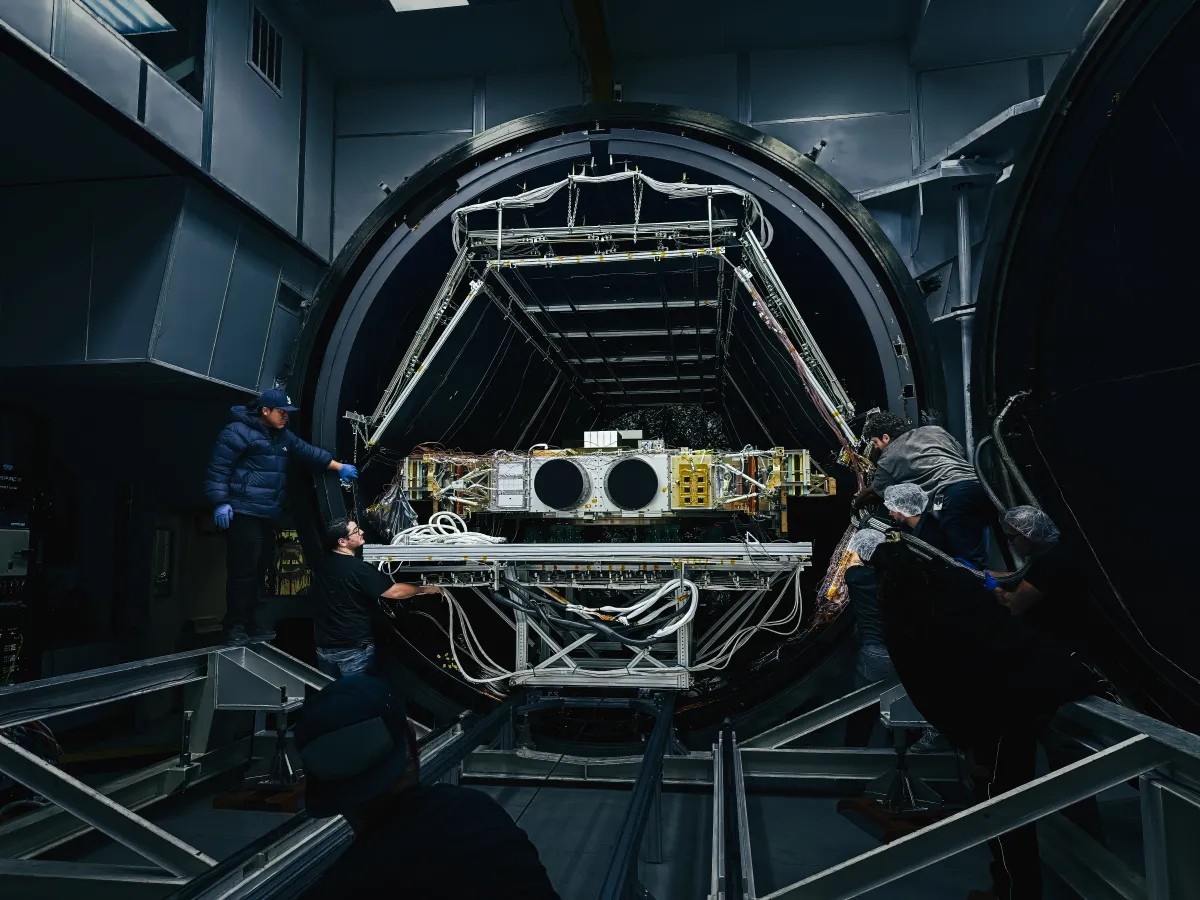
New aerospace company K2 Space is preparing to launch its first high-power satellite, Gravitas, in the coming weeks. This mission represents a significant step toward realizing the future of space data centers and advanced orbital computing. Start bude demonstrovat kritické technologie potřebné k vybudování výkonné výpočetní infrastruktury ve vesmíru, což je sektor, který rychle nabírá na síle mezi vládami a soukromými společnostmi.
Gravitas Mission: Powering the Next Generation of Satellites
Společnost K2 Space, založená v roce 2022 bývalými inženýry SpaceX, navrhla Gravitas tak, aby produkovala působivých 20 kW elektřiny – významný skok oproti několika kilowattům generovaným většinou současných kosmických lodí. This satellite, weighing two metric tons with a wingspan of 40 meters when deployed, will test several key functions. First, the team will verify successful power generation and payload deployment. Second, they will appreciate the 20 kW electric motor, which K2 claims will be the most powerful ever tested in orbit. Finally, the satellite will try to lift itself into a higher orbit using this engine.
Proč jsou nyní důležité výkonné satelity
The demand for more energy in space is not theoretical: it is driven by real needs. Větší poskytovatelé cloudu stanovují ceny za orbitální výpočty, zatímco vojenské aplikace, jako je systém protiraketové obrany Pentagonu v hodnotě 185 miliard dolarů, vyžadují výkonné a spolehlivé satelitní sítě. More power directly results in higher communication throughput, making signals less susceptible to interference. The ability to operate advanced processors in orbit—critical for real-time data processing—also depends on reliable power generation.
Rovnováha mezi náklady a schopnostmi
K2 Space is aware of the problem of high launch costs. Current Falcon 9 launch prices for a craft the size of Gravitas are approximately $7.2 million. The satellite itself costs $15 million, making it a more affordable and powerful alternative to traditional high-power spacecraft. K2 se také připravuje na větší a levnější rakety, jako je Starship společnosti SpaceX a New Glenn společnosti Blue Origin, které by mohly výrazně snížit náklady na start. Společnost je připravena vyrobit 100kilowattový satelit a připravila výrobní zařízení pro výrobu, až budou široce dostupné nízkonákladové možnosti startu.
Velký obraz: Vzkvétající vesmírná ekonomika
K2’s strategy is to prepare for a future where larger, more powerful satellites are not just feasible, but necessary. The company plans to launch 11 more satellites by 2028, scaling production to meet growing demand for high-power space infrastructure. Úspěch Gravitas demonstruje životaschopnost tohoto přístupu a připraví cestu pro novou éru orbitálních počítačů a komerčních satelitních sítí.
Nakonec mise K2 Space zdůrazňuje zásadní posun ve vesmírné ekonomice: Závod o dodání více energie na oběžnou dráhu probíhá a vítězové určují budoucnost zpracování dat, komunikace a národní bezpečnosti.