


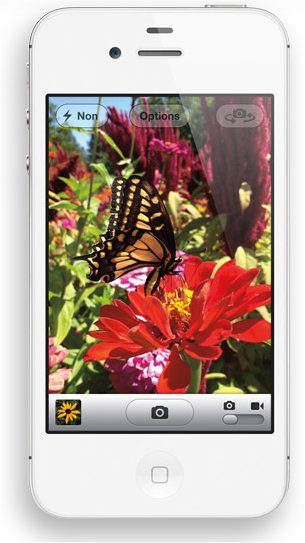
We take it for granted that we have a pane of glass in our pocket. Swipe, pinch, tap. It just works. But the magic is not in the glass. It’s in the invisible electric field that hums just beneath the surface.
Modern touchscreens are based on two main technologies: resistive and capacitive. Resistive screens are traditional thin film layers that form physical contact when pressed. Can be used with a pen, fingernail or even a gloved hand. They’re durable. It is very cheap. But they feel like pressing buttons.
Capacitive screens are different. It’s standard on everything from iPhones to high-end tablets. They demand a bare finger. No gloves. No styluses (unless it is conductive). It’s everywhere because it’s fast, responsive and incredibly intuitive.
Beyond the Smartphone
您可能认为电容技术仅适用于手机。 Think bigger。
这些屏幕现在驱动现代汽车中的交互式仪表板。 您会在注重卫生的医疗设备上找到它们——戴手套的手触摸屏幕更安全,但裸露的手指可以更快地进行快速调整。 它们为销售点终端、自动化信息亭,甚至博物馆的艺术装置提供动力。
这次爆炸的原因是什么? 人体工程学。
电容式表面感觉很轻。 他们立即做出反应。 这鼓励基于手势的界面。 简单的滑动感觉很自然。 两指捏合可平滑放大。 我们已经停止点击并开始互动。 这种转变改变了我们的工作和娱乐方式,将复杂的设备变成了我们双手的延伸。
The Physics of the Touch
So how do you know where you taped?
It does not measure pressure. It’s measuring electricity.
Your body is conductive. Moist skin in particular is a good conductor. When your finger approaches the screen, a small amount of electrical charge draws a tiny amount of electrical charge from the surface of the screen. The display detects this loss of charge.
Here’s the technical bit: Beneath the glass is a thin transparent conductive layer. Usually made of indium tin oxide (ITO). Creates a uniform electrostatic field on the surface.
Touching the screen disrupt that field. The charge at that specific point drains away at that point. Sensors in the four corners of the screen measure the current flowing to that point. By comparing data from all four corners, the controller can calculate the exact coordinates of the touch.
It’s triangulation using electricity.
Multi-Touch and Projected Capacitance
Early capacitive screens could only track a single touch point. That was limiting.
Modern screens use Projected Capacitance (PCAP) technology. This architecture creates an grid of internal conductors that run along the X and Y axes. It’s like a net woven into the glass.
This grid allows the screen to detect multiple touch points simultaneously. This is multi-touch. You can scroll with one finger and zoom with two fingers at the same time. It adds precision. Filter out accidental touches, such as placing your palm on the screen while typing. The system ignores the large static area of the palm and focuses on the active fingertips.
There is also an older method, Surface Capacitance. Uses a single conductive coating. This is simple, but less accurate on large screens. PCAP is mainly used in smartphones, tablets and laptops. Surface capacitance is found in large industrial controllers and ATMs where extreme durability is required rather than high accuracy.
Why It Matters
Switching from resistive to capacitive isn’t just about improved specs. It’s about changing the relationship between humans and machines.
Resistive screens ask you to press. Capacitive screens require touch. This subtle distinction is important. It makes technology more of an environment than a tool.
We are used to user interfaces that anticipate our moves. Swipe left to go back. We tap to open. Double tap to enlarge. All this is based on accurate real-time measurements of small electrostatic disturbances.
It’s delicate。 The ITO layer is thin enough to be transparent, but still conductive enough to carry signals. It’s fragile in a way glass isn’t. If your cell phone is dropped, the circuit breaks. The screen goes dead.
But when it works, it becomes invisible. You can’t see the electric field. You don’t feel the charge transfer. Only the results are shown.
That’s the point. The best technology disappears. It leaves you with nothing but the action.
So the next time you unlock your phone, remember: you’re not just tapping glass. You’re completing a circuit.
电容式触摸不再只是一个功能。 这是标准。 但与旧的电阻屏幕相比,你会发现为什么你的手机感觉与商场里的售货亭不同。
主要优点是透明度。 电阻屏幕需要堆叠塑料层来阻挡光线。 电容式则不然。 你会得到更好的亮度。 颜色看起来更真实。 机械磨损较少,因为在恒定压力下没有膜会降解。 耐用性很重要。
但有一个问题。 制造成本高,尤其是大型面板。 不,你不能在它们上使用普通的手写笔。
How multi-touch changes interaction
Multitouch is a real game changer. Resistive screens can only record one touch point. Capacitive screens detect several points simultaneously. This is not just a trick. Supports complex gestures. Pinch to zoom. Rotate the image. Scroll through large documents without losing your place.
This fluidity makes the interface feel intuitive. It feels natural. This is why mobile computers became popular after Apple popularized multi-touch with the iPhone.
电容技术的局限性
尽管电容式触摸占据主导地位,但它也存在严重缺陷。 它针对裸手指进行了优化。 它忽略被动对象。 指甲? 无用。 大多数手套? 无用。 标准手写笔? 无用。
有源手写笔是存在的,但它们需要额外的技术。 这增加了复杂性。 这增加了成本。
湿度是另一个敌人。 水滴可能会造成误触。 这会扰乱使用。 想象一下尝试在雨中或用湿手使用手机。 屏幕可能会认为您的拇指是四个不同的手指。
电磁干扰也是一个问题。 在绝对可靠性不容妥协的工业或医疗环境中,电容屏可能会出现故障。 他们很敏感。
Where the technology is heading
Capacitive touch didn’t start with smartphones. Early models were aimed at ATMs and interactive kiosks in controlled environments. Miniaturization and improved energy efficiency promote adoption in mobile devices.
Today, the focus is on versatility. Manufacturers are developing displays that can be used underwater. Others use different conductive materials, allowing for interaction with a wider range of objects.
Haptic feedback is growing. Some displays simulate different tactile sensations. Curved and flexible screens are no longer prototypes. They are products. The scratch-resistant and oleophobic coating facilitates daily maintenance.
The industry also combines safety and ergonomics. Integrate Fingerprint recognition directly into the surface of the capacitive screen. This increases safety without adding mass.
Sustainability is becoming a key factor. Future development may focus on recyclable materials. Reduce environmental impact during production.
The future of interactive surfaces
Research on sensitive materials continues to change the way we interact with digital interfaces. Projects such as the Inria’s Touch Sensity initiative investigate how materials can become smart surfaces. This is more than just a great phone. This includes new applications in medicine, art and education.
Capacitive displays are no longer just display components. It is the driving force behind innovation. This forms the next generation of human-computer interfaces. Whether it’s a durable tablet on the factory floor or a flexible display in a smartwatch, the underlying technology is constantly evolving.
The question is not whether capacitive touch will remain mainstream. It’s how much more we’ll ask it to do. Can it work reliably in harsh conditions? Can it seamlessly integrate with biometric security without sacrificing responsiveness? The answers are already being written in code and silicon.


