


No need to carry around a CD player anymore. It adds a soundtrack to your life and fits in your pocket. Whether you have an iPhone or an Android device, hundreds of music apps are vying for your attention. Stream, share and organize your music while walking down the street or in traffic.
You might be wondering, “Why don’t I just drag files from my computer to my phone?” you can it works. However, the method is static. It’s dead weight. Modern music apps do more than just play files. They manage your library. You can tag, sort and rearrange your songs on screen. Connects you to a global community of listeners. He introduces me to bands I didn’t know about but didn’t already like.
Let’s take a look at the tools that are changing the way we listen to music.
iTunes: Heavyweight Champion
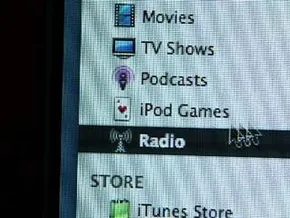
iTunes is always there. In tech years, that’s an epoch. This has revolutionized the way we buy and listen to music, but most people ignore it as background noise. It’s basic. Powerful. Unavoidable.
About 70% of all music downloaded in the US still goes through the iTunes Store. If you have iTunes installed on your computer, it will sync seamlessly with your Apple devices such as iPad and iPhone. You can download music wirelessly. Or buy tracks directly to your phone. Apple also introduced iCloud, which stores music on remote servers. You can then download it to any device you own.
iTunes also has Ping, a social layer. You can post songs, photos, and comments. Your followers can buy what you recommend with one click. Get notifications when your friends hear new songs or when your favorite bands release albums. This is a social network for enthusiasts.
Amazon Cloud Player: Storage Without the Bulk
The cloud service has changed the way music is stored. The song files are on the remote computer, not on your hard drive. This frees up space for your device. It also means you can access your favorite music anywhere, on any device.
Amazon Cloud Player allows you to play music uploaded to Amazon’s servers. Get 5GB for free. Need more? You pay. When you buy songs from Amazon, they are stored directly in the cloud. Or upload files from your computer. Then listen with the Cloud Player app for Android or iPad.
It doesn’t work natively on the iPhone. However, you can use Safari to access your cloud library. It’s not perfect, but it works.
For those who want to dig deeper, The Hype Machine plays music submitted to music blogs. You get insights into tracks you might otherwise miss. It’s like having a tastemaker in your pocket.
Rdio: Music as a social activity
Music is social. Share it. Let’s work together. Rdio leans into that. It’s a paid service that offers access to streaming tracks and playlists from a library of 8 million songs.
The user interface is very clean. You can follow your friends on Facebook and Twitter to see what they’re listening to. They can check out your discoveries too. Rdio creates artist-based radio stations. You can also check your local iTunes library and stream those owned tracks on the go.
The Rdio mobile app works with Android, BlackBerry, iPhone and Windows Phone 7. It’s a cross-platform bridge for music lovers.
Pandora: Algorithmic Radio
Pandora was one of the first Internet radio applications. It doesn’t play specific songs on demand. It creates custom streams based on your choices. Select an artist or genre. Pandora analyzes its huge database to find similar songs. It learns your preferences. Offers new music based on your listening patterns.
You can send stations to friends by email. Add songs to bookmarks. Buy the song on iTunes. The album artwork can be seen in the mobile application. It gives you bios on artists. It tracks what you’ve just played.
There is a free version. However, paid subscriptions remove ads. The streaming quality improves. You can listen to it without any restrictions. For heavy users, it’s worth it.
If you want traditional radio, iHeartRadio plays over 750 stations in 150 cities. This is real time. high quality. free.
SmartMusic: For Educators
Not everyone is a good listener. There are also teachers. SmartMusic connects music teachers and students online. With the mobile version of SmartMusic Inbox, teachers can view, grade and comment on students’ work on a phone or tablet. It’s a niche tool, but it’s changing the way distance music education is done.
We’ve only scratched the surface here. Landscapes are always changing. A new application has been released. Old ones die. But the core desire remains the same. This means that we want our music to be easily accessible, customizable and shareable.
Which app do you trust to curate your life? Do you trust algorithms? Friends? Or is it just your own history?
The answer may change tomorrow.
Grooveshark
The next option is Grooveshark. It works a little differently than large companies that require algorithms. This platform is heavily dependent on its user base. Users often upload songs before they reach major labels or streaming lists. This creates a large informal library. Discover unknown songs, live recordings and mixes that you won’t find anywhere else.
It is free to use and displays ads. However, there are paid tiers for advanced users. These eliminate interruptions and provide a higher quality stream. The user interface is very clean. Search for songs. It will be played. Simple.
One of the strongest features is the social aspect. You can follow other users. See what they listen to. Create collaborative playlists. It feels more like community-oriented radio than a utility.
Compromise
However, there is a problem. Copyright issues always occur in content uploaded by users. The song disappears. Artists pull their tracks. Libraries are dynamic and can be frustrating. Even if you create the perfect playlist, half of the songs might disappear overnight.
Perfect for discoveries. If you want to hear the B-side of the 1994 album, Grooveshark probably has it. If you need reliability and stability, use a licensed service.
Overview of options
We considered several options.
Spotify offers the most refined experience. The sound quality is top class. The collaboration features are unique. This is a safe choice for most people.
Slacker Radio is suitable for passive listening. The expert-curated stations are perfect for breaking the algorithmic loop. The ability to switch to comedy or news channels is a great option for those looking for variety seekers.
Last.fm is perfect for data geeks. The scrobbling feature tracks your habits across devices. Understand your preferences with amazing accuracy. This is more of a recommendation engine than a player.
Grooveshark is a wildcard. Perfect for deep cuts and unusual finds. your curated playlists are at risk due to copyright removals.
Which one suits your habit?
If you listen to a lot of music, Spotify’s offline mode is important. Slacker’s streaming stations are great for short listens. If you like discovering new artists, Last.fm’s recommendations are unbeatable. If you’re tired of the same mainstream hits, Grooveshark’s user-uploaded content might suit your needs.
The market is changing fast. A new application will appear. Old ones pivot. Basic needs remain the same. You want music. You want it easy. You want it to just work.
This is true for most of these apps. Some people do it better than others. The choice depends on whether you value stability or versatility. control or discovery.
It’s not always possible to have it both ways.
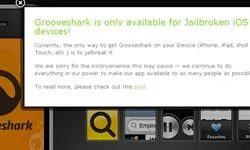
For users who want more control than standard radio stations offer, streaming services like Grooveshark offer clear advantages. The biggest draw is that you can manage your own library. You are not just a passive listener. You are an archivist. The platform allows you to upload your own music files and add them directly to the currently playing stream. This creates a hybrid experience where your personal collection sits alongside a vast cloud catalog.
For mobile users, Grooveshark Anywhere bridges the gap between devices. It syncs your uploaded tracks and playlists to your Android, Palm, BlackBerry or Symbian phone. This means you are not locked into your desktop browser. You can browse the full catalog over 3G or WiFi so you can be sure to take your music with you.
Creating a playlist is the real highlight of this app. Users appreciate how easy it is to build virtual mixtapes. Whether you’re throwing a dance party or just want to deal with background noise, these tools are intuitive to use. Sharing is also easy. Push your playlist to Facebook or Twitter with one tap. Offline access is also an important feature that allows you to download sets even if the connection is lost.
The free tier is perfect for casual listeners, but Grooveshark Plus unlocks its full potential. This paid version removes ads and significantly improves the quality of life for heavy users. It also adds more customization options. If you want a mobile experience that rivals your desktop, you can upgrade to Grooveshark Anywhere for an additional fee. While not absolutely necessary, this will improve the integration between your phone and your cloud library.
Identifying Unknown Tracks
Knowing the name of the song is only half the battle. Finding it is the other. This is where Shazam comes into play. Shazam works as an audio search engine and is designed to solve the problem of hearing a catchy song and forgetting the artist.
The app is available for iPhone and Android and works by recording a few seconds of audio. It compares this sample to a large database and returns the song name, artist and album almost instantly. Very fast even in noisy environments.
Shazam is more than just recognition. It is tied to the music economy. You can buy songs directly from the app. The lyrics are also included, so you can follow along. You can also tag songs with keywords to create a Searchable History of everything you listen to. One particularly useful feature is the connection to Pandora. When Shazam recognizes a song, it can transfer that listening experience to Pandora, which creates a mix of similar songs. This creates a seamless flow from discovery to exploration.
Humming Your Way to a Hit
Not everyone can hear the song clearly. Sometimes there are just fragment stuck in your head. SoundHound solves this particular pain point. It works on iOS and Android devices and uses voice recognition technology. Sing or hum the melody and the app will recognize the song.
This is not limited to user generated input. SoundHound is also able to identify songs playing from nearby speakers in just 4 seconds. This makes it a useful tool for clubs, shops or music sources that you have no control over. Shazam’s direct audio matching takes a different technical approach to bridging the gap between what you hear and what you know.
Lyrics and global trends
TuneWiki takes the concept of mobile music interaction even further. Turn your smartphone into a kind of karaoke machine. This service provides synchronized lyrics for almost any song you listen to. You can watch music videos while scrolling the text in real time. We also support translation into 40 languages, making international music easier.
Originally popular on Android and Symbian devices, TuneWiki has expanded to iPhone and iPad as well. The user interface is designed not only for practicality, but also for commitment.
One of the standout features is the song map. This tool allows you to determine a location on the world map and see what kind of music is popular in that area. Offers interesting insights into local culture and trends. If you want to stay on top of the game, TuneWiki offers live top 50 charts from around the world.
This app also makes use of social connections. Link your favorite social media accounts to find friends and fans of specific bands. These contacts will become your “muse”. They like new songs, so these songs are recommended for you. The more muses you have, the wider the music selection. This turns music discovery into a collaboration based on the taste of trusted people, not just algorithmic guesswork.
Overall picture
The mobile music world has moved from simple playback to a complex ecosystem. Apps like Grooveshark, Shazam, SoundHound, and TuneWiki each solve a different problem. One person is responsible for managing the library. The other handles identification. The third handles vocal input. The last point is about social discovery.
It’s don’t just replace the CD. They replace the process of discovering, sharing and understanding music. There is no longer a barrier between listening to a song and owning, sharing or knowing its context. For the average user, this means less time searching and more time listening. The technology fades into the background, leaving only the music.
What happens when these platforms come together? We are seeing early signs. Features bleed across apps. Lyrics