


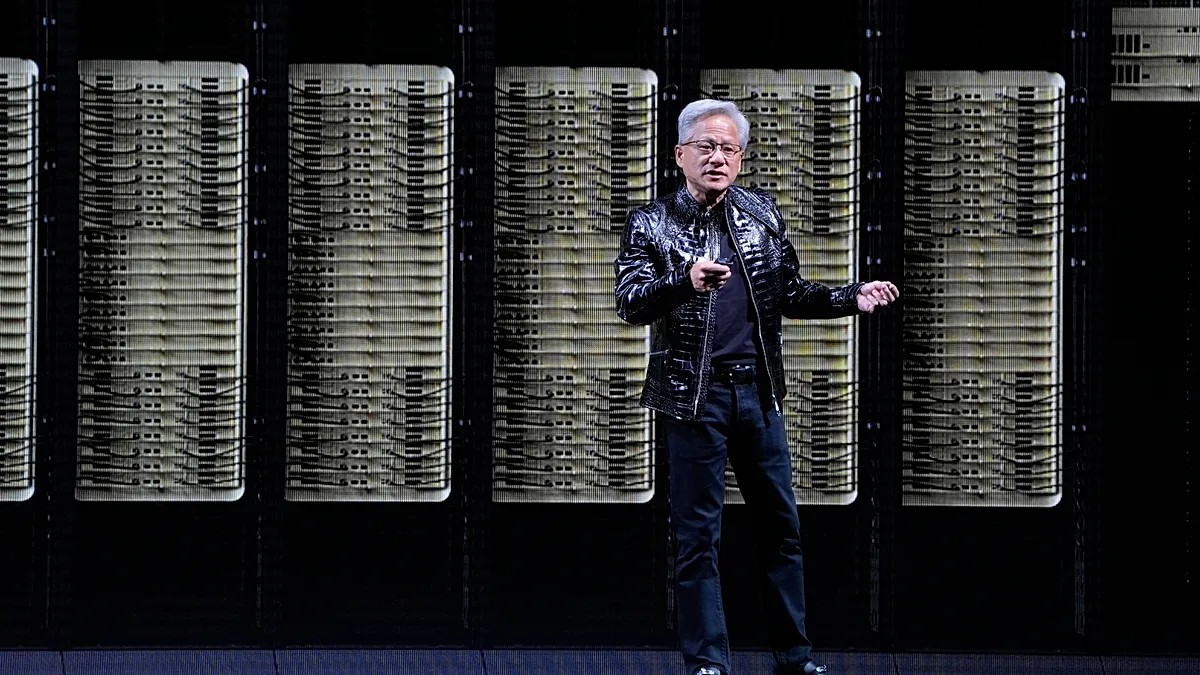
The U.S. government, under President Trump, has loosened restrictions on exporting Nvidia’s H200 series semiconductors to China. This shift, detailed in a new Commerce Department regulation, marks a notable change in policy, moving from a presumption of denial for export applications to case-by-case consideration. The move follows lobbying efforts by Nvidia CEO Jensen Huang and reflects a balancing act between national security concerns and commercial interests.
Key Changes to Export Rules
Previously, the U.S. tightly controlled semiconductor exports to China due to fears that these advanced chips could be diverted for military applications. The updated regulation introduces several conditions:
- Third-party testing: Chips must undergo independent verification to confirm performance capabilities before shipment.
- U.S. supply sufficiency: Exports are only permitted if domestic demand is met first.
- Export limits: China cannot receive more than 50% of the total U.S.-made production.
- Customer verification: Exporters must implement strict “Know Your Customer” procedures to ensure legitimate end-use.
These measures aim to mitigate security risks while allowing certain sales to proceed. The regulation applies to Nvidia’s H200 chip, a high-performance but not the most advanced product in their lineup. The Blackwell and Rubin processors remain excluded from the easing of restrictions. Competitors such as AMD are also subject to these updated rules.
Geopolitical Implications
The move reflects the intensifying technology race between the U.S. and China. Semiconductors are critical for a wide range of technologies, including AI, military systems, and consumer electronics. While the U.S. currently leads in semiconductor production, China is rapidly developing its domestic capabilities.
This matters because: Restricting China’s access to U.S. technology could accelerate its own innovation in the long term, potentially eroding American dominance. Some argue that allowing controlled exports fosters competition and keeps U.S. manufacturers competitive. However, others believe that even limited access empowers China’s military and technological advancement.
Nvidia’s Perspective
Nvidia has welcomed the decision, stating that it “strikes a thoughtful balance” between national security and commercial interests. The company emphasized that the updated regulation supports high-paying jobs and manufacturing in the U.S., while accusing critics of inadvertently aiding foreign competitors.
According to reports, Chinese tech companies have already placed orders for over 2 million H200 chips for 2026, exceeding Nvidia’s current production capacity. The Trump administration will collect a 25% surcharge on these sales, providing a financial benefit while still allowing exports to proceed.
China’s Response and Future Outlook
Notably, the Chinese government previously encouraged its tech companies to boycott Nvidia’s chips when a similar partial export ban was lifted in July 2023. This suggests that Beijing may continue to prioritize self-reliance even as U.S. restrictions ease.
The H200 delivers six times the performance of previous restricted models, and demand will likely remain strong until China’s domestic chip production catches up. This decision ensures Nvidia maintains its revenue stream while acknowledging the ongoing strategic competition with China.
The situation demonstrates a pragmatic approach to a complex geopolitical challenge: balancing economic interests with national security concerns in a rapidly evolving technological landscape.