


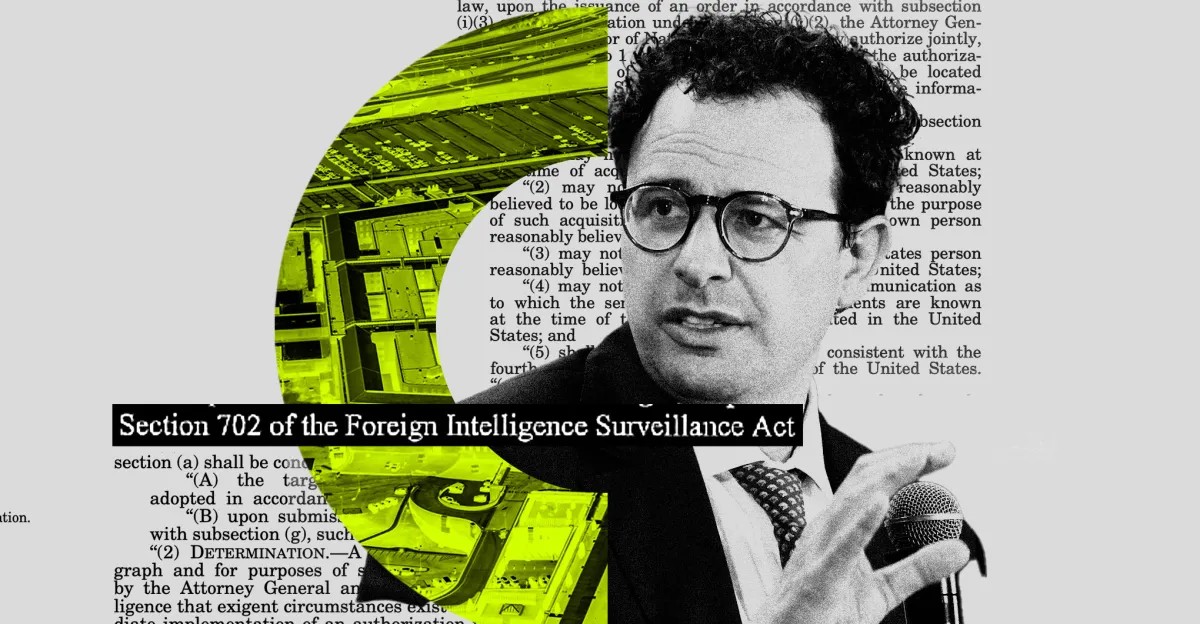
The clash between Anthropic, the AI firm behind Claude, and the Pentagon isn’t just a legal battle; it’s a stark reminder of how deeply the U.S. government bends the rules to expand surveillance – and why trusting them on this issue is a mistake.
The Surveillance State in Practice
For decades, the U.S. government has operated under a system where the literal meaning of laws is secondary to what officials want the law to mean. This has led to interpretations that allow mass surveillance far beyond what most Americans realize. The NSA, in particular, has redefined terms like “target” to justify collecting data on individuals who merely mention foreign contacts, effectively turning any communication with international ties into fair game.
This isn’t a new problem. The pattern has repeated since the post-9/11 era, with administrations of both parties exploiting legal loopholes and executive orders (like Reagan’s Executive Order 12333) to expand surveillance powers. The FISA court, designed to oversee intelligence activities, has often acted as a one-sided system where only the government presents its case in secret.
The History of Broken Promises
The core issue is that the government consistently claims it doesn’t spy on Americans while simultaneously collecting vast amounts of data under the guise of national security. Officials have repeatedly deflected or lied when questioned directly, as seen in James Clapper’s infamous 2012 testimony where he denied mass surveillance only for Edward Snowden’s leaks to prove otherwise.
The key is how the NSA interprets laws: if a communication merely touches a foreign connection, it’s considered fair game for collection. This allows them to retain data on U.S. citizens even if the primary intent was to monitor foreign targets. The result is a system where the government effectively collects any information that passes through international networks, regardless of whether it involves U.S. persons.
Why This Matters
The Anthropic case highlights this issue in real-time. The company is challenging its designation as a supply chain risk, arguing that the government is overreaching and violating its rights. But the broader problem is systemic: administrations of both parties have incrementally eroded privacy protections while justifying it under the umbrella of national security.
The fear of another terrorist attack creates a constant pressure to expand surveillance, and the intelligence community exploits this by bending legal interpretations. This happens because there’s little adversarial pushback in the process, allowing officials to justify expansions with minimal scrutiny.
Ultimately, the U.S. government has a long history of twisting laws to achieve its surveillance goals. This isn’t about good intentions or bad presidents; it’s about a system where officials prioritize power over legal constraints. The Anthropic case is just the latest example, and it serves as a clear warning: trusting the government on surveillance is a dangerous mistake.