



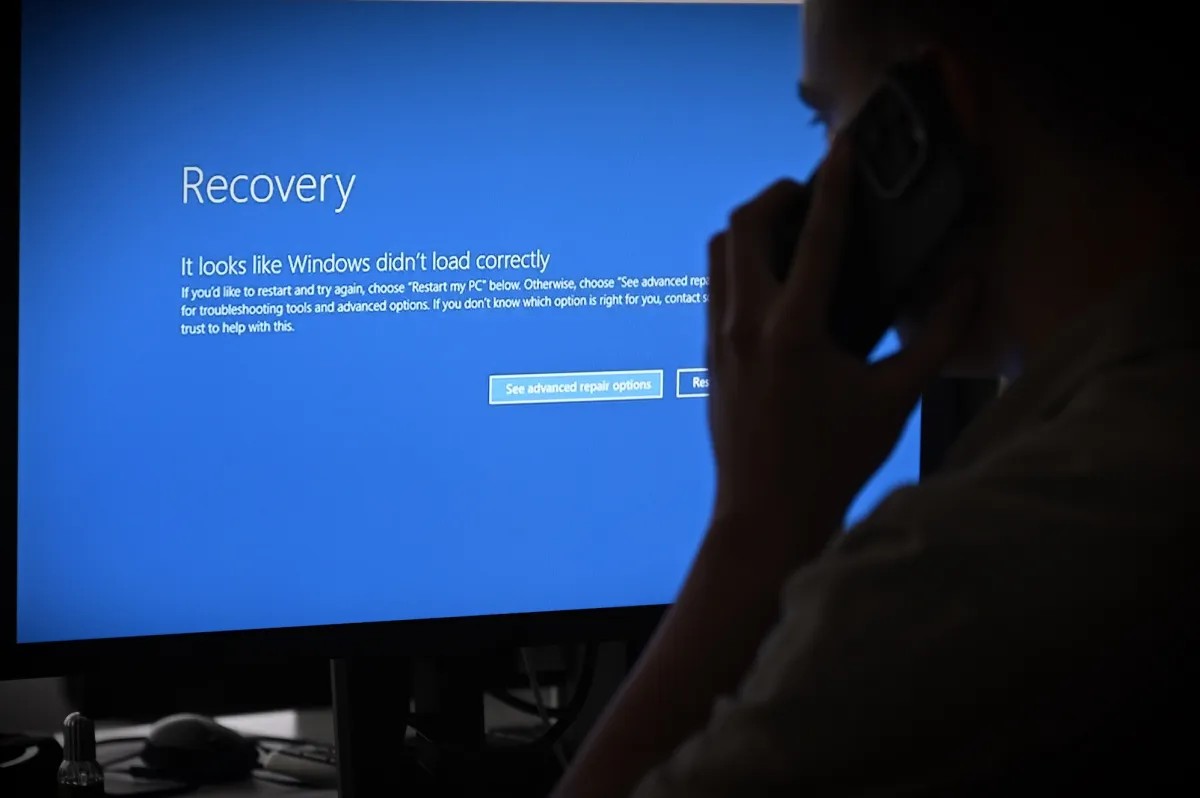
The developer behind VeraCrypt, a widely used open-source encryption tool, has issued a critical warning to Windows users: a sudden account termination by Microsoft could soon make it impossible for many to boot their computers.
The Core Issue: A Revoked Digital Signature
Mounir Idrassi, the Japan-based developer of VeraCrypt, announced on March 30 that Microsoft has terminated the account he has used for years to sign Windows drivers and the bootloader.
In the Windows ecosystem, software developers must use digitally signed certificates to prove their code is authentic and has not been tampered with by hackers. This is especially vital for “bootloaders”—the software that runs the moment you turn on your computer. Because Microsoft controls the authority that validates these signatures, losing access to a developer account doesn’t just stop updates; it can render the software “untrusted” by the operating system itself.
What This Means for Users
The impact of this ban depends heavily on how you use the software:
- File Encryption Users: If you only use VeraCrypt to encrypt specific files or folders, your data remains safe and the software will continue to function normally for now.
- System Encryption Users (High Risk): If you use VeraCrypt to encrypt your entire operating system (pre-boot encryption), you are at risk.
Idrassi warns that because Microsoft will eventually revoke the certificate authority used to sign the current VeraCrypt bootloader, devices relying on it may face boot-up failures.
“If the issue is not resolved by then, it would essentially mean a death sentence for VeraCrypt,” Idrassi told TechCrunch.
Timeline of Concern:
While there is no immediate security breach, the technical “expiration date” for the current bootloader signature is estimated to cause issues around late June, with a more definitive cutoff regarding the certificate authority around July 2026.
The “Platform Power” Problem
This situation highlights a growing tension in the modern tech landscape: the extreme leverage that platform owners (like Microsoft and Apple) hold over independent developers.
When a major corporation terminates a developer account—often through automated systems without a clear path for appeal—it can inadvertently destroy critical third-party infrastructure. Idrassi noted that while he can still provide updates for Linux and macOS users, his Windows user base is effectively stranded until Microsoft restores his ability to sign new code.
This is not an isolated incident. Similar “account lockouts” have recently affected developers on Apple’s platform, often triggered by automated security protocols that lack human oversight.
Summary of the Situation
| Feature | Status / Impact |
|---|---|
| File Encryption | No immediate impact; software remains functional. |
| System Encryption | High Risk ; potential inability to boot the PC. |
| Linux/macOS Users | Unaffected; updates continue normally. |
| Windows Users | Updates are currently blocked due to the account ban. |
Conclusion
The conflict between Microsoft and the VeraCrypt developer serves as a stark reminder of the risks inherent in relying on third-party software that is dependent on a single provider’s gatekeeping. For Windows users employing full-disk encryption, the coming months will determine whether this essential security tool survives or becomes obsolete.