




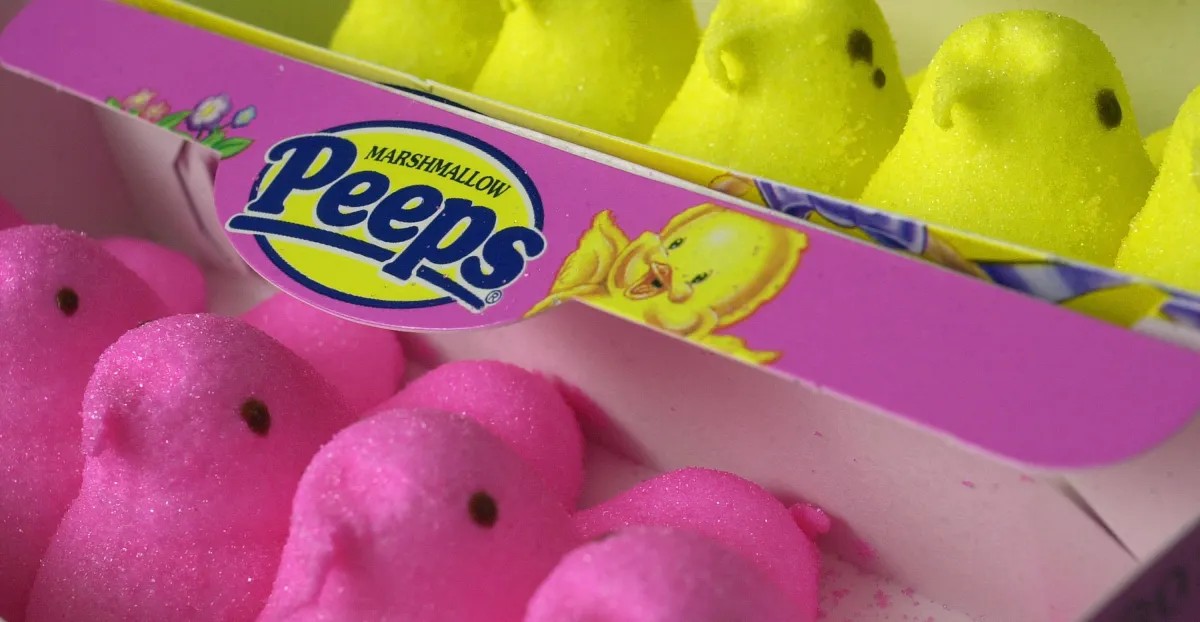
Peeps are an Easter staple for many Americans, but the candy’s origins and cultural impact are more complex than their simple sugar-coated form suggests. From their humble beginnings as handmade chick-shaped marshmallows to their current status as a year-round confectionary phenomenon, Peeps have carved a unique place in American sweets culture – one that is both beloved and bitterly debated.
From Manual Labor to Mass Production
The story begins with Just Born, a Bethlehem, Pennsylvania-based candy company founded in 1910 by Russian immigrant Sam Born. Born revolutionized confectionery with innovations like automated chocolate sprinkles and lollipop-sticking machines. In 1953, Just Born acquired the Rodda Candy Company, which produced handmade chick-shaped marshmallows. Bob Born, Sam’s son, mechanized the process, reducing production time from 27 hours to just six minutes per batch. The streamlined method, including removing decorative wings, laid the foundation for Peeps as we know them today.
Beyond Easter: A Year-Round Phenomenon
Initially limited to Easter, Peeps have expanded into a year-round product with various colors, flavors (cotton candy, gingerbread, and even chocolate-covered options), and shapes – bunnies, hearts, pumpkins, and licensed characters like Minions. Despite the variety, the original yellow chicks remain the most popular, with over 1.5 billion consumed each Easter according to WalletHub.
However, Peeps are remarkably divisive. While some adore them, others express strong dislike, evidenced by articles like a 2012 Guardian piece declaring them “disgusting” and dedicated anti-Peep Facebook groups. One writer vividly described eating a Peep as “lovingly dusted atop a mouthful of your gramma’s cellulite.”
More Than Just Food: Experiments and Culture
Peeps transcend mere consumption. Purists enjoy them fresh from the package, while others prefer them stale and crunchy. They pair with wine or beer, inspire bizarre recipes (like “Peepza” – Peeps on pizza), and feature in viral experiments such as microwaving them to extreme expansion.
The Peep’s cultural footprint extends to science, art, and competition. Emory University researchers tested their resilience against everything from tap water to lethal solvents, finding that only phenol could dissolve them. The Washington Post once hosted an annual “Peep Show” diorama contest, showcasing creative scenes built entirely from Peeps. The St. Paul Pioneer Press originated the contest in 2004, and even a Peeps-eating championship exists, with contestants consuming over 200 in five minutes for prize money.
Labor Disputes and Legal Battles
Behind the sugary facade, Just Born has faced labor disputes over its multiemployer pension plan. In 2016, the company attempted to exclude new employees from the pension, opting for 401(k)s instead while avoiding a $60 million federal fee. Union workers struck, adopting the chant “No justice, no Peeps!” The legal battle continues, potentially impacting millions of American workers in multiemployer pension programs.
Despite these challenges, Peeps persist as a cultural icon. Their appearance in the controversial Roseanne revival premiere – with the main character consuming them for breakfast – underscores their strange and enduring appeal.
Peeps are a unique example of how a simple candy can become deeply embedded in American culture, sparking both joy and strong opinions. Whether enjoyed, despised, or experimented with, their sticky legacy continues to evolve.