




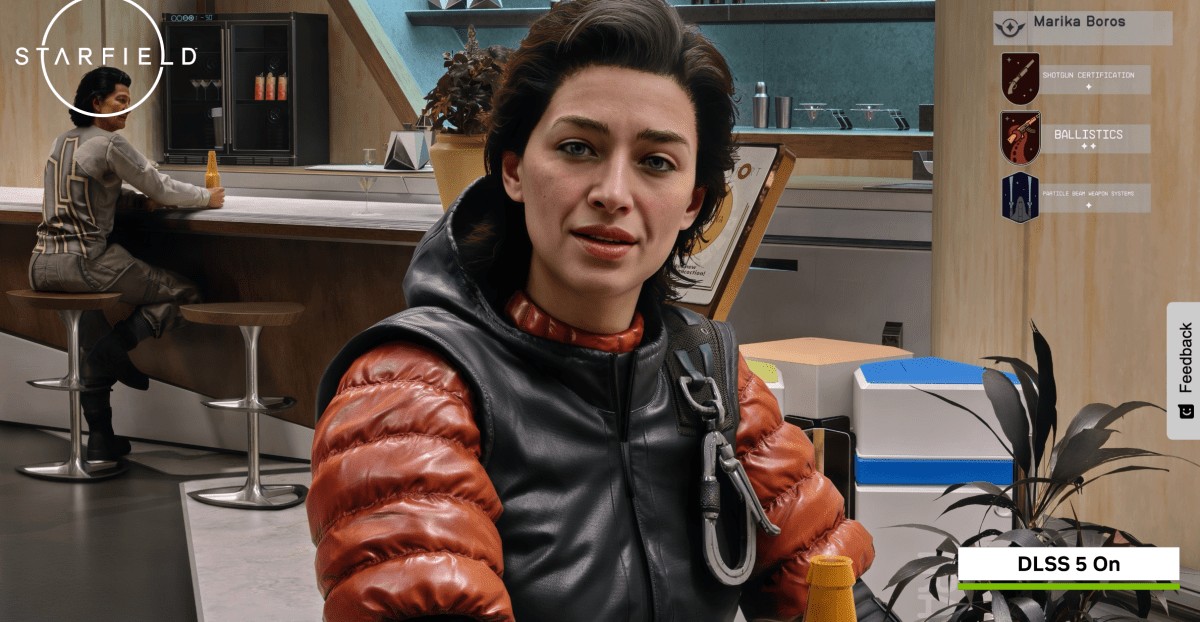
Nvidia recently unveiled its next-generation upscaling technology, DLSS 5, touting it as a leap forward in computer graphics. However, early demonstrations reveal a disturbing trend: the technology renders faces with a homogenized, AI-generated aesthetic, stripping away the unique details that make characters recognizable. This isn’t simply about technical glitches; it’s about the growing influence of AI on visual culture, and how it’s reshaping the look of entertainment.
The Problem with “Photorealism”
The core issue isn’t the performance improvements DLSS 5 promises, but rather the look it delivers. Nvidia claims the tech “infuses pixels with photoreal lighting and materials,” but in practice, it creates faces that resemble generic AI art. Characters like Grace from Resident Evil Requiem and even real people such as Liverpool’s Virgil van Dijk have been distorted into unnervingly similar molds.
This aesthetic is becoming increasingly prevalent: unnaturally smooth skin, uniform features, perpetually cheerful expressions, and HDR-style lighting that highlights every contour. While individually these traits aren’t unusual, their combined effect creates a sense of artificiality that many find unsettling. It’s akin to the over-smoothed motion smoothing on televisions, but with the added effect of changing people’s faces.
Industry Response and Concerns
Major developers are already onboard. Todd Howard of Bethesda praised DLSS 5, claiming it allows “artistic style and detail to shine through,” while Jun Takeuchi of Capcom heralded it as a step toward greater visual immersion. Yet, the backlash has been swift. Indie developers and gamers alike have mocked the distorted faces, raising concerns about the potential for AI to replace artistic integrity.
The timing is particularly sensitive given the recent wave of layoffs and studio closures in the gaming industry. The prospect of replacing human artists with AI-generated assets is seen as a threat by many. Moreover, the technology exacerbates existing issues around representation, potentially reinforcing unrealistic beauty standards in character design.
The Future of AI in Games
DLSS 5 is still months away from release and Nvidia insists the early demos are unrepresentative. Bethesda has stated that art teams will continue to refine the visual effects. However, the underlying issue remains: AI is creeping into every corner of entertainment, and its aesthetic is becoming increasingly dominant.
What we’re seeing now is a preview of what could become commonplace if adoption becomes widespread. Just like motion smoothing, the option to turn it off might become necessary for anyone who prefers a natural, un-AI-filtered look in their games.
The trend points towards a future where AI-generated faces are so ubiquitous that they blur the line between reality and simulation. Whether this is progress or a step backward remains to be seen.