




Google is integrating its Gemini AI across Gmail, fundamentally altering how users interact with their inboxes. The rollout includes an “AI Inbox” designed to prioritize essential content, alongside enhanced AI-powered tools for drafting, summarizing, and refining emails. This move is part of a broader industry trend where tech giants—including Microsoft and OpenAI—are embedding AI deeply into core products. While some features are free, others are reserved for paid Google One subscribers.
The New AI-Powered Experience
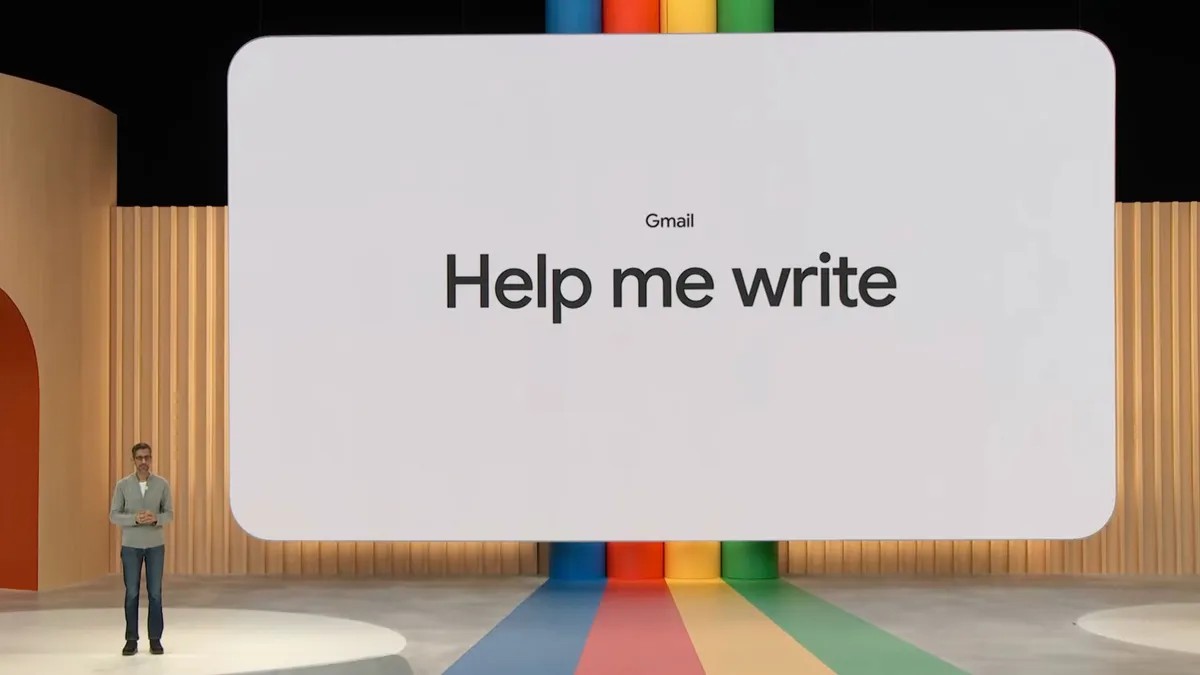
The changes aren’t merely cosmetic; they represent a shift in how Gmail operates. AI Overviews will summarize email threads, eliminating the need to read every message. Help Me Write allows users to generate entire emails from simple prompts. The biggest addition is the AI Inbox, which separates messages into “Priorities” (urgent items, deadlines) and “Catch Me Up” (reservations, orders). This system aims to streamline communication by surfacing only the most relevant information.
Paid Features Unlock Further Capabilities
Google One subscribers will gain access to more powerful AI tools. AI Overviews for Gmail Search lets users find information using natural language, digging through years of conversations and records. Proofread offers one-click corrections for grammar, conciseness, and style. These features will initially launch in the US for English speakers, with wider availability planned.
The Trade-Off: Disabling AI Features
Users who prefer a traditional inbox can disable the new AI features, but at a cost. Turning off “Smart Features” eliminates inbox categorization (Social, Promotions, Updates) and disables automatic event syncing from Gmail to Google Calendar. While disabling AI is possible, it requires sacrificing usability improvements many have grown accustomed to.
Why This Matters
This transition reflects the ongoing evolution of email from a simple messaging system to an AI-driven productivity hub. The trend toward AI integration is accelerating, driven by competition among tech giants and the desire to improve user efficiency. Users must now adapt to these changes or risk falling behind in an increasingly automated digital landscape.
The rollout of Gemini AI in Gmail is not just an update; it’s a sign of how AI is reshaping everyday tools, forcing users to reconsider their relationship with technology.