




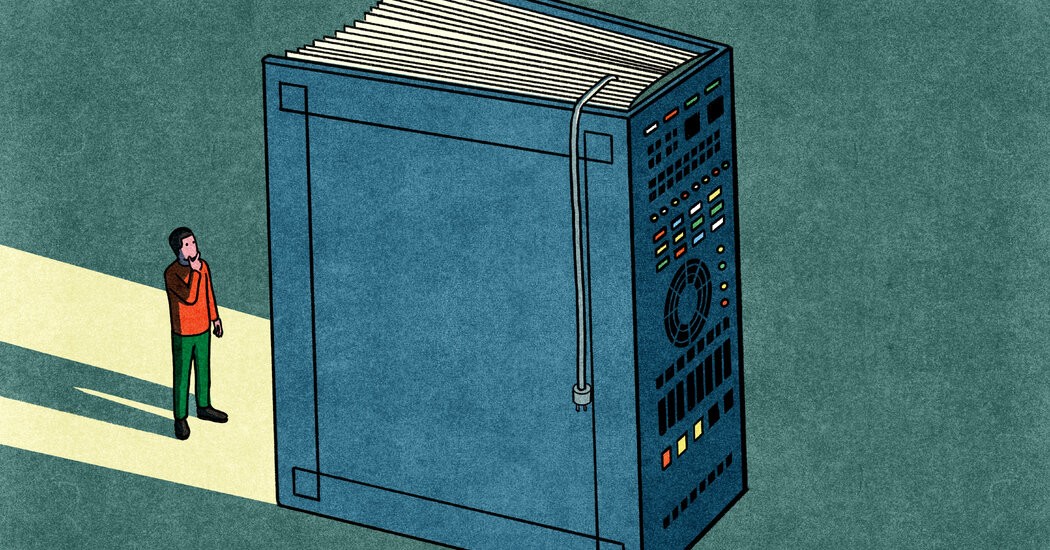
The publishing industry is currently grappling with a new kind of anxiety: the fear that artificial intelligence is blurring the lines between human creativity and machine generation. This tension reached a breaking point recently following the high-profile cancellation of a novel, sparking a wave of paranoia among debut authors who fear their legitimate work may be flagged as “robotic” by unreliable software.
The Catalyst: The Cancellation of Shy Girl
The controversy ignited when Hachette, a major global publisher, made the drastic decision to cancel the U.S. release of the horror novel Shy Girl by Mia Ballard. The decision was driven by evidence suggesting the book had been partially produced using AI.
This move wasn’t limited to the American market; Hachette also pulled the title in the United Kingdom, where the book had already been released following its initial self-publishing success. This incident has sent shockwaves through the literary community, serving as a warning that even after securing a deal, an author’s work can be dismantled if its origins are questioned.
The “False Positive” Trap
For emerging authors, the fallout from the Shy Girl incident is not just about ethics—it is about survival. The industry is seeing a rise in AI detection tools, but these tools are notoriously prone to error.
Take the case of Antonio Bricio, an engineering consultant and aspiring science fiction novelist. Despite being a fluent English speaker who only uses AI tools like DeepL for minor translation assistance, Bricio faced a terrifying reality check. When he ran a chapter of his original manuscript through Originality.ai, the detector returned a 100% confidence score that the text was AI-generated.
This highlights a critical systemic flaw:
– Inaccuracy: AI detectors often flag human-written prose as machine-generated, particularly if the writing is highly structured or formal.
– Risk Aversion: Publishers, wary of the PR backlash and legal complexities surrounding AI-generated content, may become increasingly hesitant to take risks on unknown, debut authors.
– The Burden of Proof: The responsibility of proving “humanity” is increasingly falling on the authors themselves, creating an extra layer of stress in an already difficult career path.
Why This Matters for the Future of Literature
The “Shy Girl” incident represents more than just a single book cancellation; it marks a turning point in how we define authorship. As AI becomes more sophisticated, the industry is caught in a defensive crouch.
The central tension lies in a paradox: while publishers want to embrace the efficiency of new technology, they are simultaneously terrified of the legal and creative implications of losing the “human touch.” This creates a climate of guilt by association, where any author using digital tools for research, translation, or editing may find themselves under suspicion.
The rise of AI detection is creating a “chilling effect,” where the fear of being falsely accused of using AI might discourage authors from using legitimate digital aids, potentially stifling the very innovation the industry seeks to manage.
Conclusion
The cancellation of Shy Girl has exposed a deep fracture in the publishing ecosystem, where the tools meant to protect human creativity may end up penalizing it. As AI detectors struggle with accuracy, the industry faces a difficult question: how to distinguish between machine-made content and human-assisted writing without silencing legitimate voices.