




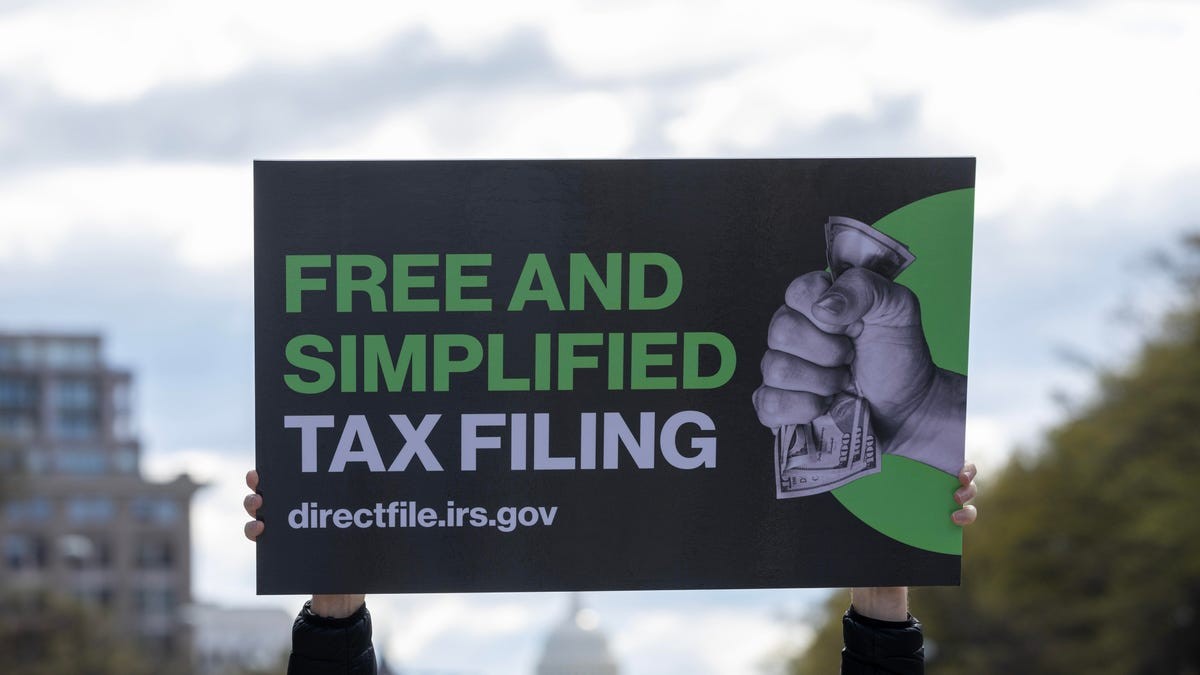
The Internal Revenue Service (IRS) has officially discontinued its Direct File program – the free, government-run tax filing software – at least for the 2026 tax season. The decision, communicated in a letter to the 25 states participating in the program, effectively ends the service with no immediate plans for reinstatement.
Program’s Recent Growth and User Satisfaction
Direct File was launched in 2024 and quickly gained traction, processing 296,531 returns during the 2025 filing season – more than double the previous year’s volume. User feedback was overwhelmingly positive, with 94% rating their experience as “excellent” or “above average.” The New Jersey Office of Innovation estimates that users in their state alone saved $1.3 million in filing fees, averaging around $153 per filer.
Why This Matters: Tax Software Industry Pressure
The suspension of Direct File raises questions about the influence of the commercial tax software industry. Senator Ron Wyden (D-OR) sharply criticized the move, accusing the Trump administration of prioritizing corporate profits over taxpayer savings. While the IRS has not commented on the specifics, the timing aligns with ongoing debates about the rising costs of commercial tax filing services, which can significantly reduce taxpayers’ refunds.
Limitations and Alternatives
Direct File was designed for simple tax situations: those claiming the standard deduction without complex income sources (like business earnings or certain 1099 forms). Despite these limitations, it provided a valuable service for millions. The IRS will continue to offer other free filing options through partnerships with private companies, but these are often less accessible or come with restrictions.
The suspension of Direct File underscores a growing tension between government services and private interests. The move may force taxpayers back into the arms of costly commercial software, while eliminating a proven, user-friendly option that saved both time and money.