




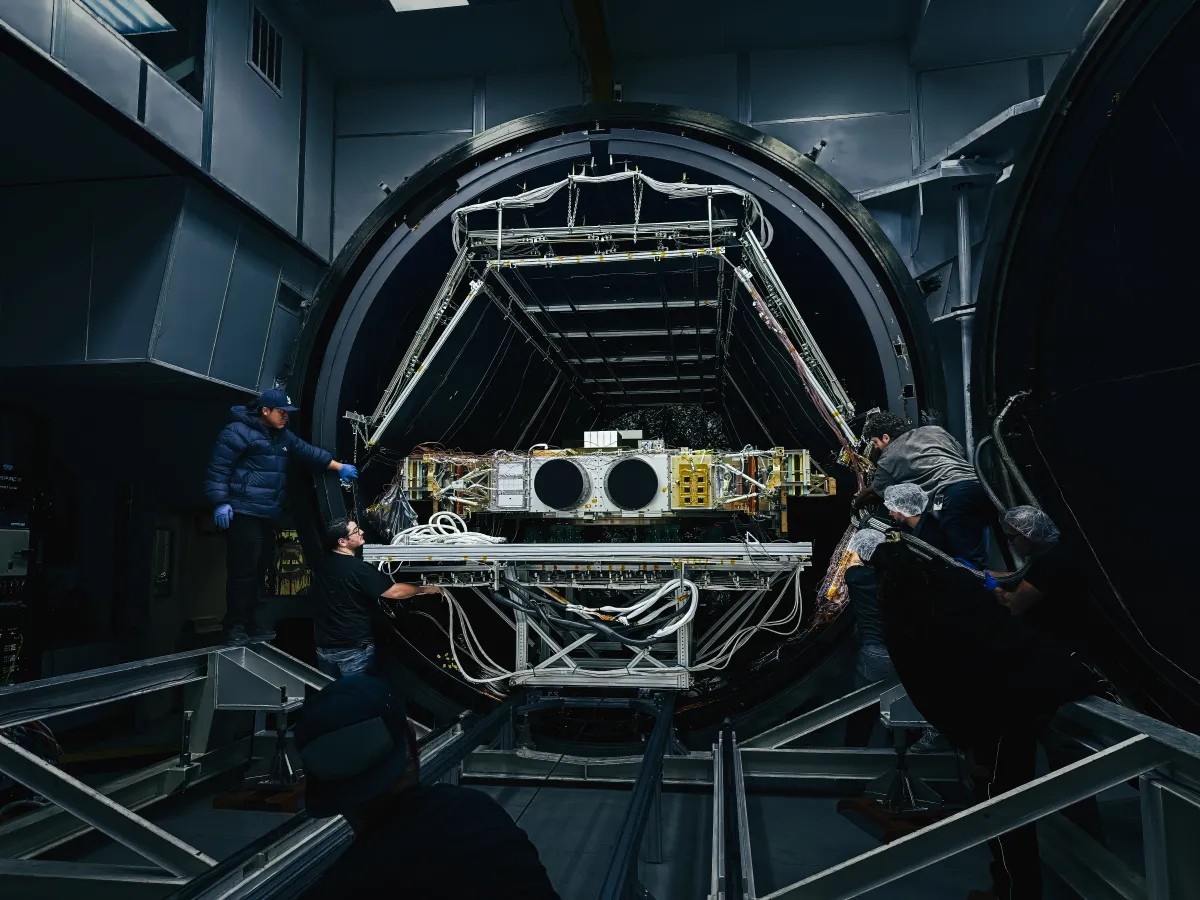
A new aerospace firm, K2 Space, is preparing to launch its first high-capacity satellite, Gravitas, in the coming weeks. This mission represents a significant step toward realizing the future of space-based data centers and advanced orbital computing. The launch will demonstrate critical technologies needed for building powerful computing infrastructure in space, a sector rapidly gaining traction among governments and private companies.
The Gravitas Mission: Powering the Next Generation of Satellites
Founded in 2022 by former SpaceX engineers, K2 Space has engineered Gravitas to produce an impressive 20 kW of electricity —a substantial increase compared to the handful of kilowatts generated by most current spacecraft. This satellite, weighing two metric tons with a 40-meter wingspan when deployed, will test several key functions. First, the team will verify successful power generation and payload deployment. Second, they will evaluate a 20 kW electric thruster, which K2 claims will be the most powerful ever tested in orbit. Finally, the satellite will attempt to raise itself to a higher orbit using that thruster.
Why High-Power Satellites Matter Now
The demand for more power in space isn’t theoretical; it’s driven by real-world needs. Hyperscale cloud providers are evaluating orbital compute, while military applications, such as the Pentagon’s $185 billion missile defense system, require powerful, reliable satellite networks. More power translates directly to higher throughput for communications, making signals less susceptible to interference. The ability to operate advanced processors in orbit—critical for real-time data processing—also depends on robust power generation.
Balancing Cost and Capability
K2 Space recognizes the challenge of high launch costs. Current Falcon 9 launch rates for a vehicle of Gravitas’ size are approximately $7.2 million. The satellite itself is priced at $15 million, positioning it as a more affordable and capable alternative to traditional high-powered spacecraft. K2 is also preparing for the arrival of larger, cheaper rockets like SpaceX’s Starship and Blue Origin’s New Glenn, which could dramatically reduce launch expenses. The company has designs ready for a 100 kW satellite and has prepped its factory floor for production when low-cost launch options become widely available.
The Bigger Picture: A Rapidly Evolving Space Economy
K2’s strategy is to be prepared for a future where larger, more powerful satellites are not just feasible but necessary. The company aims to launch 11 additional satellites by 2028, scaling production to meet the growing demand for high-powered space infrastructure. The success of Gravitas will demonstrate the viability of this approach, paving the way for a new era of in-orbit computing and commercial satellite networks.
Ultimately, K2 Space’s mission underscores a fundamental shift in the space economy: the race to deliver more power to orbit is on, and the winners will shape the future of data processing, communications, and national security.