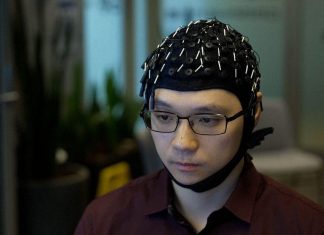




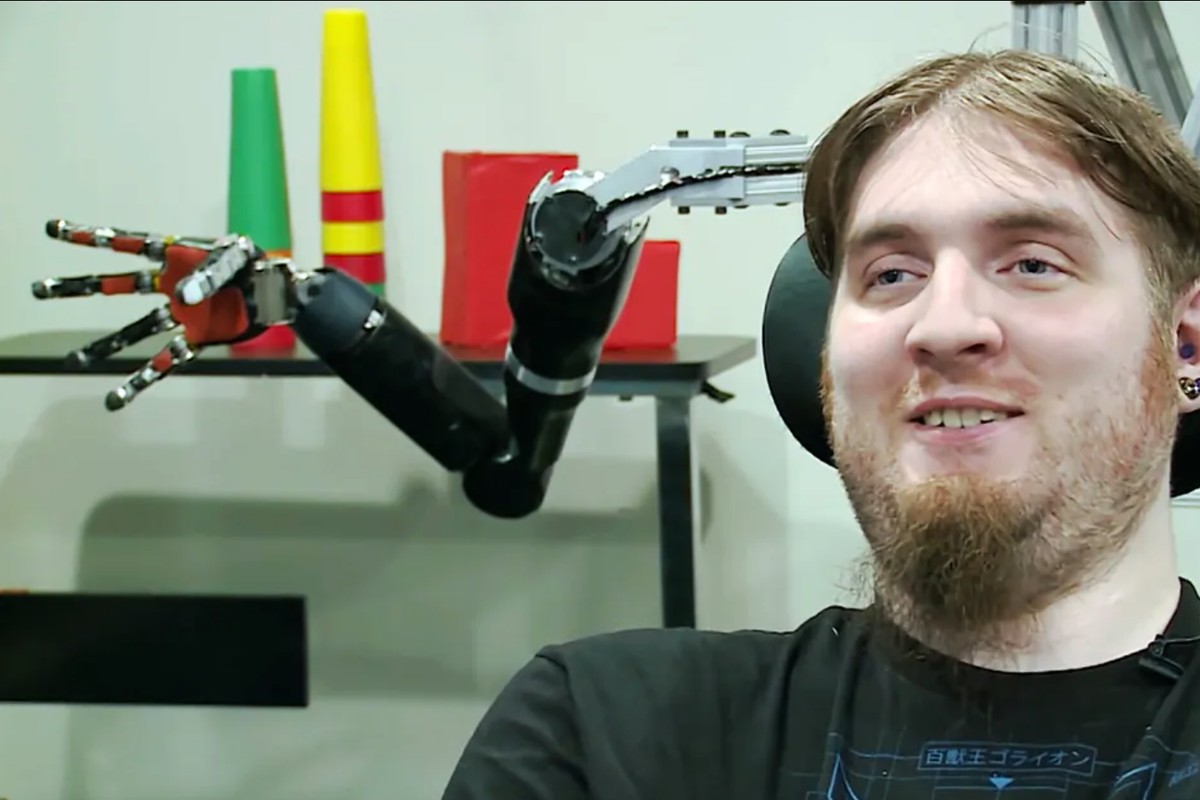
Neuralink, Elon Musk’s neurotechnology company, has achieved a significant milestone: patients with paralysis are now able to control robotic arms using only their thoughts. This breakthrough expands the company’s earlier successes in brain-computer interface (BCI) technology, moving beyond digital control of computers to direct manipulation of physical devices.
First Demonstrations of Thought-Controlled Movement
A video posted on X (formerly Twitter) showcases Rocky Stoutenburgh, paralyzed from the neck down since 2006, guiding a robotic arm to his mouth simply by thinking. Stoutenburgh previously relied on assistive technologies like mouth-operated controllers for tasks such as gaming, but Neuralink’s implant bypasses those limitations. Another participant, Nick Wray, who has amyotrophic lateral sclerosis (ALS), also demonstrated the technology by using a robotic arm to pick up and drink from a cup.
Expanding Capabilities and Future Applications
Neuralink stated that these trials represent an extension of their BCI’s capabilities, allowing participants to interact with the physical world in new ways. The company plans to broaden the range of controllable devices over time, suggesting potential applications beyond robotic arms.
Growing Interest and Long-Term Vision
Demand for Neuralink’s technology is high, with over 10,000 people registered for clinical trials. Currently, participation is limited to individuals with paralysis due to spinal cord injuries or motor neurone disease. However, Musk has stated his intention to make the technology available to people without disabilities in the future.
Musk’s long-term vision extends far beyond assistive technology. He envisions future Neuralink devices capable of streaming music directly into the brain, facilitating thought-to-thought communication, and even enabling a form of “symbiosis” with artificial intelligence.
The Promise of Digital Immortality
In more speculative scenarios, Musk suggests Neuralink could eventually allow users to upload and store their memories, potentially enabling a form of digital immortality through transfer into robotic bodies or cloned versions of themselves. While highly futuristic, this direction underscores the company’s ambition to reshape the boundaries between biology and technology.
This advancement marks a pivotal moment in BCI development, shifting focus from theoretical applications to tangible real-world use cases. The ability to control external devices with thought offers unprecedented independence for paralyzed individuals, while Musk’s broader vision raises profound questions about the future of human-machine integration.