


In the modern era of warfare, the front lines are no longer limited to physical territory; they have expanded into the digital realm of social media feeds and viral memes. Analysts are reporting a sophisticated new propaganda campaign led by pro-Tehran groups, utilizing Artificial Intelligence (AI) to target American political figures and influence public perception regarding the ongoing conflict between Iran and the West.
A Sophisticated Strategy of “Cultural Warfare”
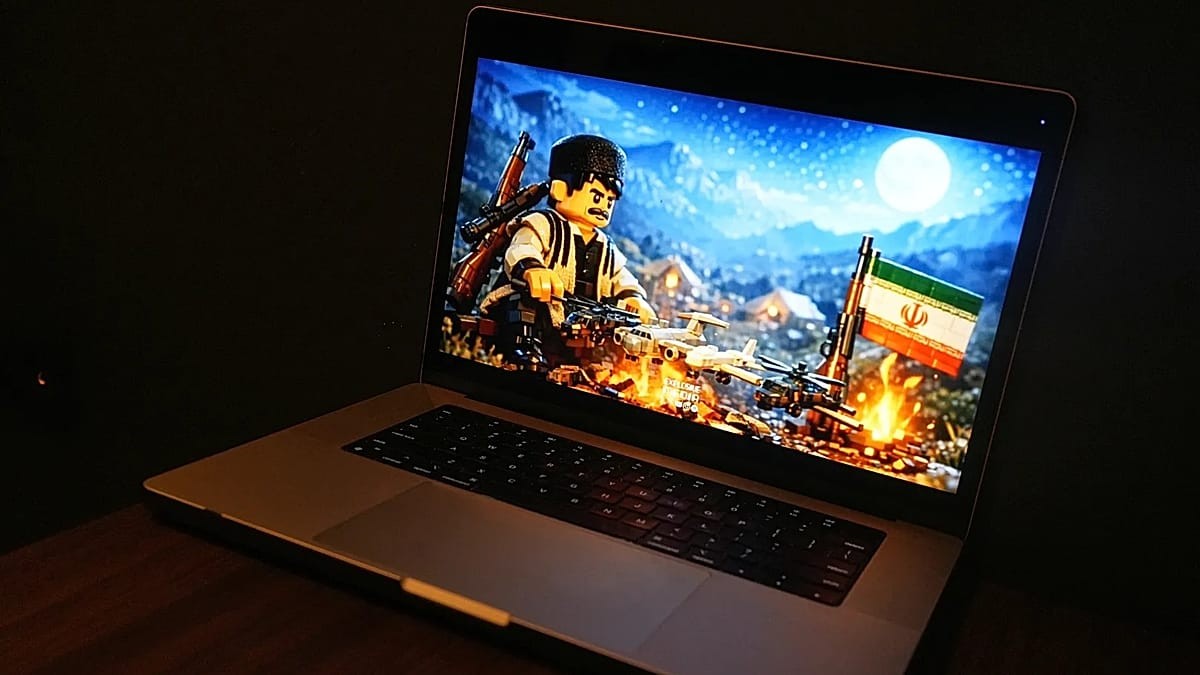
Unlike traditional propaganda, which often relies on blunt messaging, these new AI-driven campaigns are highly tailored to Western audiences. By utilizing popular culture—such as the visual style of The Lego Movie —and referencing specific American political controversies, these groups are attempting to bypass traditional media filters and strike directly at the American psyche.
Key characteristics of this campaign include:
– Targeting Political Figures: Memes have specifically targeted Donald Trump, using AI to depict him as isolated or out of touch, often referencing niche domestic political issues to gain traction.
– Cultural Mimicry: Rather than using generic imagery, the creators use “pop culture” as a weapon, adopting styles that feel familiar to Western internet users.
– High Production Value: The use of high-quality animations and synchronized audio suggests a level of technical sophistication and resource allocation that points toward state-sponsored or state-aligned involvement.
“They’re using popular culture against the number one pop culture country, the United States,” notes propaganda scholar Nancy Snow.
The “AI Slop” and the Rise of Digital Disruption
The emergence of these memes follows a trend of “AI slop”—a term used to describe the deluge of imperfect or low-quality AI imagery—but these recent productions appear much more deliberate. Groups like Akhbar Enfejari (“Explosive News”) claim to be disrupting decades of Western media dominance.
While it is difficult to quantify exactly how much these memes influence public opinion, their reach is undeniable, racking up millions of views. The goal, according to AI researcher Neil Lavie-Driver, is not necessarily to change minds overnight, but to sow enough discontent within Western populations to force political concessions.
State Alignment and the Internet Paradox
A significant point of contention for analysts is the origin of these posts. Despite heavy internet restrictions within Iran used to suppress domestic protests, these high-bandwidth, sophisticated video campaigns are being successfully uploaded and distributed.
This leads to two primary conclusions among experts:
1. State Cooperation: The technical ability to produce and broadcast such content suggests that these groups are either officially or unofficially operating in coordination with the Iranian government.
2. Institutional Knowledge: This is not a sudden phenomenon; it is the evolution of decades-old Iranian propaganda programs that have deeply studied American politics and social nuances.
Divergent Tactics: The US and Israel Response
While Iran is leveraging “bottom-up” viral content to influence the West, the responses from the US and Israel have followed different patterns:
- Israel: Has utilized AI for direct messaging, such as Prime Minister Benjamin Netanyahu using AI to “speak” Farsi to urge Iranians to revolt.
- The United States: Primarily focuses on domestic messaging, using familiar American media clips to reach a US-based audience, while traditional outlets like Voice of America continue to broadcast in Farsi to reach the Iranian public.
Conclusion
The shift toward AI-generated, culturally nuanced propaganda marks a significant evolution in psychological warfare. As digital tools become more accessible, the ability of state actors to exploit social fractures and cultural symbols through viral content will likely become a central component of international conflict.