


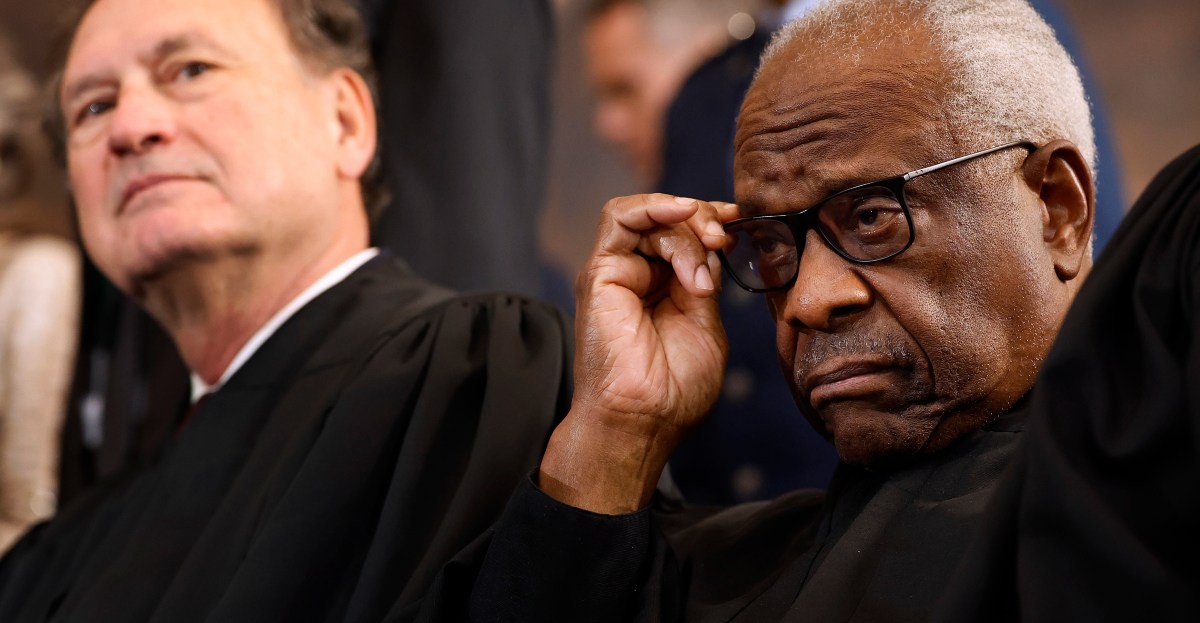
The US Supreme Court is undergoing a significant transformation, increasingly focusing on divisive cultural and political issues at a rate unseen in recent history. This change isn’t accidental; it’s driven by a confluence of factors, including the justices’ own ideological leanings, strategic litigation by conservative groups, and the need to clarify increasingly complex legal precedents established by the current majority.
From Technocratic Body to Cultural Arena
For decades, the Supreme Court largely operated as a fairly technocratic institution, handling complex legal questions with a degree of detachment from the most heated cultural debates. Landmark cases like Brown v. Board of Education and Roe v. Wade existed, but they were exceptions rather than the rule. Today, however, that dynamic has shifted dramatically.
In its upcoming 2024-25 term alone, the Court is poised to rule on cases with far-reaching cultural implications: potentially gutting the remaining protections of the Voting Rights Act, legitimizing “conversion therapy” nationwide, and allowing states to ban transgender athletes from school sports. The Court is also set to revisit executive power, gun rights, citizenship, and even the legality of former President Trump’s tariffs.
Numbers Don’t Lie: A Surge in Cultural Cases
The shift is quantifiable. During the Obama administration, the Court heard approximately 1.5 cases per term that directly touched on hot-button issues like religion, guns, LGBTQ rights, and abortion. In contrast, since 2021, with a 6-3 conservative majority in place, that number has more than doubled to 3.6 cases per term.
The Court’s overall caseload has declined since the 1980s, meaning that these culturally charged cases now make up a disproportionately larger share of the Court’s work. In its 2024-25 term, the Court will decide just 62 cases with full briefing and oral arguments, yet a significant portion of those will address highly polarized topics.
Why This Matters: Strategic Litigation and Ideological Alignment
Several factors explain this trend. First, conservative lawyers and advocacy groups are strategically bringing lawsuits designed to reshape the legal landscape in line with their agenda. Second, the Court’s right-leaning majority is more inclined to hear these cases and rule in ways that advance their policy goals. Third, the Court’s recent decisions have created new legal ambiguities that require clarification, often through additional culturally charged cases.
The Court is effectively dismantling decades of progressive legal precedent, from abolishing abortion rights to banning affirmative action and expanding its own power over the executive branch. This isn’t just about legal doctrine; it’s about reshaping American society in a way that reflects the values of the conservative movement.
The Role of Clarity and Judicial Craftsmanship
The Court’s obsession with culture wars also stems from its own shortcomings. The current justices are less adept at crafting clear and consistent legal rules, leading to confusion among lower courts and the need for constant clarification. The Bruen decision on Second Amendment rights is a prime example: its ambiguity has prompted widespread criticism from judges across the political spectrum.
This cycle of unclear rulings and subsequent litigation further entrenches the Court in cultural battles, as it’s forced to revisit and refine its own controversial decisions.
Conclusion
The Supreme Court’s growing focus on cultural politics is a deliberate and accelerating trend. Driven by ideological alignment, strategic litigation, and the Court’s own internal dynamics, this shift will continue to reshape American law and society for years to come. The Court is no longer a neutral arbiter but an active participant in the nation’s most divisive cultural conflicts.


