


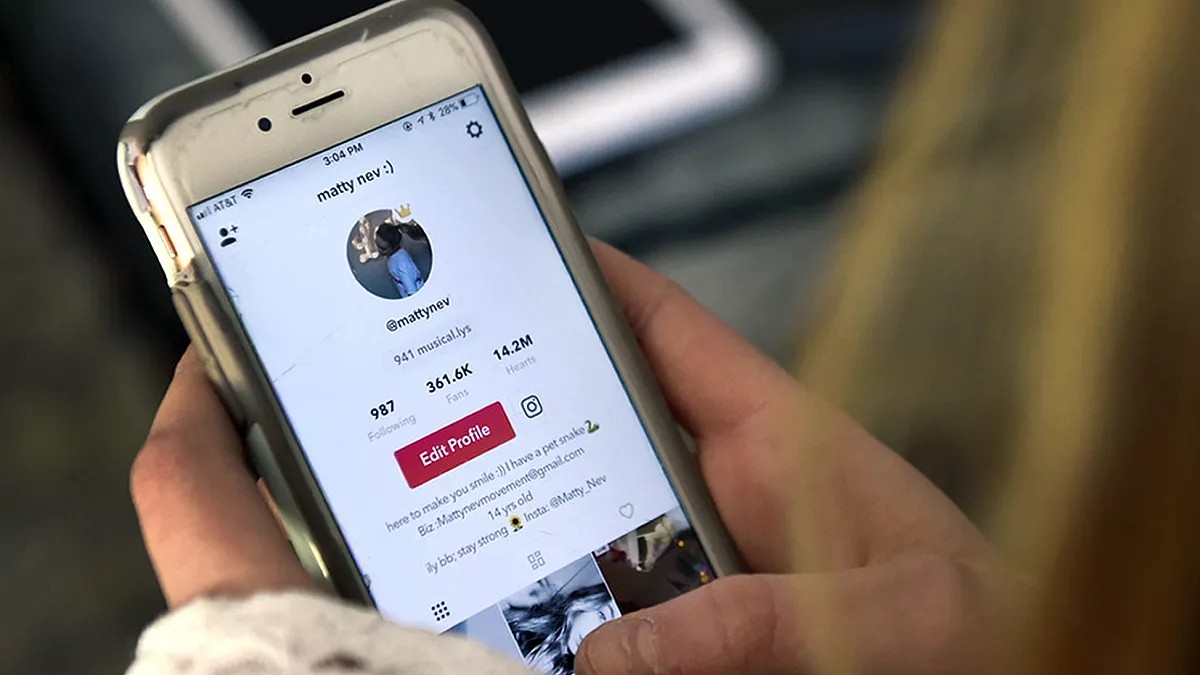
Portugal’s parliament has passed a landmark bill significantly restricting social media access for individuals under the age of 16, joining a growing trend across Europe and beyond. The new law requires parental or legal guardian consent for anyone aged 13 to 16 to use platforms like Instagram, Facebook, and TikTok. Children under 13 will be completely barred from accessing these services.
The Core of the New Regulations
The legislation aims to protect minors from harmful content, including violence, sexual material, addictive gaming, and manipulated media. Platforms will be obligated to verify users’ ages—either through Portugal’s Digital Mobile Key system or another reliable identification method—to enforce compliance. Creating new accounts for children under 13 will be impossible, and those aged 13-16 must provide verifiable parental consent.
This move comes as several European nations grapple with the escalating concerns about social media’s impact on youth mental health and development.
A Wider European Trend
Portugal is not alone in this shift. Australia already enacted similar legislation, mandating age verification for under-16s. France recently approved a bill to limit access for those under 15, while Denmark has reached a political agreement to ban access for children under 15 by mid-2026. Italy and Spain are also actively debating similar measures. Other countries, including Slovenia, Greece, and Germany, are preparing legislation to restrict access for minors.
The rationale behind these laws is simple: the current self-regulation model of social media companies has proven insufficient in shielding children from potentially damaging content and predatory behaviors.
Concerns and Opposition
The bill faced criticism during parliamentary debate, with opposition MPs raising concerns about privacy, data collection, and the potential for circumventing restrictions using VPNs. One MP even labeled the legislation an “attack on freedoms,” accusing the ruling socialist party of authoritarian tendencies.
However, proponents argue that the benefits of protecting minors outweigh these concerns. The National Communications Authority (Anacom) and the National Data Protection Commission (CNPD) will oversee enforcement.
Why This Matters
This wave of legislation reflects a growing recognition among policymakers that unchecked social media access poses genuine risks to young people. The debate now centers on how effectively these rules can be enforced, given the technological tools available to bypass them. The question remains whether governments can stay ahead of evolving circumvention tactics while respecting fundamental digital rights.
The trend signals a fundamental shift in how societies view the responsibility of tech platforms toward their youngest users. Portugal’s action, along with similar movements across Europe, suggests that the era of unregulated access for children on social media is coming to an end.


