

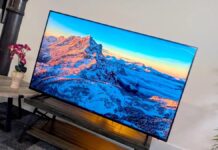

Roku has expanded its TV lineup with the Pro Series, representing the company’s most ambitious foray into higher-end displays. While still built by third-party manufacturers, the Pro distinguishes itself through usability and a notably improved picture quality, particularly in standard dynamic range content. However, its strengths are balanced by some color inaccuracies in HDR and a surprisingly fragile build.
User Experience and Features
The Roku Pro excels in its core competency: simplicity. The interface is intuitive, and the included Roku Voice Remote Pro (rechargeable, backlit, with a remote finder button) is among the best in the industry. The TV’s smart platform integrates seamlessly, offering access to hundreds of streaming apps—though at the cost of increasing ad placements within the interface.
The advantage of a Roku TV over a separate streaming device is clear: the functionality is built-in, eliminating the need for juggling multiple remotes or remotes that get lost.
Picture Quality: A Mixed Bag
Picture quality is generally solid, with natural-looking images and decent contrast in SDR content. The TV uses a mini-LED panel with full-array local dimming (confirmed 720 zones in the 65-inch model) to enhance black levels and detail. However, HDR color accuracy is a weak point. Colors appear hyperreal, akin to watching content in “Vivid” mode even when the TV is set to “Movie.” For users prioritizing realistic color reproduction, this may be a deal-breaker.
Compared against competitors like the Samsung S90F OLED or the Hisense U8QG, the Roku Pro falls short in peak brightness and color accuracy. However, it offers a compelling value proposition if budget is a primary concern.
Build Quality and Practical Concerns
The Roku Pro is surprisingly heavy (62 pounds for the 65-inch model) and requires two people for setup. More critically, the screen is more fragile than typical displays. Reports indicate that even careful packing can result in pressure damage to the LCD edges. Users should avoid touching the screen during setup and handle it with extreme care.
Gaming Performance
The Roku Pro Series supports gaming features like 4K/120Hz, ALLM, VRR, and FreeSync Premium Pro. Input lag is minimal (under 10ms in 4K and 1080p), providing a responsive experience for console and PC gamers.
Value and Alternatives
At its lowest price point, the Roku Pro TV is a decent choice if you want a user-friendly TV with a good picture. If your budget is around $800, it’s worth considering. But if you’re willing to spend a bit more, alternatives like the Samsung S90F OLED or the Hisense U8QG offer superior picture quality and brightness.
The Roku Pro Series is best suited for users who prioritize ease of use and a streamlined smart TV experience over absolute picture perfection. The TV’s biggest weakness is its color inaccuracies in HDR and its fragile build.