


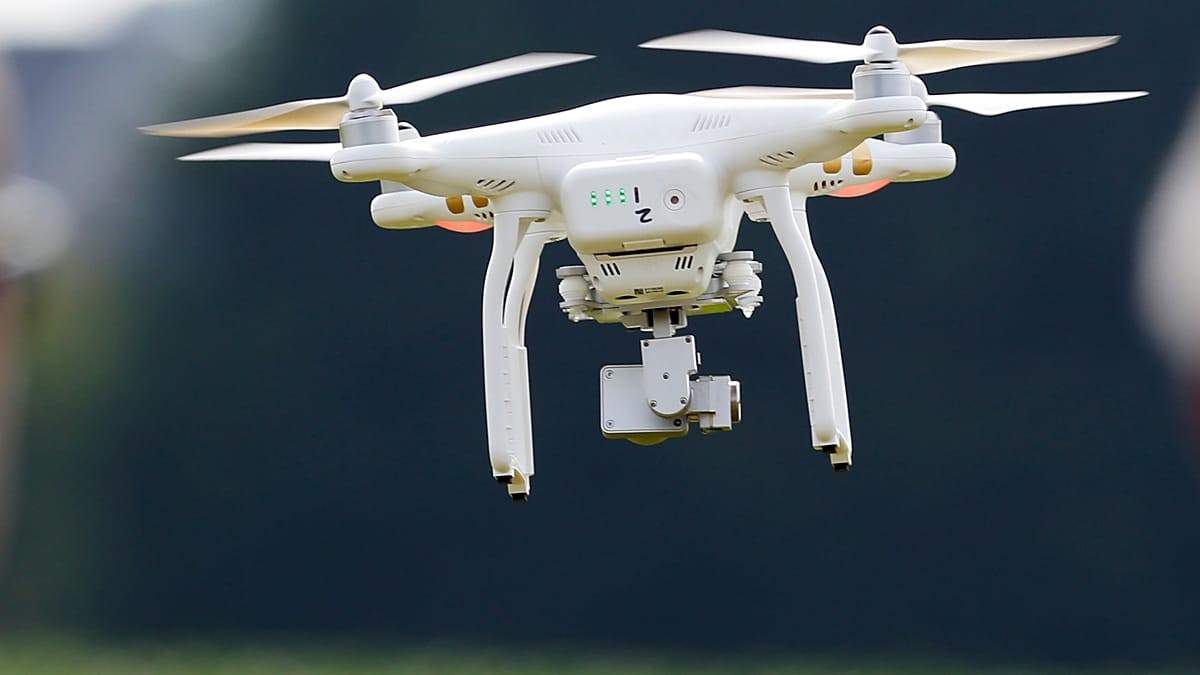
The United States Federal Communications Commission (FCC) has effectively banned new drones manufactured in foreign countries – most notably including those from Chinese industry leader DJI and its competitor Autel – citing unacceptable national security risks. This decision, implemented Monday, stems from a 2023 defense bill that raised alarms about the dominance of Chinese-made drones in the US market.
The Rise of Chinese Drone Dominance
DJI currently controls approximately 80% of the commercial drone market in the US, with Autel trailing far behind. These drones are widely used across critical sectors: agriculture, infrastructure inspection, law enforcement, and even filmmaking. The sheer scale of their adoption makes this ban significant, as it disrupts established workflows and supply chains.
Security Fears and Strategic Timing
The FCC’s justification centers on the potential for espionage and sabotage. A US government review concluded that all foreign-made drones and their components pose risks to national security and the safety of US citizens. The timing of this announcement is also noteworthy: it comes ahead of major events like the 2026 World Cup, the America250 celebrations, and the 2028 Los Angeles Olympics, where drone threats from criminal or hostile actors are a heightened concern.
Industry Reactions: From Disappointment to Opportunity
The decision has triggered mixed reactions. DJI expressed disappointment, stating that concerns about their data security lack evidence and represent protectionist measures. Meanwhile, industry groups like AUVSI (Association for Uncrewed Vehicle Systems International) have welcomed the move, framing it as a necessary step to reduce US dependence on China and bolster domestic drone production.
The Push for Domestic Manufacturing
The ban is intended to incentivize the growth of American drone manufacturers. Companies like Hylio, a US-based drone producer, stand to benefit from the reduced competition. Investors are already pouring funds into scaling up domestic production, particularly for agricultural drones used in fertilizing fields.
The Broader Implications
This decision reflects a growing trend of governments prioritizing national security over open markets in critical technologies. The US is not alone in this approach: similar restrictions on foreign tech are becoming more common as geopolitical tensions rise.
However, some industry professionals acknowledge the short-term pain. Texan drone operator Gene Robinson, who relies on DJI drones for law enforcement training, admitted the policy will hurt his business but recognizes the need for independence from foreign manufacturing.
Ultimately, the ban is a calculated move to reshape the drone industry in favor of domestic production, even if it means short-term disruption and higher costs. The long-term effect will be a reevaluation of supply chains and a renewed focus on securing critical technologies within US borders.


