Heat doesn’t lie. Not really.
Riyadh-based Amplifai Health knows this. They just used it differently. First it was for diabetic feet, now it is for sprinters and swimmers and anyone who trains hard enough to break down.
They call it NUR.
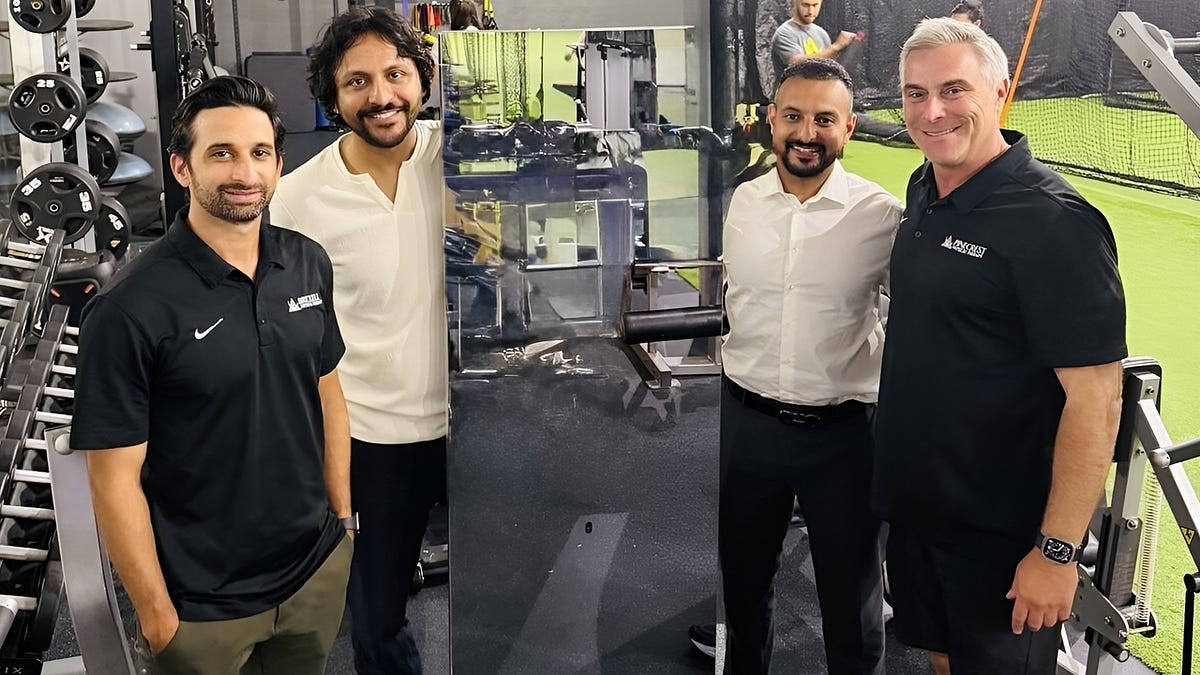
It launched in Miami. You scan yourself in a smart mirror, or use the app on your tablet or phone. The AI looks at your skin temperature patterns. Then it tells you something you can see. Not just “I feel okay.” But data. Visual data about your recovery. Your readiness. Whether you should step back into the ring.
Or onto the pitch.
From Hospitals to Gyms
Here is the pivot.
Amplifai made its name with TFscan. An AI thermal tool for doctors. It got cleared by Saudi regulators. It works. In the Ministry of Health clinics there, it reportedly cut treatment costs by up to 80 percent for diabetic complications. Screening capacity went up 12 times. No extra doctors needed.
Now they are moving the same tech into sports.
This is a different ballgame. Medicine relies on regulations. Strict rules. Clear approvals. Sports? Driven by market forces. Consumer choice. What feels fast. What looks cutting-edge.
Turning surface heat into visual intelligence isn’t just medical monitoring anymore. It is performance optimization.
Early Access
Not everyone can use it yet.
It is a limited rollout. Only selected partners. Clinics. Teams. Universities. You want in? You register interest. Wait your turn.
Pinecrest Physical Therapy is already on board. They run sports rehab across South Florida and the Caribbean. They are helping test the waters.
Investors like it. Wa’ed Ventures. Plug and Play. Techstars. The World Economic Forum even nodded recently. Accepted Amplifai into the MINDS programme. A group that includes Siemens, Lenovo, and Sanofi. Organizations that deploy AI with actual outcomes. Not just buzzwords.
Is heat really the metric? Maybe.
Maybe not.
The mirror waits. The athletes show up. The data scrolls by. We will see what the temperature says about talent. Or maybe just about the sweat.