




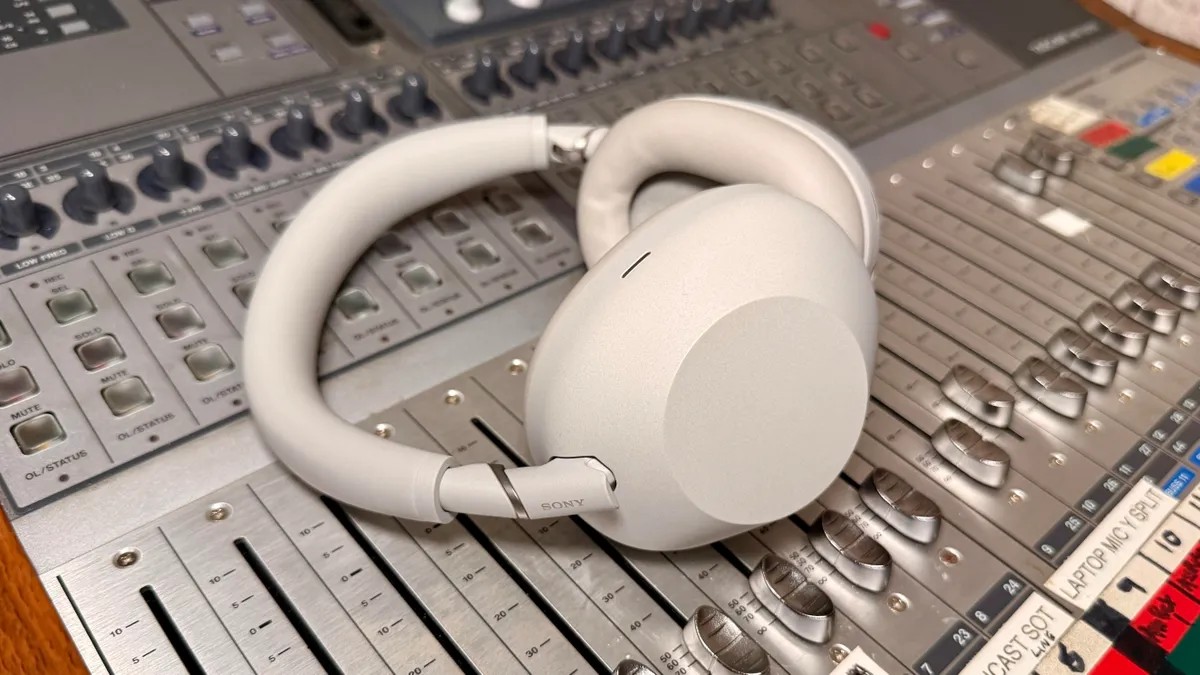
Microsoft is rolling out a new feature in Windows 11 that allows users to simultaneously share audio with two Bluetooth-enabled devices. This means two sets of headphones, speakers, or hearing aids can now receive the same audio stream from a single Windows 11 PC.
How It Works
The feature leverages Bluetooth Low Energy (Bluetooth LE), a power-efficient version of Bluetooth. This allows for extended use without draining device batteries. The update will appear as a new “Shared Audio” tile in Windows Quick Settings, making it easy to connect and manage paired devices.
Once activated, the PC transmits audio to both connected Bluetooth accessories at the same time. Microsoft highlights use cases like watching movies on a plane without disturbing others or sharing music while studying.
Compatibility and Limitations
For the feature to work, both Bluetooth devices must support Bluetooth LE. Most modern, high-quality headphones already do, easing the transition for many users. However, headsets with built-in microphones cannot transmit audio while in shared audio mode, meaning separate microphones will still be needed for calls.
Microsoft’s Broader Bluetooth Push
This update is part of a larger effort by Microsoft to improve its Bluetooth audio capabilities. Recent additions include:
- Super-wideband stereo profiles for gamers, enhancing audio quality through better compression and higher sample rates.
- Spatial audio support in Microsoft Teams, adding immersive sound for work-from-home setups.
Catching Up to Competitors
Bluetooth LE audio sharing has been available on other platforms for some time. Android users gained access earlier this year, while Apple’s iPhones, iPads, and MacOS have had the feature for years. Microsoft’s move brings Windows 11 into alignment with its competitors in this space.
The update is initially rolling out to supported Surface devices, with wider availability planned in the coming weeks.
Ultimately, this feature streamlines audio sharing for Windows 11 users, offering more flexibility and convenience in collaborative listening scenarios.