




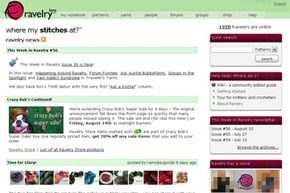
The idea that knitting and crochet are activities reserved for grandmothers in rocking chairs is officially outdated. The internet has shattered that stereotype. Now, yarn artists across the globe use digital platforms to hunt for patterns. They share ideas. They swap tips. They show off finished projects. These creatives gather on social networks like Ravelry.com. It is a hub where they find patterns and yarns. They also make new friends.
What is Ravelry and who runs it?
Ravelry is a free social networking website for people who knit, crochet, and spin yarn. It includes tools to help you plan and track projects. It helps you organize your yarn stash and tools. For interaction with other members, the site offers forums. It has groups. It allows pattern sharing and yarn contributions. With over 400,000 registered users, Ravelry lets you create an advertiser account. You can purchase ad space to promote your own business targeted to yarn artists.
Ravelry was created by husband-and-wife team Casey and Jessica Forbes in April 2007. Jessica had been blogging and knitting for years. She was frustrated searching the internet for the right patterns and yarns. Casey, a computer programmer, joined Jessica. They planned and created their own website. The goal was to bring together yarn artists and their resources. As Ravelry grew in its first two years, the Forbeses recruited employees from among its membership. They handled responsibilities at the site. As of May 2009, the staff of four included Jessica, Casey, Mary-Heather and Sarah.
The Bobmas Tradition
Since Ravelry launched, Casey and Jessica have featured their dog Bob as the site mascot. Bob appears in ads and whimsical graphics throughout the site. You will find him in some promotional goodies too. Ravelry members recognize April 11 as “Bobmas.” It celebrates each anniversary of the Ravelry website.
Using Ravelry effectively
The platform does more than just connect people. It solves a real problem. How do you find a specific stitch pattern without scrolling through endless blog posts? Why does your yarn stash feel disorganized when you can’t find a matching color? Where can you ask for advice on a complex pattern? Ravelry answers these questions. It organizes the chaos.
“I was frustrated searching the Internet for just the right patterns and yarns.” – Jessica Forbes
This frustration birthed a community. It became a utility. Now it is a destination. The site’s structure allows for deep dives into craft. You can filter by yarn weight. You can filter by fiber content. You can filter by color. This precision matters. It saves time. It reduces waste. It prevents disappointment.
The community aspect is just as important. Forums allow for troubleshooting. Groups provide niche support. Pattern sharing expands your repertoire. Yarn contributions help you discover new sources. The network effect is strong. More users mean better data. Better data means better recommendations.
Casey and Jessica built this from the ground up. They understood the user pain points. They coded a solution. They grew it organically. The result is a robust ecosystem. It serves both hobbyists and professionals. The advertiser options add another layer. Businesses can reach a targeted audience. This

The Unraveled blog is open to anyone, no login required. It covers site news and current online sales. The Forbes sisters—Jessica and Casey—run the show. Mary-Heather is there too. Bob the Boston terdog has his own page.
Signing up is easier now. You used to wait months for an invite code. That’s gone. You enter your email. You get a code immediately. Click the link in the email. Account created.
Your profile lets you share details. Pick a favorite curse word if you want. The homepage offers the newsletter. Search for resources. Get help. Link to the store for T-shirts and buttons.
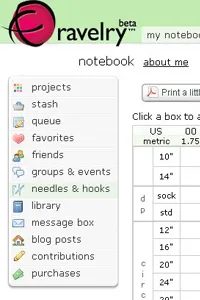
The “My Notebook” tab is your personal corner. Manage friends. Join groups. Read messages. Link external blogs so Ravelry can see your posts.
Use these tools for your yarn art:
- Projects — Add work in progress. Track progress. Link yarns and patterns. Share photos.
- Stash — List current yarns. Search brand, color, and store of origin.
- Queue — List future projects. Bookmark links to add projects while browsing.
- Favorites — Save projects, yarns, patterns, designers, forum posts, and ads.
- Needles & hooks — Check off what you own. Print a small guide for offline use.
- Library — List books, magazines, PDFs, and other pattern sources.
- Purchases — Track spending and contributions through Ravelry.
The Contributions feature lets you share patterns or spun yarn. Other members can search and use anything you post here. Give patterns away for free. Charge for them. You choose.
Search results mix hobbyists, professionals, and dealers. Use Forums and Groups tabs to find members with common interests. Join discussions. If you like someone’s work, add them to your friends list from their profile page.
Special thanks go to Ravelry member Joyce Y. for her help with this article.
How Ravelry Organizes Your Craft Stash
The real power of Ravelry isn’t just the social feed. It’s the database. Specifically, the digital notebook feature lets you catalogue everything. You can log yarn stash, track finished objects, and store patterns. Not every knitter wants to obsess over inventory. Some people just want to make a scarf without logging it into a spreadsheet. But for those who do, this tool is essential for planning future projects.
You can also queue patterns. Mark them as favorites. Keep a running list of what you want to knit next. This centralizes your creative intent.
Ravelry works because it has a defined audience. The niche is clear. Knitting. Crochet. Spinning. Members know what to expect. There is no confusion about the platform’s purpose. This clarity benefits pattern authors too. Yarn dealers have access to a captive market. They aren’t shouting into a void. They are speaking to people who already care about the product.
The Advertising Model and Community Control
Sponsors on Ravelry are different from typical web ads. The advertisers are regular members. They pay monthly rates to display their wares. There is an approval process. Ads must be useful and attractive. Generic banners get rejected.
Pricing is straightforward. You can pay $5 per month for simple yarn purchase links. A 225-by-175-pixel featured pattern ad runs $40 for half a month. Advertisers can also sponsor specific groups. Or use charge-per-click links to their own online stores. The barrier to entry is low, but the expectation for quality is high.
This model supports the site’s growth. But growth has been intentional. Slow. Deliberate.
Why Ravelry Grew Slowly (And Why That Matters)
Casey Forbes built Ravelry using Ruby. He used the project to learn the language. His wife Jessica helped manage the expansion. They limited invitations. They capped membership growth each month. Why? They didn’t have the staff or server capacity to handle a sudden influx. They controlled the demand until they could support it.
This stands in stark contrast to venture-backed startups that burn cash to acquire users at any cost. Ravelry grew at the speed of its creators’ bandwidth.
Some see this as a weakness. Others see it as a feature. The site feels maintained by yarn artists for yarn artists. When they hired staff, they pulled from the member base. This keeps the culture intact. It prevents the site from becoming a corporate entity detached from its users.
The Free Pattern Problem
Not everyone is happy with the content. The biggest complaint is the cost of patterns. Joyce Y., who organizes a crochet group in Raleigh, N.C., joined Ravelry looking for free patterns. She didn’t find many.
She and her group members often turn to other sites. Lion Brand Yarn offers free patterns if you just sign in. Crochet Pattern Central aggregates links to free patterns from across the web. No sign-in required.
For users who view patterns as commodities to be acquired for free, Ravelry is frustrating. The site assumes patterns have value. Many users do not agree. They would rather hunt for free alternatives elsewhere. This leaves a gap in Ravelry’s appeal for budget-conscious crafters.
The site exists. It remains popular. But it serves a specific philosophy. You pay for the pattern. You keep the rights to share your finished work. You join a community that understands that value.
If you are looking for a social network that prioritizes curation over volume, this is it. If you want endless free content with zero friction, you might find it lacking. The trade-off is clear. You get structure and community. You lose the ease of finding everything for free.
Where does that leave you? Probably deciding which value you prioritize more.