For a brief moment, the country was normal.
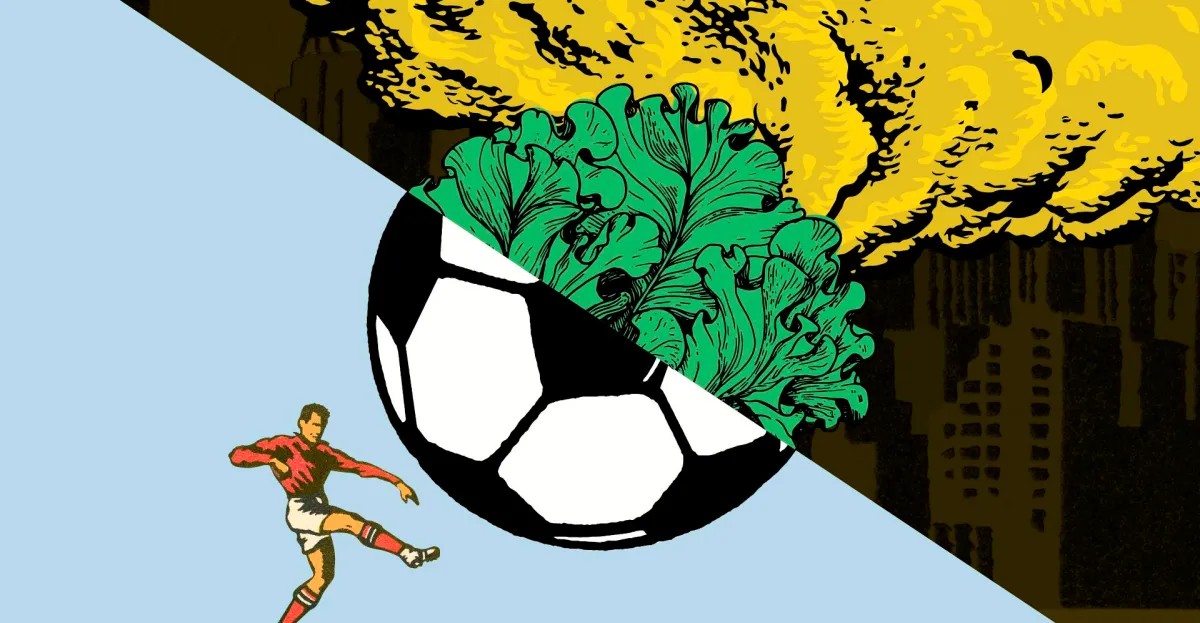
We ate salad without fear of explosive diarrhea. The air didn’t taste like burnt plastic or campfire ash. And honestly? We just liked soccer.
It was a nice break from the usual noise.
Then the whistle blew on the Belgium game. And the hangover hit hard.
The unlikely romance between Americans and the World Cup
At the start, nobody knew what to expect. Would Trump’s immigration policies keep fans away? Would athletes from countries the US government dislikes be banned?
It happened. Some people were denied entry. It was a sour note to start with.
But then something weird occurred.
Foreign fans came. And they loved it.
They were amazed by our quirks. They marveled at the sheer volume of ranch dressing. The endless refills in glasses that could hold a gallon of soda. The air conditioning that actually works. The chicken tenders. The cowboy hats.
“How craggy we enjoy our fried chicken bars!”
They saw the Cheesecake Factory and we saw ourselves in a new light. For a week, we weren’t a polarized nation. We were just a country that served great dairy and had weirdly large portions.
The US team helped sell the vibe too.
We beat Bosnia-Herzegovia 2-0. It felt earned. We had guts. Malik Tillman scored with ten men after Folarin Balogun got a red card. Experts said the call was questionable. It was. But we won anyway.
Many on that squad have immigrant parents. Or military roots. Or they are US citizens by birthright. In a time when those identities are politically weaponized, this team felt united.
We thought we were the underdog.
We rarely are. America wins in basketball. In football. In baseball. But soccer? American men have never been the best at it. It’s one of those rare sports where we don’t dominate.
So when the stars aligned and we had a scrappy, overlooked team? We loved it.
When the host country bends the rules
Then July 4th weekend ended.
And FIFA did something unprecedented.
They reversed Balogun’s red card. Against the rules. For an exception.
He was cleared to play against Belgium.
Why?
At first, it was just bad officiating. Common in soccer. Frustrating, yes. But then came the whispers.
Then the confirmation.
President Donald Trump claimed he called FIFA President Gianni Infantino. Said he pushed for the reversal.
Infantino confirmed the call.
But his response? He takes calls from “important and rich people” all the time.
It sounded cartoonish. Suspicious. Like something out of a parody.
For fans watching the game, the mood shifted instantly.
You aren’t supposed to get help like that. Underdogs don’t call favors. They don’t have their leader influence the refereeing board. It’s not how the game is supposed to work.
It felt rigged.
The reality check hits harder than the loss
The loss to Belgium wasn’t the problem. It was how we felt we got the chance to lose.
It felt like cheating.
We went from cheering for the band of outsiders to realizing we might be the band of insiders who bent the rules to stay in.
That illusion shattered.
Now, the World Cup is over. And we are back in the US.
But the US is different than it was a week ago.
Or maybe it’s the same. Just more visible.
Vegetables—foods we’ve been told are healthy, essential, good for us—are now viewed with suspicion. Not because they are bad. Because of the risk. The risk of “explosive” diarrhea.
Diarrhea is bad enough. But this specific brand? It’s described as detonation. Terrifying.
And then there’s the air.
Wildfire smoke blanketed large parts of the country this week. Scientists say breathing it is like smoking ten cigarettes a day.
So here we are.
Eating smoky air. Worrying that a salad might end your night in the worst way possible.
It puts the joy of the World Cup into sharp, cruel perspective.
The vibes were real. The connection felt real. But so is the dirt we breathe. So is the fear in our stomachs.
Those moments of unity were fleeting. They lasted a few weeks. A few games. A few good salads.
And then it was gone.
Leaving us with the smoke. And the question: was any of it real?
Probably.
But it’s over now.