




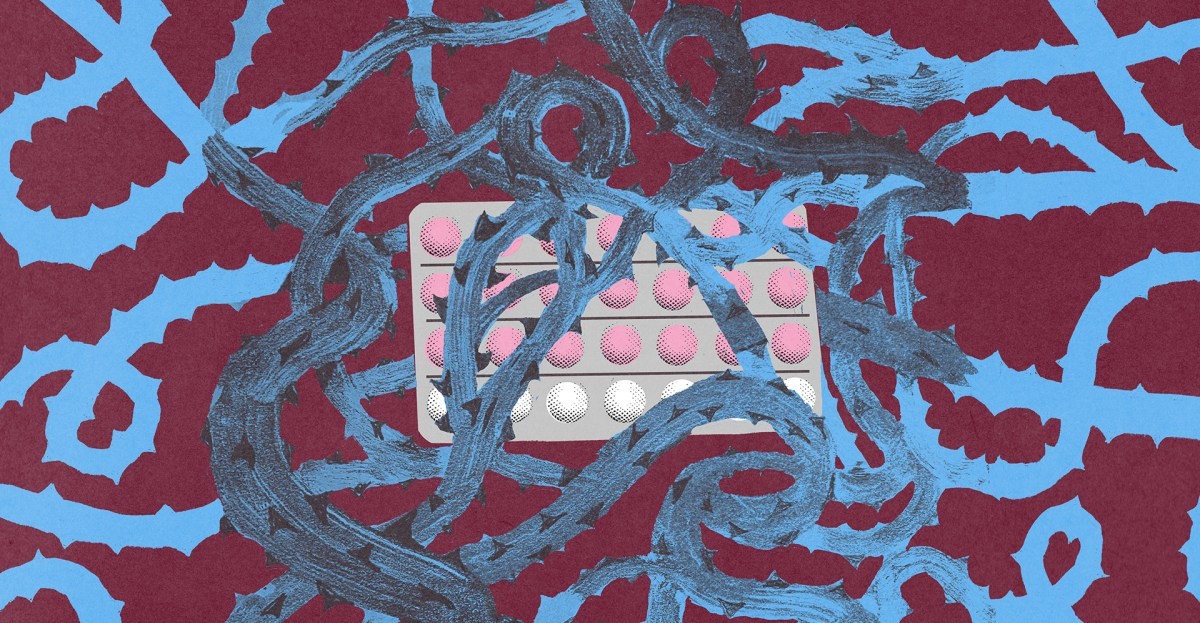
The US birth control landscape is increasingly fractured. While access to contraception has expanded – with pharmacists gaining prescribing powers, telehealth reaching rural areas, and the first over-the-counter pill, Opill, now available – a growing cultural backlash is simultaneously taking hold. People are sharing testimonials online about abandoning hormonal contraceptives, citing fears of side effects and changes to their bodies. Influencers are spreading misinformation, claiming birth control causes long-term hormone disruption or even cancer. This tension isn’t simply about whether birth control is “good” or “bad.” It’s about understanding why dissatisfaction is rising, and how real concerns can lead people toward unverified information.
A History of Medical Mistrust
The skepticism toward birth control isn’t new. For decades, women and gender minorities have been underserved by the medical system. Recent recognition of IUD insertion pain, severe perimenopause symptoms, and conditions like endometriosis has highlighted systemic neglect. Many individuals have had firsthand or witnessed horrific experiences with healthcare that erode trust. When considering hormonal contraception, it’s natural to question whether the potential side effects outweigh the benefits.
Adding to this distrust is the legacy of how long-acting reversible contraceptives (LARCs) like hormonal IUDs and implants were pushed on patients in the late 2000s. Doctors sometimes inappropriately pressured patients into these methods, or dismissed concerns when they wanted to discontinue them. This paternalistic approach, particularly in low-income communities and communities of color, reinforced the idea that reproductive autonomy wasn’t always prioritized. When people feel their medical providers aren’t prioritizing their needs, they seek information elsewhere – often falling prey to misinformation.
The Rise of Misinformation
Right-leaning influencers are now actively demonizing hormonal contraceptives, promoting unscientific “natural birth control” methods like tracking menstrual cycles or assessing vaginal discharge. Some, like conservative podcaster Alex Clark, spread false claims about hormonal birth control causing infertility or altering sexual orientation. This rhetoric fits into broader anti-contraceptive movements, with figures like Surgeon General nominee Casey Means calling birth control pills a “disrespect of life.”
The appeal of “natural” methods lies in the promise of deeper bodily knowledge without “unnatural” interventions. While many people want to understand their bodies, the exclusive reliance on unproven methods is a hallmark of ideological rhetoric. For those who’ve experienced unexpected or poorly explained side effects, natural birth control might seem like a simpler path.
The Reality of Side Effects
The truth is that many people will experience side effects from hormonal birth control. Data show that the most common reason people discontinue the pill or remove IUDs isn’t pregnancy prevention, but unwanted side effects. Some, like mood changes, may subside over time, but others, like bleeding irregularities, often receive only reassurance that they’re “normal.”
Doctors can’t predict who will experience which side effects, a reality inherent in all medicine. Experiences vary even with the same dosage or at different life stages. And individuals have different tolerances: some welcome period cessation, while others want regular cycles as reassurance. Unexpected side effects can be shocking, especially when dismissed by medical providers.
Researchers emphasize that transparent communication is key. People are more likely to listen to recommendations when they feel trusted and informed, not lectured at. Proactively explaining potential side effects and available strategies to manage them is crucial.
Beyond Pregnancy Prevention
Birth control isn’t just about preventing pregnancy. Early feminists argued that controlling fertility was essential for women’s emancipation, and research supports this. Access to reliable contraception increases women’s earnings, educational attainment, and reduces poverty risk.
Hormonal methods remain the most reliable: pills at 93% effectiveness with typical use, IUDs and implants at 99%, while condoms and fertility awareness methods are less effective at 87% and 77%, respectively.
However, the “LARC first” approach underscores that birth control should help people achieve their desired reproductive lives. If someone prefers non-hormonal methods due to past experiences, that’s a valid choice. But if the decision stems from misinformation or unrealistic expectations, it requires correction.
Demonizing any method is counterproductive. A society with easy access to contraception, comprehensive education, and abortion would still see diverse choices. There are valid critiques of each method, but unfettered access is essential.
Being clear-eyed about birth control means acknowledging that tradeoffs exist, and individuals assess them differently. The goal should be informed autonomy, not ideological coercion.