



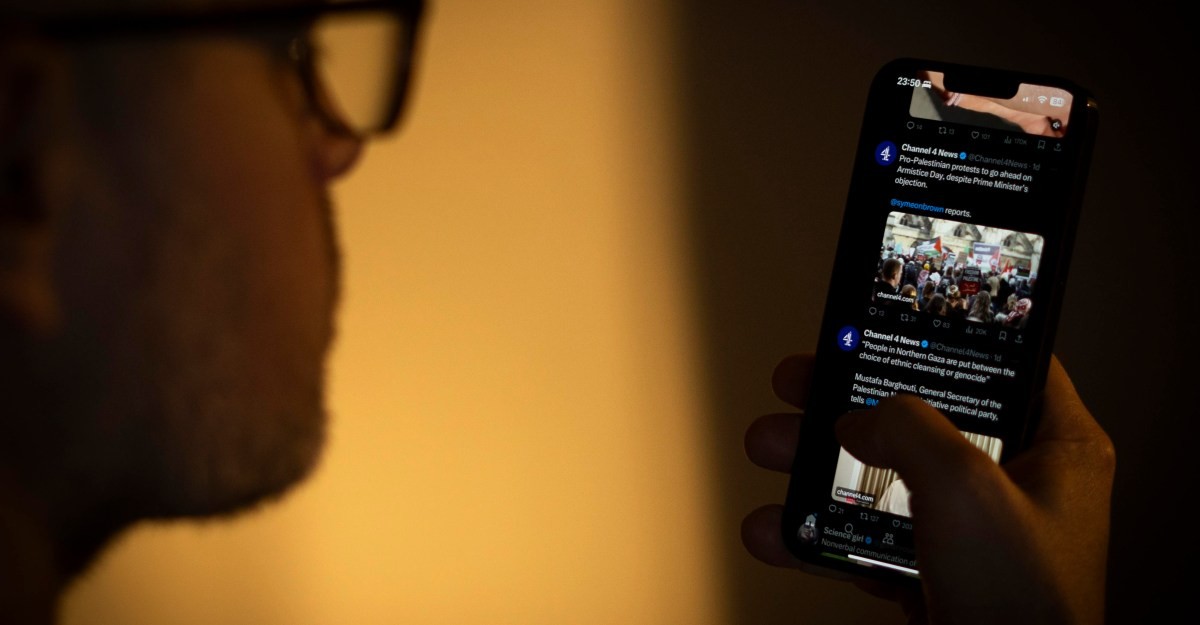
Clips run everything now. Justin Bieber uses them. RuPaul’s Drag Race relies on them. Even AI startups like Perplexity flood feeds with bite-sized promo. They aren’t just posting. They’re paying strangers. Thousands of them. Anonymously.
This marketing tactic, called clipping, is spreading fast. The Verge’s Mia Sato calls it an existential threat to full-length content. She told Today, Explained’s Sean Rameswaram exactly why our feeds feel like garbage dumps for fragmented attention.
Here’s how the machine works.
The TL;DR Trap
It’s the TL;DR version of the entire internet. Truncating everything because discovery matters more than context. You need a clip for TikTok. You need a Reel. You need a Short. If you aren’t feeding the short-form beast, you don’t exist.
Politics? Trump speech highlights. Sports? Yesterday’s goals. Podcasts? Video edits that scream for your attention.
The Industrialization of Attention
Enter Clavicular. A streamer. An influencer. His entire online persona is built on disembodied snippets. The live streams? Nobody sees them. The clips do everything.
This isn’t organic posting. It’s an army. Between March and April, about 1,600 “clippers” worked for him. Tens of thousands of videos. Billions of views. Paid labor.
View count equals pay. It’s pure scale. Pure algorithm hacking.
How much does it pay?
Clavicular manages 62,00 clippers. Top earners make tens of thousands a month. Average is roughly $3,000. Enough to eat? Sure. A family? Maybe not.
Brands pay for the buzz. Here is $10k. Make us viral.
Housenames in the Shadows
The list of clients surprises you.
- RuPaul’s Drag Race
- Perplexity AI
- Dan Bongino (podcaster/ex-FBI)
- Call of Duty
- Political candidates
The last one gets weird. Very weird.
When you scroll, ads look like ads. They say “ad.” Clips? They look like organic content. Friends posting thoughts.
Look closely. Black background. White caption: “I can’t believe bro said this 😱.”
Watch the video. Nothing happened.
Hate the internet? Good.
That was likely a paid clip. Perplexity hired clippers to post Joe Rogan segments about them. Did the captions scream “SPONSORED”? No. Check the hashtags. Buried deep. “Powered by Perplexity.”
Some have no disclosure at all. Florida GOP candidate hired clippers without labeling them. Illegal, probably. Welcome to the Wild West.
The Death of Art?
Sato wrote a sentence that breaks her heart.
“But overindexing on the clipped version… means the full-length content becomes a means to an end… what justifies making the complete content?”
It is brutal. Sato writes long features. Paywalled. Deep. She makes clips of her work too. She knows the truth. Almost nobody goes back to read the article. They watch the clip and keep scrolling.
The Exit Strategy
Is this forever? Vertical video is too dominant to ignore. But trust the algorithm? Don’t do it. Platforms change rules on a dime. You lose control.
If you want new eyes on your work? Post the short video. Accept the compromise.
But the real question lingers. How do you keep the clips from becoming the point? How do you protect the long form? How do you save the art when the fragment sells better?
No easy answer there.
*
Sources:
* Mia Sato, The Verge
* Today, Explained (Apple Podcasts, Spotify, Pandora)
* Clavicular platform data