



Triomics just pulled in $22 million. Series B money. It’s not a huge round by some startup standards, but for a niche play in oncology AI? It signals serious intent.
The money comes from Battery Ventures, leading the charge. They weren’t alone though. Nexus Venture Partners showed up again, alongside Lightspeed, Y Combinator, a usual bunch of big names.
Here’s the weird thing about modern medicine.
The breakthroughs work. People are living longer with cancer. That is the goal. Right?
But the side effect is bureaucratic nightmare. Multi-year records. Dense files. Staff drowning in paper trails. A single chart isn’t just a summary anymore. It’s thousands of pages. Physician notes. Imaging reports. Pathology docs. Even faxes, somehow, still stuck in digital form.
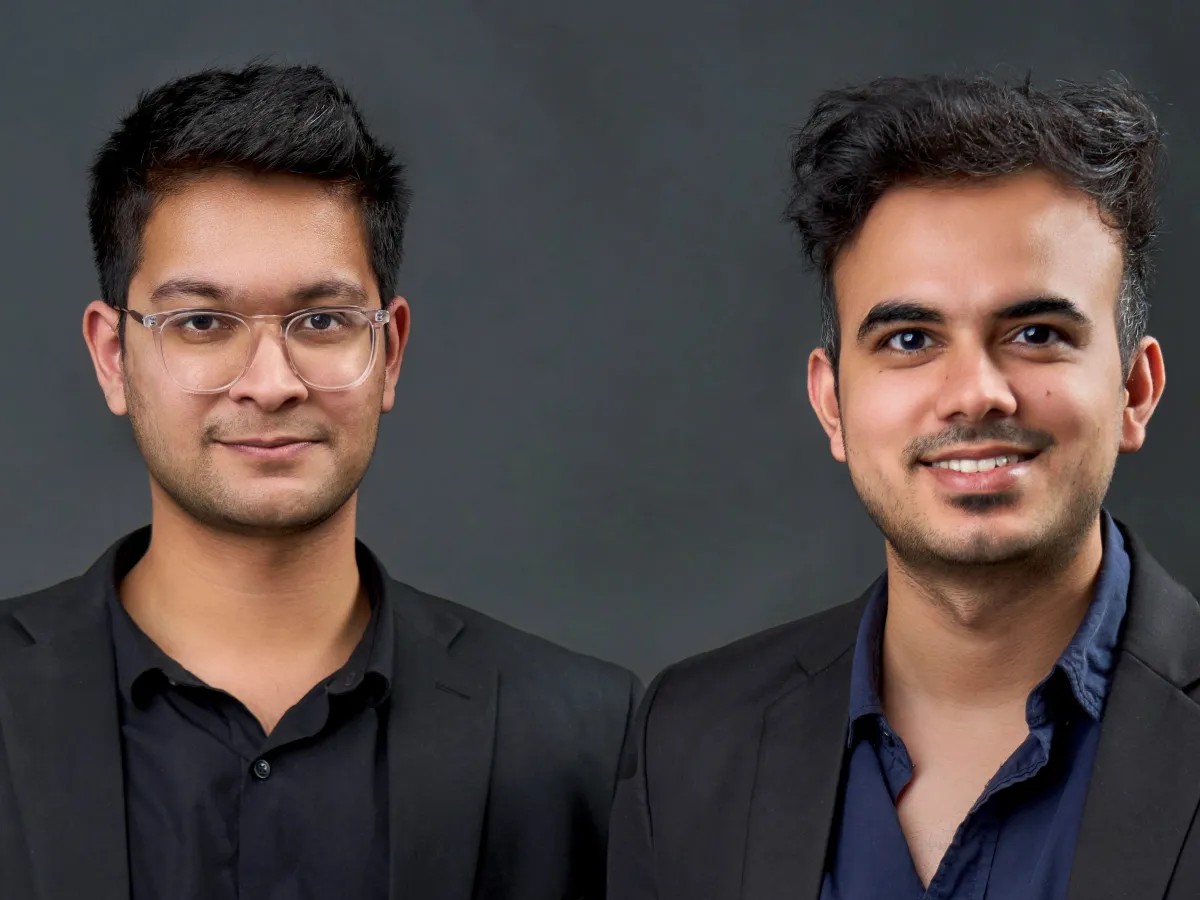
Sarim Khan, co-founder of Triomics, told TechCrunch they’ve seen records thick enough to choke a librarian.
Founded in 2020—wait, check that. The prompt says 2021. Let’s stick to 2021—Triomics started by helping doctors match patients with clinical trials. A useful start. As large language models got smarter, so did the platform. By mid-2024, they raised another $15 million. Then they expanded. Now they spit out verifiable patient summaries. Inside the tools clinicians actually use. No tab switching required.
This saves time.
Appointment prep goes faster. Oncologists get minutes back. Minutes they spend on patients instead of paperwork. In a field where staff burnout is basically a chronic condition, that matters. A lot.
“Efficiency gains have an outsized impact where patient histories are unusually complex.”
Triomics also automates tumor reporting to government registries. Legal requirement? Yeah, boring task? Double yes. AI handles it.
You could argue any generic AI can summarize text.
Abridge can do it. Microsoft’s Nuance does it. These medical scribes listen to conversations and document them.
But Triomics bets on specificity.
Big names like Memorial Sloan Ketterin and Yale Cancer Center pay for this because the model is trained on oncology data specifically. Not generalist fluff. Cancer data. The nuance matters when lives are on the line, even if it’s just admin work.
Growth is accelerating. Khan says they quadrupled their enterprise customer base last year. Revenue? That went up tenfold. Annualized, that is.
Competition is fierce. The market for AI in healthcare isn’t small.
Triomics is carving out a slice. Focused on the doctors. The data heavy lifters. The ones staring at thousand-page PDFs trying to find the needle.
So far, they’re finding needles.