



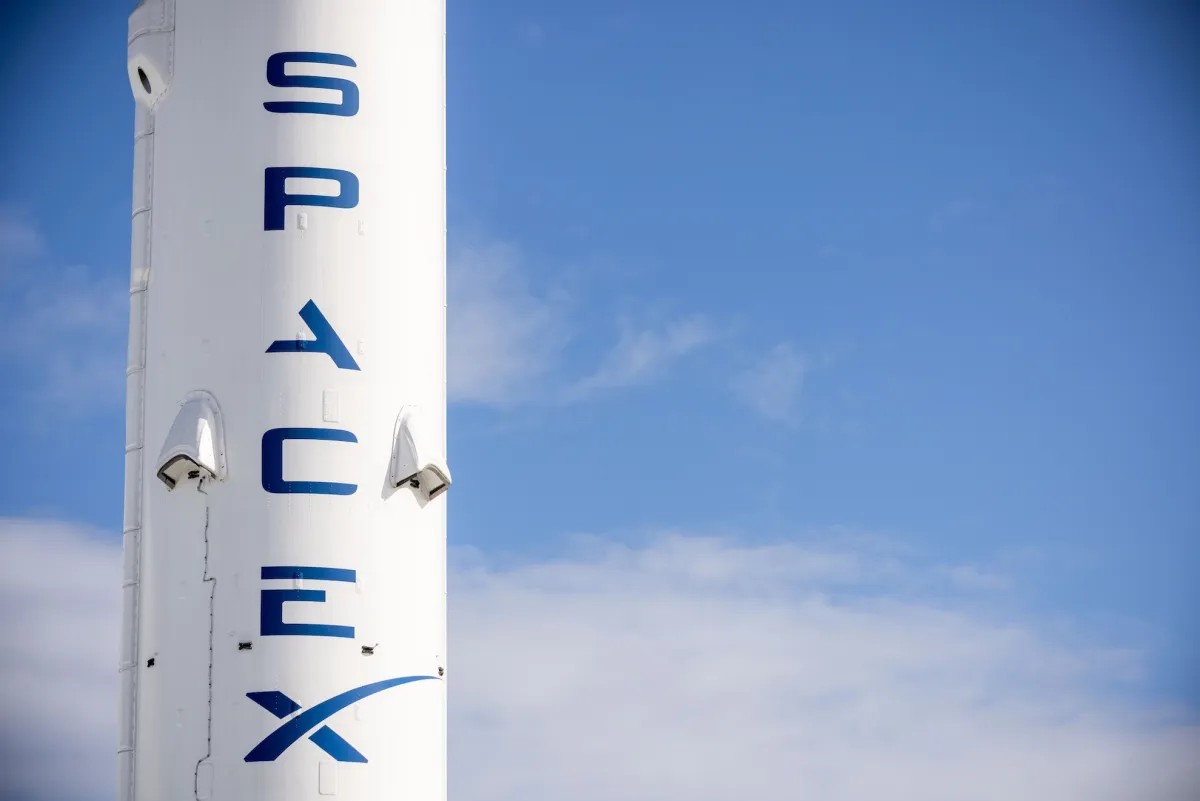
The paperwork is out.
SpaceX filed its IPO documents after market close Wednesday, and what’s inside confirms exactly who runs this show. Elon Musk. As CEO. As CTO. As Chairman of the board. Twenty-four years after launching this rocket hobbyist venture, he isn’t letting go.
But look at the numbers. The company isn’t just about rockets anymore.
The S-1 filing—a massive, legally binding document posted publicly for the first time—peels back the curtain. It reveals a tech conglomerate in disguise. Yes, they still want to make life multiplanetary. That’s the mission statement plastered on the walls. But the business reality is satellites. Artificial intelligence. Cash burn. Massive amounts of it.
They picked the ticker SPCX. Nasdaq. Later this year.
Expect it to be the largest IPO in history. The price tag? Around $1.75 trillion. They’re aiming to raise roughly $75 billion. For context, Nvidia currently holds the title of most valuable company with a market cap of $4 trillion. Wait, correction—$5.4 trillion. SpaceX is trying to chase that shadow.
Is it worth it? Maybe. But the path there is bloody.
“SpaceX says the legal fights stemming from absorbing Musk’s other companies—xAI, X (formerly Twitter)—could cost $530 million.”
The filing admits this. Thirty-six pages of risk factors.
Let’s talk money.
In 2024, SpaceX earned over $18 billion. Sounds good? They lost $4.9 billion.
Since the beginning? They have burned more than $37 billion.
Most of the revenue—roughly half—comes from Starlink. That’s $11 billion coming from beaming internet from space. But the shiny new toy? xAI. Musk merged his artificial intelligence startup into SpaceX recently. And it is not yet profitable. In fact, it’s a black hole.
Sixty percent of their capital spending last year went to the AI division. That’s around $20 billion in one go. The division houses Grok, the chatbot. It only grew revenue by 22%. Frontier AI labs are moving faster. Losing billions while chasing them isn’t exactly efficient.
So why the bet?
Musk sees a $28.5 trillion market. He claims this is the “largest actionable total addressable market in history.” Over $22 trillion of that is “enterprise applications” for AI. Big promises.
Starship is the linchpin.
Every futuristic dream rests on the back of the Starship rocket. The fully reusable behemoth has exploded more than once. It has been redesigned. Scrapped. Redesigned again.
Launch number twelve might happen this week. The stakes couldn’t be higher.
If they pull it off, the filing promises payload delivery to orbit by late 2026. No wiggle room. They want to launch the next generation of Starlink satellites—V2 mobile sats—starting in 2026 or 2027 using Starship.
Then comes the crazy stuff. Mars. Orbital AI data centers.
SpaceX claims Starship can reduce launch costs by 99%. That sounds impossible until you realize current launches cost tens of millions and Starship aims for hundreds of thousands. If true, it changes everything.
R&D for Starship cost $3 billion in 2019 (wait, let’s stick to the filing). In 2025, it cost $3 billion. In Q1 of 2026 alone? $930 million.
Worth it. They insist it is.
Future fantasies
The filing isn’t just about what exists today. It’s a catalog of sci-fi aspirations labeled as “future markets.”
Point-to-point travel? Yes. Musk has pitched this since 2017. Imagine jumping on a rocket in New York and landing in Tokyo in hours. SpaceX plans to “revolutionize global logistics.” The filing calls it a future market, meaning it won’t happen tomorrow. The regulatory scrutiny here is light compared to core operations.
Space tourism? Still on the list. They’ve flirted with it. Private citizens have flown on Dragon. The moon trip with Japanese billionaire Yusaku Maezaway was canceled. But SpaceX believes human spaceflight interest is “increasing.”
Manufacturing in orbit? The filing explicitly states they aim to build factories in space. Microgravity allows for pharmaceuticals and materials that are hard or impossible to make on Earth. Moon bases for fuel? Mars facilities for construction? They’re writing checks the industry doesn’t know how to cash yet.
Even asteroid mining made the list.
The control problem
Let’s be clear about power dynamics.
This is Musk’s kingdom. The filing confirms he controls everything. He owns 93.6% Class B voting shares. Each share carries ten votes. That gives him 85.1% control.
Even after the IPO dilution, he’ll hold above 50% voting power. This lets SpaceX bypass certain independence rules for the board. Why need independent oversight when one man calls the shots?
His compensation plan is astronomical.
He can earn up to 1 billion new Class B shares if two things happen: SpaceX hits a $7.5 trillion valuation and Mars gets a permanent colony of one million humans.
He can get even more shares if they build space-based data centers delivering “100 terawatts of compute.”
Who knows what century that will happen.
The IPO comes soon. The money flows. The risks are spelled out in 36 pages of fine print.
We’ll see if the stars align with the ledger.