



The Deal
Cairo wants your chips.
Or rather. It wants your ability to draw them.
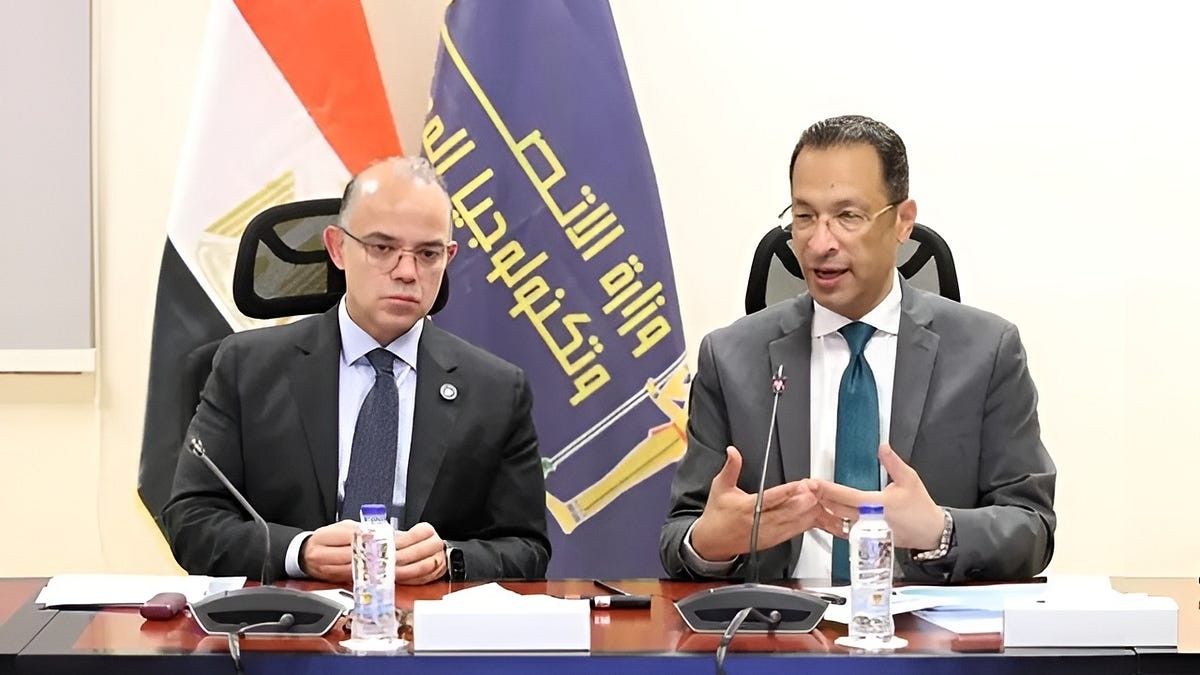
The National Export Development Fund and the ITIDA just shook hands. Signed a seven-year pact. No fluff. No generic tax breaks handed out for breathing air.
This is different.
Money now follows measurable results. Export growth. Jobs created. If you build high-value tech, they put up cash. Simple.
Why This Matters
Think about the shift.
For years. Egypt sold basic IT outsourcing. Call centers. Data entry. The bottom rung of the global ladder. Now they’re aiming higher. Way higher.
Semiconductors. Embedded systems. Mobile services.
These fields require brains. Not just bodies.
Local value-add exceeds 90%. That’s massive. It means the real profit stays in Egypt instead of bleeding out to offshore accountants. It turns the country’s massive pool of engineering grads into a hard-currency printing press.
Why hire a designer in Dublin? Why pay Swiss wages for code? Egypt offers the same skills at a fraction of the cost.
“It’s about capturing a slice of the global silicon supply without digging a hole for a fab.”
The Mechanics
Starting fiscal 2025/26.
The framework changes.
No more guessing games with subsidies. Incentives link directly to actual export growth. Did you sell abroad? Did you hire locally? Then the money flows.
A joint committee forms within thirty days. They handle the rollout. They check the boxes. Transparency isn’t a buzzword here; it’s a mandate. Parallel reforms digitise the whole process. Faster licenses. Fewer bureaucrats blocking the path.
Current ecosystem? 86+ firms in electronics design. Automotive software. Complex hardware. It’s not a blank slate. It’s an existing cluster looking for fuel.
The Regional Play
Zoom out.
Everyone’s going after silicon.
The Gulf neighbors? They’re throwing billions at fabrication plants. Massive infrastructure. Dirty. Capital-heavy. Slow.
Egypt says nah.
They’re playing fabless.
No wafers. No foundries. Just design. Intellectual property. This mirrors what Eastern Europe and India did with software. Build clusters. Hire engineers. Let the chip go somewhere else to be made.
$3.5 billion into digital backbone. Partnership with the Global Semiconductor Alliance. It’s a clever pivot. Why compete with Saudi on land? Compete on minds.
The “Egypt Makes Electronics” strategy isn’t just a slogan. It’s a blueprint. Deepen domestic R&D. Attract foreign design hubs. Turn engineering graduates into global assets.
It might not build the next mega-city.
But it might just rewrite the rules of who gets paid to design the future.