


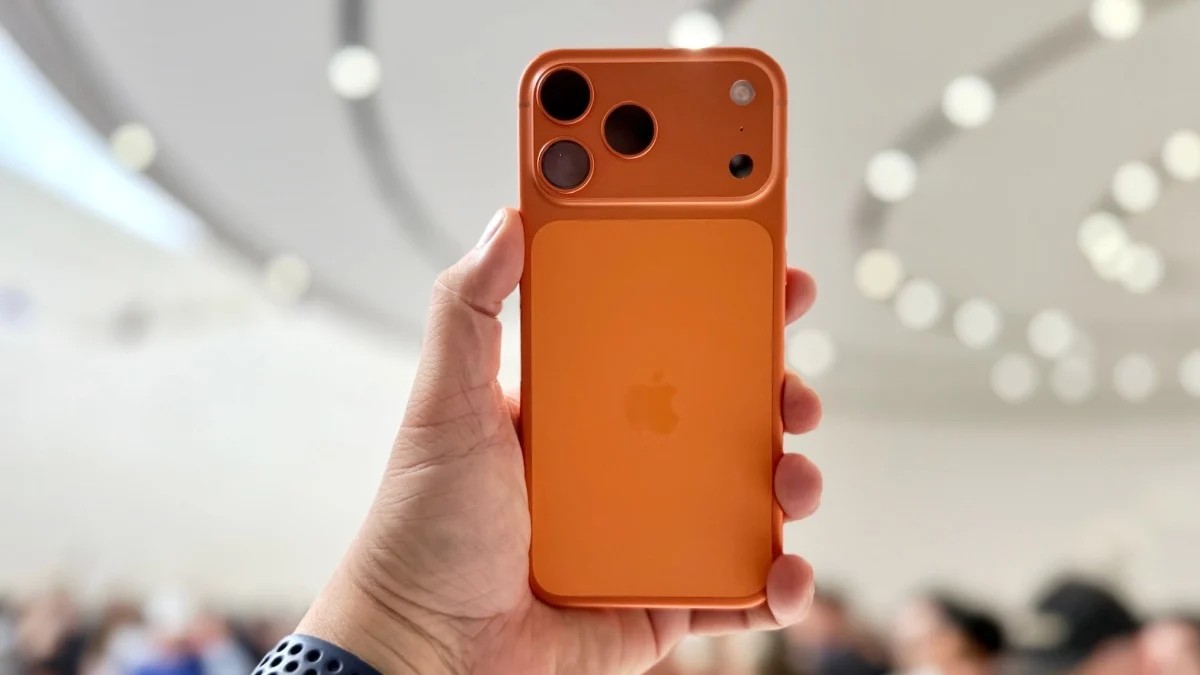
The iPhone 18 isn’t here yet. September hasn’t arrived. But the code for iOS 27 is already out, sitting in the beta for anyone bold enough to install it. And inside that code? A quiet, chilling feature. A report from 9to5Mac suggests Apple is preparing a way to remotely deactivate leased phones if you stop paying.
It’s not a rumor anymore. It’s in the files.
How “Restricted Mode” Works on iOS 27
Here’s the deal. You lease a new iPhone. You pay monthly. Life happens. You miss a payment.
According to the report, iOS 27 introduces something called “Restricted Mode.” This isn’t just a warning label on your screen. It’s a functional lockout.
When triggered, your phone doesn’t shut down completely. That would be too obvious, maybe even illegal in some jurisdictions. Instead, it gets neutered.
You lose access to almost everything. The report says you’re left with a tiny handful of widgets and apps:
- The App Store
- Clock
- Settings
- Wallet
- Passwords
That’s it. No calls. No messages. No social media. Your phone becomes a brick that can still check the time.
Authorized financing partners—likely Apple itself or partners like Klarna—can run regular status checks on your contract. Miss a payment? The signal goes out. Restricted Mode engages.
9to5Mac calls the code “unequivocally present” in the beta. There’s no ambiguity. It’s there. And it might even roll back to iOS 26 in a future update, meaning this feature could hit older devices too.
Why Apple Needs Partner Finance Locks
You might ask, why build this into the OS? Why not just rely on the lender?
Control.
Apple is shifting how it sells devices. The era of outright purchase is fading. Leasing is rising. Bloomberg’s Mark Gurman says Apple is launching the “Apple Upgrade” program soon, a lease-to-own partnership with Klarna. It’s described as one of the biggest changes in how Apple sells hardware in decades.
Customers qualify for monthly payments over two years. It’s cheaper upfront. It feels easier. But it ties your hardware to your credit.
This is where the iOS 27 code becomes relevant. You can’t lease a high-value asset and let the borrower walk away with it unpaid.
The code also references a “Partner Finance Lock.” This is different from Restricted Mode. This one seems designed to stop you from reselling the device. If you try to sell a financed phone, the lock should prevent the transfer.
It’s a safety net for the lender. A trapdoor for the borrower.
The RAMageddon Price Hike Context
This isn’t happening in a vacuum. Tech is getting expensive.
Apple recently hiked prices on iPads, Macs, and other products. The iPhone hasn’t jumped yet, but CEO Tim Cook has already prepared the market for an “unavoidable” price increase.
Why? Memory chips. The global supply crisis known as “RAMageddon” is squeezing margins. Samsung just launched foldable phones with a new Galaxy credit card program to help users afford them. Apple is doing the same, but deeper. By building the enforcement mechanism directly into the operating system, they remove friction for lenders.
They make leasing easier. Safer for them. Riskier for you.
Is Remote Device Control Normal?
We’ve known this was coming. Consumer advocates have warned for years. Once a device is internet-connected, the manufacturer holds the key.
Smart TVs can be switched to news feeds by protest groups. Cars can be remotely disabled. Now, your phone can be crippled by a missed bill.
It’s uncomfortable. It highlights the fragility of “ownership” when you’re really just renting access.
You don’t own the device. You’re paying for the privilege of using it.
The code is unequivocally present in the iOS 27 beta.
Mashable reached out to Apple. They didn’t respond. They never do.
But the code doesn’t lie.
We’re entering a period where software dictates hardware rights. If you lease the next iPhone, read the terms. Or better yet, understand what you’re giving up when you skip the outright purchase.
The phone might work today.
Will it next month?