




Garbage accumulates in Windows. That’s it. Temporary files accumulate. Browser cache can bloat your drive. Duplicate photos will remain there and take up unnecessary space. This junk slows down the process. This occurs when the application is slow or has slow startup times.
PC Cleaner solves your problem. This is a Utility specifically designed for Windows systems. The work is easy. Dig deep into your hard drive and sweep away the clutter. This includes temporary system files, internet cache, and redundant data. The goal? Free up storage space and help your apps run more smoothly. Reduces friction caused by accumulated digital noise.
But is it really necessary? Does it work in your settings? Let’s take a look at what this tool actually does, where it works, and whether it’s worth clicking download.
Compatibility: Windows only reality
PC Cleaner is designed for Microsoft. Focused mainly on Windows. You’ll find that we support older versions that are still in circulation, up through the latest Windows 10 and Windows 11 updates. This covers most desktop environments.
It doesn’t exist outside of that ecosystem. There is no MacOS version. There are no Linux versions. It is also not available for Android or iOS. This is not an omission. This is a strategic choice. Windows Manages files and Registry keys differently than other operating systems. It produces a specific type of residue that other platforms don’t produce in the same way.
If you are using Mac or Linux, this tool will not help you. We need to build alternatives to these architectures. However, it is specific to Windows users. It takes advantage of the special features of the Windows file structure to clean more efficiently than generic script.
In addition to removal: Registry and startup cleaning
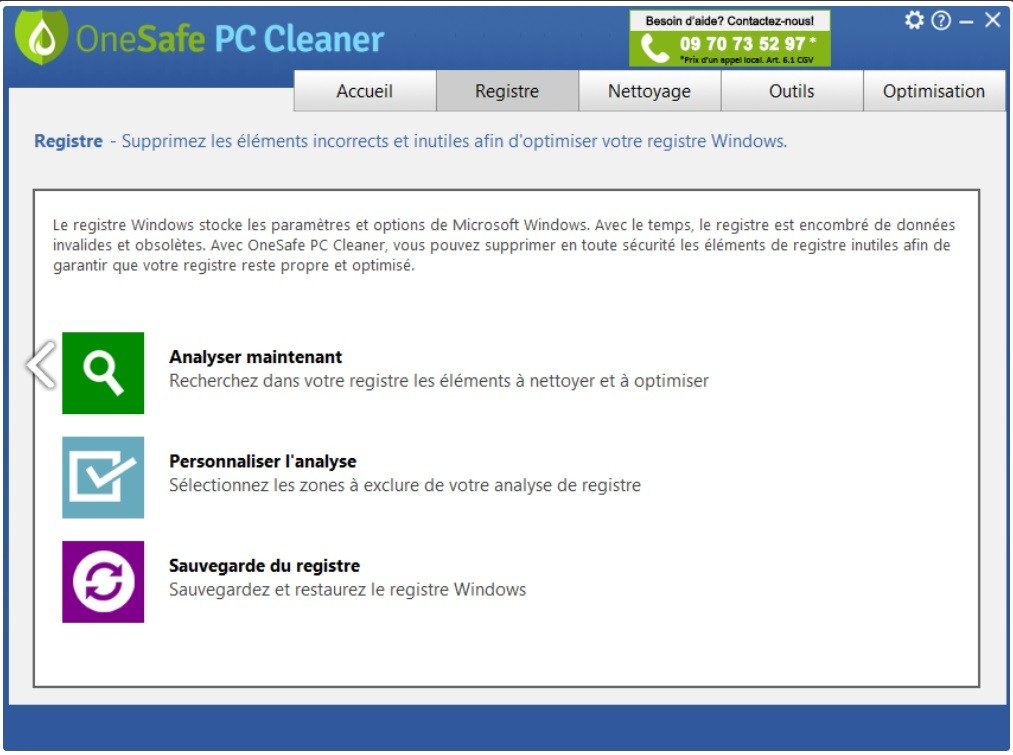
Deleting files is only half the battle. The actual performance impact is often elsewhere. PC Cleaner goes one step further. It includes a module for checking the registry. Look for old keys, remnants of long-removed programs. These orphan entries can clutter the database.
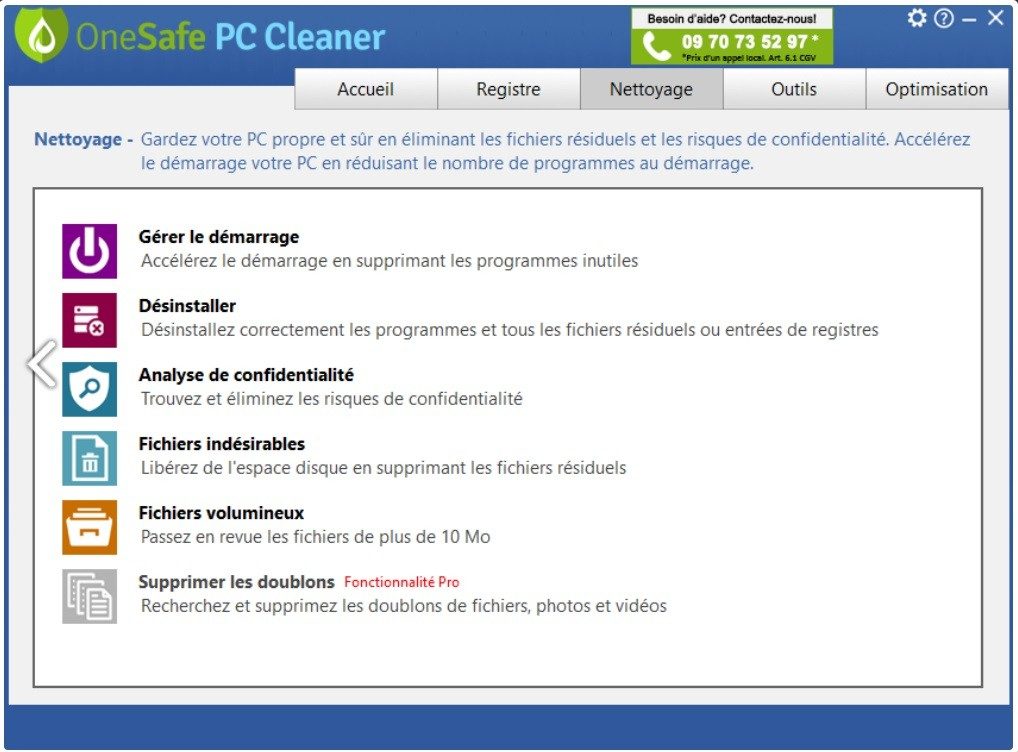
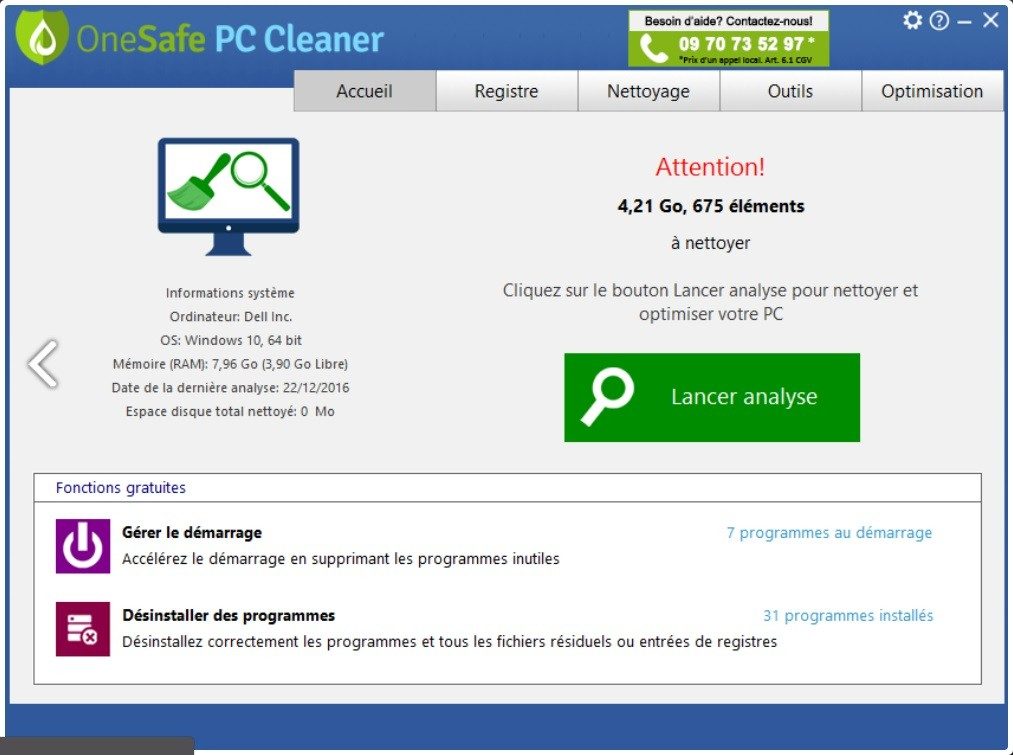
startup items are also checked. Some programs are forced to load when you turn on your computer. This slows down the startup time. The software recognizes these elements and offers the option to disable them. It helps to remove unnecessary auto-start programs and speed up the initial login process.
There is also a complete uninstall feature. It’s more than just dragging an icon to the trash. Find and permanently remove outdated or bloated programs. This restores performance margins that many users didn’t know they had lost.
Risk management and usability
Many people stop optimizing their PC manually because they are afraid of breaking it. This is understandable. Deleting the wrong file can cause the system to crash. PC Cleaner aims to reduce this risk. Minimize human error. This software is responsible for identifying important files and making sure that you don’t accidentally delete important files.
The user interface is designed with an emphasis on ease of understanding. It’s not hidden behind a complicated menu. This makes it easier for beginners to get started. However, it is powerful enough for advanced users looking for optimization without the guesswork. Enjoy the benefits of deep cleaning without worrying about system instability.
Download and installation process
where did you get it? You must use reputable sources. Futura-Sciences is one of the recommended platforms. They host the software securely and ensure file integrity. This is important. You don’t want modified executables running on your computer.
Downloads are usually fast. Just a few clicks. You land on the dedicated page and click the download button. The resulting file is an executable file that is compatible with the latest versions of Windows. The standard version is free for personal use. Meets the basic cleaning needs of most households.
Installation is very easy. Launch the file and the wizard will appear. It walks you through the steps. You agree to these terms. Select the destination folder. You may see options for optional modules.
This is an important step. Run as administrator. These permissions are required. Without them, the software cannot access system files or parameters. This limits its effectiveness. You want the best cleaning result. Therefore, full access is non-negotiable.
After installation, restart the machine. This way your configuration changes will take full effect. The system must be restarted for the cleanup to take effect.
Free version or premium version: Which version do you need?
Many users ask if there is a cheaper way. Or an older version. The basic version is free. Most standard features are available. For most, this is enough. Responsible for regular maintenance.
If you want more, there is a premium version. Available as an annual license or as a one-time purchase. Advanced settings will open. More precise registry fixes or automatic schedules may be needed. This is where the paid version comes into play.
Sometimes there are discounts. Students can find special offers through educational partnerships. It’s not guaranteed, but it happens.
What about older versions? Archives may exist. If you have an older Windows build and are having problems with the latest updates, an older version may be more compatible. This is niche, but useful for older devices.
Cost is not the only problem. It’s all about practicality. Need additional features? Or is a free scanner enough to keep your computer running? Most users find the basic features sufficient. However, which one you choose depends on whether you want to go into the health of your system.
The landscape of PC maintenance is changing. Improved Windows built-in tools. However, third-party experts still provide targeted precision. PC Cleaner fits this market. It’s specific. It’s focused. For many Windows users, this is a viable option to restore speed.
Keeping PC Cleaner up to date is more than just a check box. It’s the difference between a powerful cleanup tool and one that ignores the new quirks of Windows. The software uses the automatic update module by default to solve this problem. You will be notified when a new version is released. If you want to force it, you can open the Help or Settings menu and trigger a manual check.
Why bother? Bugs get squashed. Better performance. New file formats are supported before they become problems. It also ensures compatibility with new versions of Windows. You won’t be left behind when others adapt.
Pricing model and competitors
Let’s talk about money. PC Cleaner is flexible. There is a free version. For most computers, this is sufficient for routine maintenance. No paywall. No registration required. Just install and clean.
Advanced user paid licenses unleash the heavy artillery. We are talking about deep startup optimization. Advanced task automation. Scheduled scans that run while you sleep. And priority technical support. Prices vary depending on features and number of machines. Families and enterprises can get better offers.
But where is it in the market? You should compare PC Cleaner with famous names like CCleaner, Glary Utilities and Advanced SystemCare. These competitors also offer similar modules. Only the approach to ergonomics and customization is different. Some are clunkier. Some are more opaque. PC Cleaner tries to remove the noise.
Simple and focused on privacy
This is where it stands out. With this user interface, you won’t be overwhelmed by jargon. The analysis report is self-explanatory. You see what happens. You don’t need a computer science degree to try advanced cleaning.
Most competitors overload their settings with obscure options. PC Cleaner avoids that profusion. It is based on an integrated knowledge base. This will guide your choices. Limit actions that can cause harm. You probably won’t delete important files. This design prioritizes readability over complexity.
It is also more than technical optimization. Privacy is a basic pillar. The tool erases browsing traces. Clear usage history that third-party apps may be able to retrieve. It’s not just about speed. This avoids leaving a digital footprint.
Security, transparency and support
Using any cleaner raises questions. Is it safe? Will I lose my data? The developers of PC Cleaner have built protections specifically to address these concerns. Transparency is the policy.
Each analysis module produces detailed reports. It lists exactly which files or registry keys will be deleted. You can confirm or exclude certain components before applying the changes. This proactive approach minimizes the risk of errors. It also tells you about any digital residue you may have.
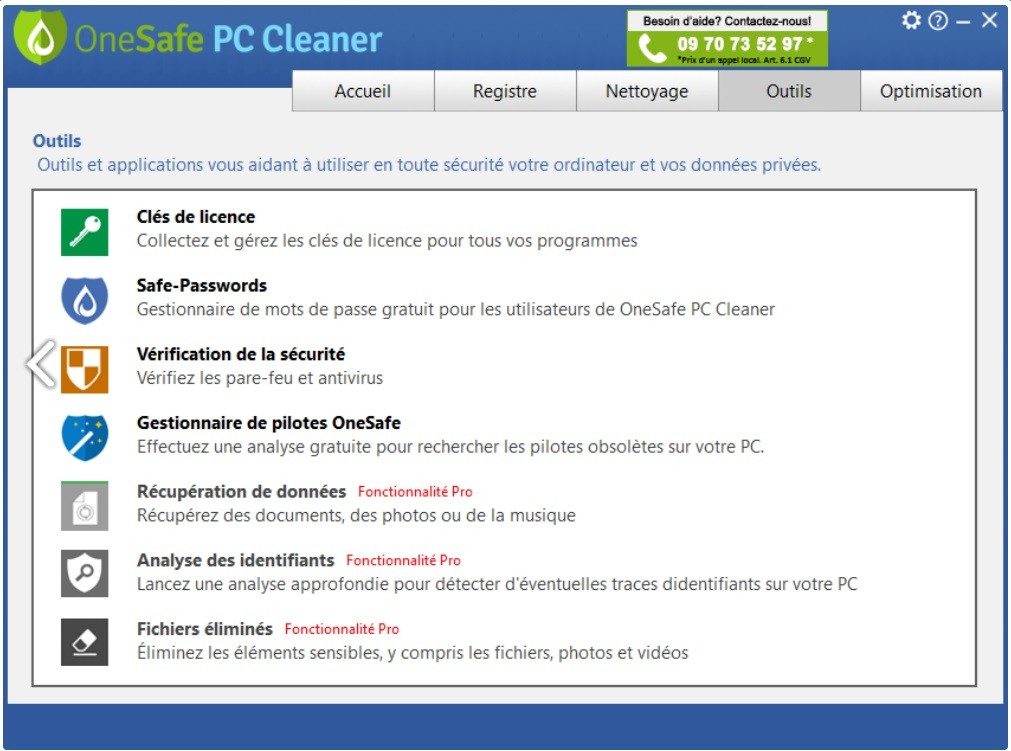
Support is available directly through the app or the official website. Holders of paid licenses get priority access. For others, online communities are a valuable resource. Find tips, optimization steps and solutions to common problems. There are currently no official certifications or formal training courses. But expert tutorials and video guides fill the gap. They help you master advanced features.
The protection also applies to the download process itself. The publisher runs regular checks. The goal is to have no annoying ads and unnecessary third-party elements during installation. Downloading from a trusted platform like Futura-Sciences provides an extra layer of protection. Protects against modified versions that often spread from unofficial sources.
Safety Nets for the Unforeseen
One last safety measure is worth noting. You can create a backup of the changed elements Each launch can create. If you encounter any problems after cleaning, there are recovery points available. This way you can quickly system rollback.
This series of actions makes PC Cleaner a sensible choice for Windows users. It also covers maintenance, storage optimization and system longevity. Everything happens in a safe and transparent environment. You know what is being deleted. You can undo it if needed. The risk is managed. The benefits are clear.
This is more than just a utility. This is a controlled process. An approach that respects both data and time. The market is full of options. However, there is a clear balance here between simplicity, security and privacy. Whether you decide to stay on the free tier or upgrade, the core promise remains the same. Clean. Safe. Transparent.
Why PC Cleaner only works on Windows
Most cleaning tools promise multipurpose magic. Not found in PC Cleaner. This is a Windows-centric utility. Not found on macOS or Linux. Android and iOS are also not supported. This limitation is not a fault. This is a design choice. This software is directly targeted to the Microsoft ecosystem. I know how Windows structures folders. Understand the registry. The average cleaner always has to guess. PC Cleaner goes even deeper.
System requirements and installation logic
The architecture is simple. Supports 32-bit and 64-bit systems. A standard PC with a keyboard and mouse is required. SSD or HDD storage works well. The size of the installer varies by version. Don’t check disk space at the last minute.
Installation is local. No cloud dependency for the core engine. Download the installer from Futura. Then run it. Administrator rights are recommended. Why? Because cleaning system areas requires high privileges. Without these, your tools will hit the wall. Certain files cannot be deleted. Registry keys cannot be rewritten. Of course it’s safer. However, the effect is weak.
Internet connection is an option for everyday use. Required to obtain an installer. You need it to update. However, once you install the software, you cannot launch it immediately. Works even offline. This is important for privacy. This is important for speed.
Core function: What is actually being cleaned?
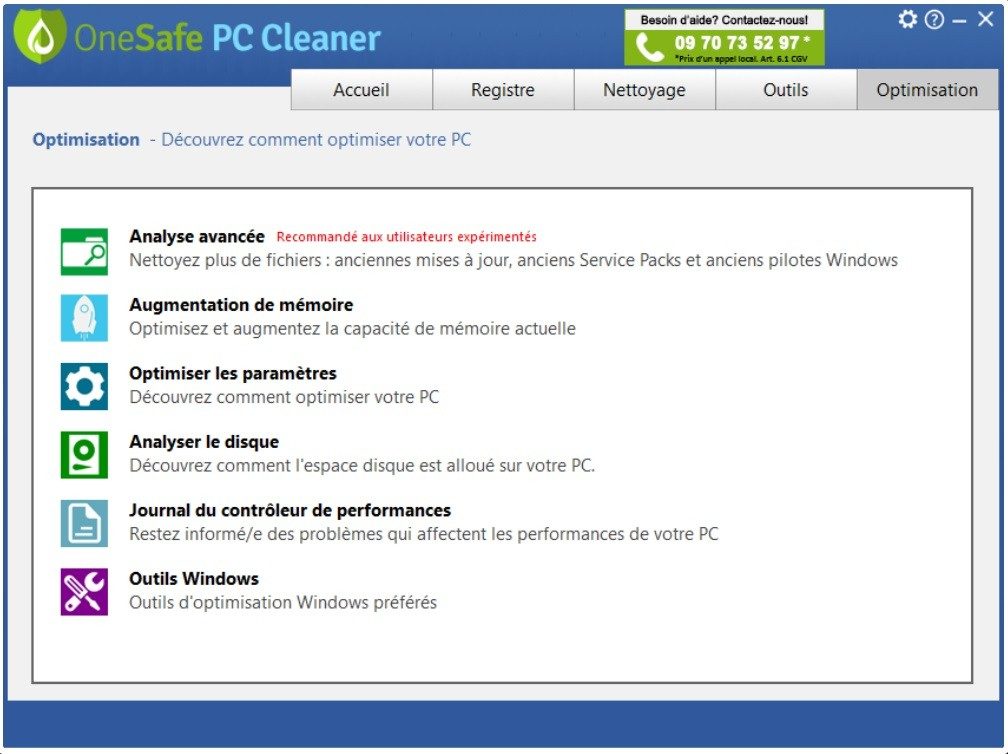
The category is “System Cleaning and Optimization”. The functionality is special. This applies to temporary files. Clear the cache. These are junk files that have accumulated. Startup time may be slower. The storage space is running out.
It also controls the boot order. Do you have too many apps running at the same time? With PC Cleaner you can disable them. This is important for performance. Slow startup is usually a software problem, not a hardware problem.
Next is the register. Registry cleaning is controversial. Some experts say this is not helpful. Some say it’s important. PC Cleaner includes this feature. Remove broken links. Remove orphan entries. Be careful here. One wrong click can make the program unstable.
Uninstallation is another key feature. It doesn’t just delete the shortcut. The file will be deleted. Clear all remaining registry entries. This is better than the default Windows uninstaller. Fragments are left behind by default. PC Cleaner is designed to provide a cleaner exit.
Who is this for?
This is a freemium model. Available for free. For those who want even more, there is also a premium option. The user interface is available in French, English and other languages. Designed with regular maintenance in mind. home user. A small business. Everyone is tired of their computer slowing down over time.
The advice is clear. Download from Futura. This is a verified source. Avoid random download sites. Malware loves cleanup tools. These are the main vectors of infection. Stick to the source.
Let’s start by checking the specifications. Close all open applications. Make sure you have administrator rights. Next install it. A quiet system is needed for the initial analysis. Do not multitask while scanning. Let it work.
The area is very narrow. Windows only. But it is accurate in that area. Your system won’t be bloated with unnecessary features. It just cleans. Optimized. It maintains.
Is it worth it? For Windows users, yes. Especially if you’re not used to manually digging into system settings. This tool fills that gap. Provides a graphical user interface for tasks that need to be automated.
The future of Windows maintenance could be cloud-based. Or with the help of artificial intelligence. For now, local, rule-based cleaning still works. PC Cleaner fits in this place. This is not revolutionary. You can count on it. In the IT industry, reliability often trumps flashiness.
A hardware change that changes everything
Apple’s move to ARM-based chips is more than just a chip swap. This is a complete architecture reset. The biggest concern for developers is compatibility. Traditional Intel-only apps aren’t just slow; They disappear from the native experience. Rosetta 2 steps in as a translator and does the heavy lifting of converting the instructions. It works so well that most users don’t notice it. But this comes at a price. Background processes consume more power during translation. Performance is not native. It is emulated.
The real problem isn’t speed. This is ecosystem fragmentation. Suddenly you have two different families of hardware. One optimized for efficiency. The other is for the raw desktop power. This fragmentation creates a maintenance nightmare for corporate IT departments. Software versions must be compiled for multiple architectures. The test matrix doubled overnight.
“We’re no longer shipping one binary. We’ll send two, maybe four binaries.”
Why business tools fail
Traditional enterprise software wasn’t created with this kind of diversity in mind. Many internal tools rely on low-level system calls that work differently on ARM and x86. Drivers are the biggest offender. Printer support? What a mess. External storage? Hit or miss? Manufacturers don’t update drivers fast enough. Or stop updates altogether. As a result, the hardware used in Intel Macs feels like a science project on M-series chips.
Then there is the virtualization layer. Parallels and VMware had to rewrite their core engines. They can’t to effectively emulate an x86 CPU on ARM hardware. The performance loss is significant. A heavy virtual machine that ran smoothly on Intel now stutter. They lag. macOS’s promise to “just work” is crumbling under the weight of compatibility debt.
The security paradox
Apple cites security as the most important benefit of the M-series chips. Secure enclaves are even stricter. The startup sequence is stricter. This is good. It stops bootkits. It stops most persistent malware at its source. But it also breaks legacy security tools. EDR (endpoint detection and response) solutions based on older kernel extensions will not load. They crash. They disappear.
IT managers are left blind. They can’t see what’s going on at the core level. They have to wait until the vendor releases an ARM compatible agent. This may take several months. In this window, the threat surface is actually much wider. It’s not because the hardware is weak. Because the monitoring tools are missing.
What does this mean for the average user?
You won’t see this immediately. The browser works fine. Your email works. However, try using special software. CAD tools. Old accounting software. Video editing plugins. They can refuse to launch. Or they might render incorrectly. GPU drivers haven’t caught up yet. Effects that rely on certain CUDA or DirectX calls don’t translate cleanly.
Battery life will improve. Undeniably. That’s 15 hours instead of 8 hours. That’s the compromise. Some compatibility is lost. You gain endurance. For most people, this is a fair deal. For power users who rely on narrow hardware peripherals? What a headache. You’re forced to upgrade gear. Or stay on Intel? Most people don’t think they have to choose.