




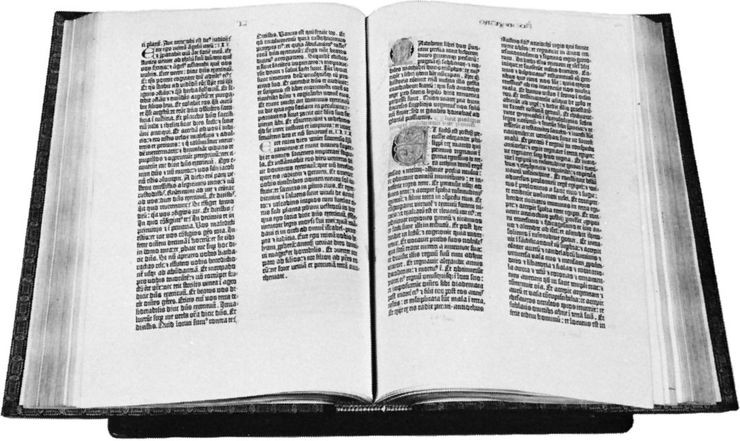
Publishing used to be about heavy paper and ink. It was a physical trade. You selected content. You prepared it for print. You distributed books, newspapers, magazines, and pamphlets to a waiting public. Today the definition has shifted. It includes works published on the internet. The industry now disseminates every conceivable type of information.
The roots of this massive sector are ancient. They trace back to Hellenistic Greece. Rome played a role too. So did China. The modern concept of a copying industry for a lay readership began there. It wasn’t always about mass appeal. Early origins were often bound by law or religion. Control over text meant control over society.
The Movable Type Revolution
Paper traveled west from China in the 11th century. It arrived in Europe. But the real breakthrough came later. Johannes Gutenberg invented movable type. This was the central innovation in Western publishing. It changed everything. Suddenly, reproducing text wasn’t just for monks with quills. It became faster. It became scalable.
By the 19th and 20th centuries, things accelerated. Technology improved. Literacy rates rose. People had more leisure time. The demand for information grew exponentially. Publishing expanded in ways that were unprecedented. It became a dominant cultural force.
Modern Pressures and Digital Disruption
Now the landscape looks different. The challenges have evolved. Censorship attempts persist. Copyright laws remain a battleground. Plagiarism is an ongoing issue. Financial structures involve royalties for authors. Literary agents take commissions. These are the mechanics of the trade.
Marketing techniques are highly competitive. Advertisers exert pressure on editorial independence. Large conglomerates acquire independent publishing houses. This consolidation changes who gets heard. Then there is the competition for attention. Readers are leaving print for television. And now for the internet.
The medium has changed. The goal remains the same. Distribute information. But the barriers to entry have never been lower. The gatekeepers are still there. They are just invisible now. Algorithms decide visibility. Not editors. Not publishers. The code does the selecting.
Who controls the narrative when everyone can publish? The answer isn’t clear. The industry is fragmented. It is volatile. It is still defining itself.