


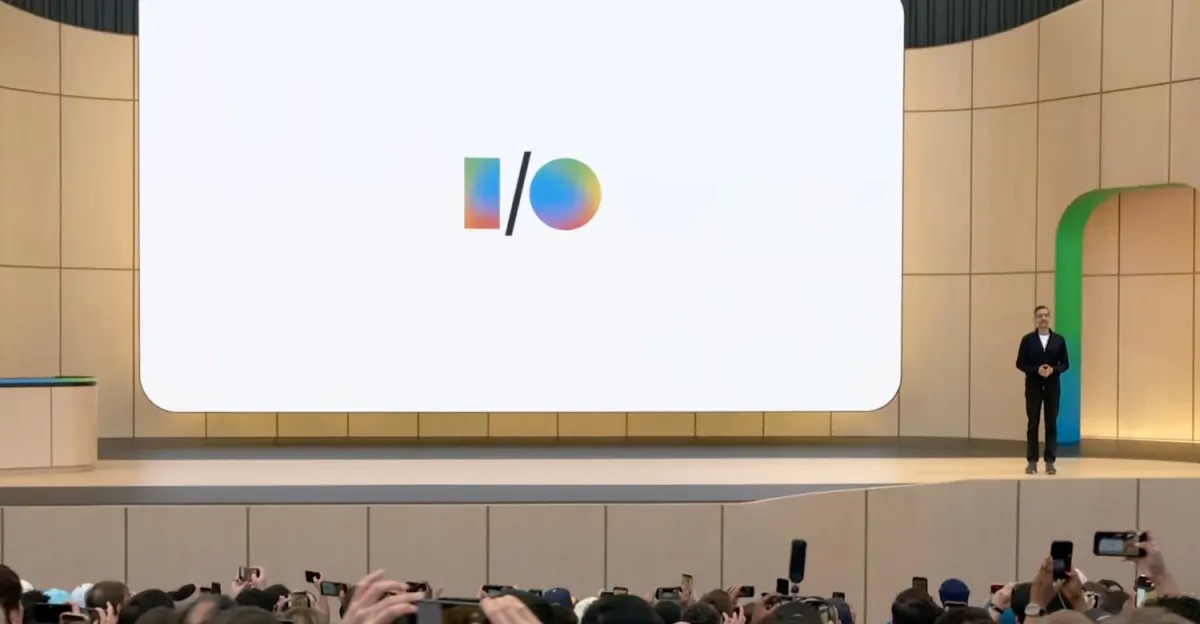
It’s Google I/O 20:26 again.
Another day, another keynote. Same energy though. Heavy on the AI, lighter on the surprises. You wanted a summary? Here it is.
The Brain: Gemini 3.5
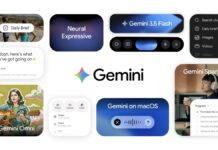
Google dropped Gemini 3.5 Flash today. It’s the default now. Starting today, this model powers the Gemini app and AI Search. Why? Because it’s fast. It handles agentic tasks better—coding included.
Richer, more interactive web UI. Less harmful output. Better guardrails.
Gemini 3.5 Pro comes next month. Not now. Next month.
And because Google loves a redesign, the app got a face lift. They call it “neural expressive.” It sounds fancy. It looks… cleaner. New fonts. New colors. Haptic feedback. It rolls out May 19.
But here is the weird part.
There is a new family called Gemini Omni. The first model, Omni Flash, handles mixed inputs. Text, video, audio, photos. Unlike Veo, which just takes text, Omni understands everything at once. Google’s goal? “Create anything from any input.” Ambitious. Maybe too ambitious.
The Agent That Won’t Stop
Meet Gemini Spark.
It runs 24/7 on Google Cloud virtual machines. It lives in the background. It writes your emails. It scans your credit card statements for hidden fees. It makes study guides. It connects to Workspace—Docs, Sheets, Slides—and third-party apps like Canva or Instacart.
It’s always on. Always watching.
Mac users can expect local file access soon. Through the Gemini app.
Build an App? Vibe It
Yes, you heard that right. Vibe-coding native Android apps.
From AI Studio. No code. Just vibes. You get an embedded emulator. Preview it. Edit it. Plug in your phone to test it live. Export to Android Studio? Sure. GitHub? Okay. ZIP file? Fine.
Publish it to the Play Store. Straight from AI.
Or just send it to friends. Private publishing is coming. Firebase integration follows.
Smart Glasses and Heavy Headware
Project Aura returned. Collaborating with Xreal this time.
Last year they showed a concept. Today we saw an updated version. The external compute puck got a redesign. Added a fingerprint sensor. Added a lanyard, because apparently, carrying a computer puck around requires jewelry.
Features include widgets for displays, deep Gemini ties with Calendar and Keep.
Two other glasses hit fall. Warby Parker and Gentle Monster.
No screens. Just audio. Live translation. Navigation help. Notification summaries. Essentially Meta’s Ray-Bans but with Google’s brain inside.
Shopping Without Friction
Universal Cart.
Add stuff to a cart from YouTube. From Search. From Gmail. From Gemini.
Checkout Nike and Target items together. In one go. Google says it checks for compatible PC parts too. Flags errors. Checks loyalty points via Wallet.
Summer launch. YouTube and Gmail integration later.
Convenience? Or a surveillance honeypot? Ask yourself that.
Inbox Chaos Solved?
Gmail gets a “Live” experience.
Click the mic in search. Talk to your inbox. It pulls specific answers—hotel codes, meeting times—without dumping 47 threads in your face.
Docs and Keep get voice AI too. Drive and Gmail data feed into it.
For image edits, there’s “Pics.”
Part of Workspace now. Point. Click. Comment. AI fixes the rest. No long prompts needed. Backed by “Nano Banana 2” and Gemini. Will bleed into other apps later.
Search Is Changing
The search box is bigger. More room for typing. Autocomplete suggests more.
But you aren’t just typing anymore. Upload files. Images. Video. Even Chrome tabs. Search takes all of it.
“Information Agents” arrive this summer for Pro users. They summarize blogs, news, and social media updates for specific topics.
Generative UI lets Search build interactive tables or simulations. Or even a mini-dashboard for event planning if you keep searching the same thing.
Pricing Drops
AI Ultra was expensive. $249/month. Painful.
Google matched OpenAI. Starting price: $100/month.
The $200 tier gets you Project Genie.
Cheaper. Faster. Accessible.
Proof of Truth
SynthID. C2PA.
Chrome and Search can now verify AI-generated images. Upload a picture. Google Lens or Circle to Search shows its origin. Watermarks reveal edits.
Provenance tools coming to Chrome soon. Circle questionable images to check their history.
Because in 20:26, trust is a scarce resource.
Sophie Says Hello
Project Starline is dead. Long live Google Beam.
Lifelike agents. They don’t just talk. They see.
We met Sophie. She read documents held to a camera. Gave restaurant recs. Responded to questions. No 3D projection (that $25k HP rig was missing), but the presence felt real.
Group calls are next. Integration with Meet and Zoom is happening.
We’re getting ready for it. The future is already here, waiting on the rack.
It’s less about magic and more about integration. Google is wrapping AI around every corner of digital life. Do we need that much?