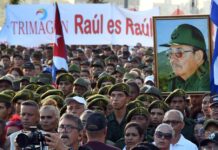

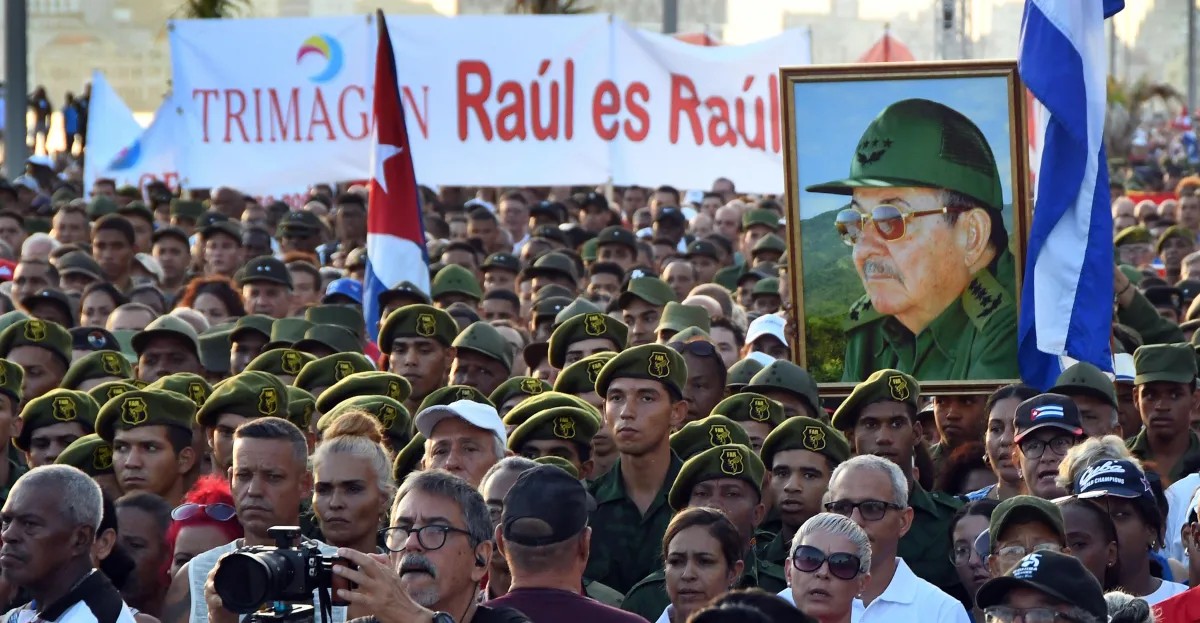
The feds indicted Raúl Castro last week. A 94-year-old former president. For a plane crash in 1996 that killed four people, including three Americans. It feels archaic. It feels like 1979 but louder.
The indictment isn’t an isolated event. It sits on top of a massive energy crisis in Havana, caused by Washington choking off Venezuelan oil supplies. No fuel. No electricity. Blackouts hitting hospitals, homes, schools. Cuba cut its workweek to four days. Universities told students to stay home.
Why are we here?
“It’s completely on us,” said Cuba expert Cécile Shea. “The US ensured no country exported oil to Cuba for 50 years… Now that Venezuela is out too, they are out of oil.”
Secretary of State Marco Rubio tried a different spin. He spoke in Spanish. He blamed Cuban mismanagement, not US policy. Tell your government to step down, he suggested.
Is he right? No. Shea disagrees. The grid is down because there is literally no fuel, period.
The real story isn’t the indictment. It’s that Cuba might finally be ready to fold.
Press reports say Havana offered deals. Release political prisoners? Sure. Open the economy? Fine. Let exiles come home? Done. These are things US administrations have demanded for decades.
Shea sees a path here. Accept the concessions. Push for free elections in two years. End the communist regime without shooting a single bullet. Trump could actually get what every president since Eisenhower wanted. No war. Just politics.
But Trump isn’t playing nice. He wants history books to remember him as the guy who fixed Cuba. Maybe he thinks military pressure works. It didn’t work on Fidel. It won’t work on Raúl.
There is a generational split. Older Cubans in the US diaspora still hate the Castro family. Younger exiles? They don’t care about 1960s wars. They just want life. The Cuban government seems aware of this pressure.
So what happens next?
Best case? A transition. Elections. Normal relations.
Worst case? We push them into the corner. Alienate a nation 90 miles away. Destroy any hope of friendship for the next 40 years.
Most Americans are thinking about gas prices. Not Cuba. They don’t know this island is bleeding out because of politics from half a century ago. Hospitals lack oil for kidney dialysis. Workers can’t drive to jobs because they have no gas.
Imagine if we fixed the machines instead of breaking them. Tariff-free parts. American cars. Tourism returns.
Or we invade. Or we sanction harder. Or we keep waiting.
What does the American public really want when their neighbors are dying for power?