



Apple just dropped WWDC 2025 updates that fundamentally alter the iPhone experience.
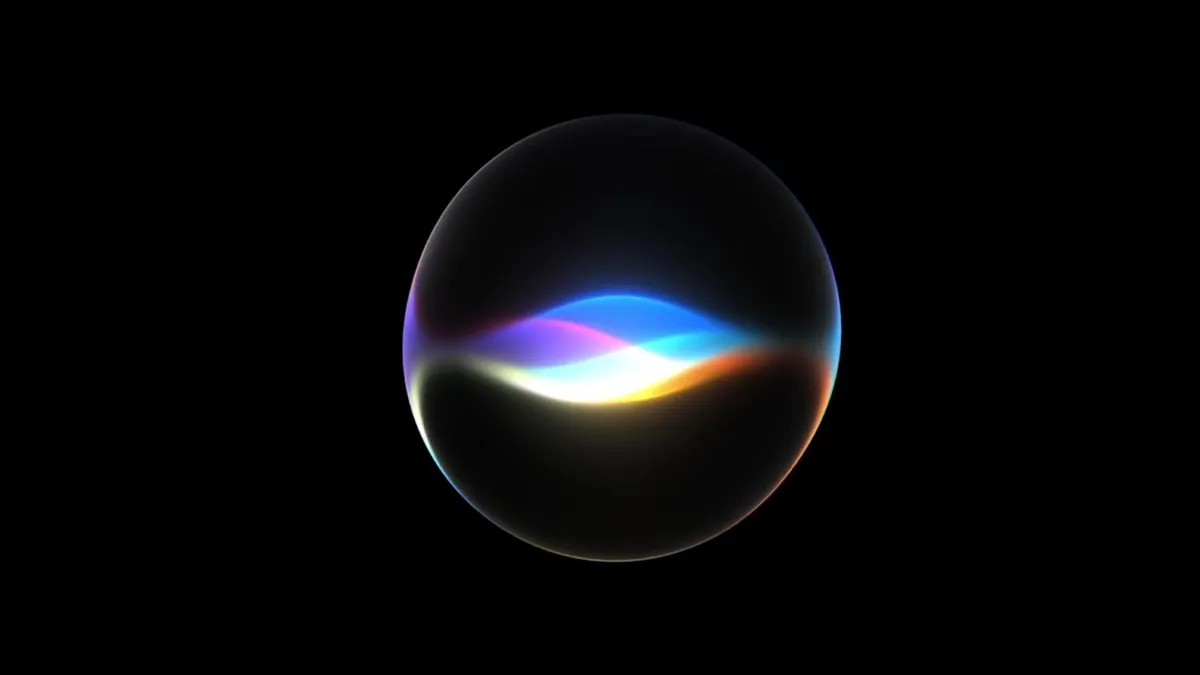
iOS 21 brings Apple Intelligence updates that finally narrow the gap with Android. Siri, for years the punchline of tech jokes, is getting a serious upgrade. It now uses Google’s Gemini models behind the scenes. This integration allows Siri to handle multi-step tasks previously reserved for human assistants or other apps.
Context is everything now. The new system knows what you’re looking at. You ask where your flight confirmation is, and Siri checks your email. You ask for the photo from your group chat, and it finds it instantly. No more vague web searches. It’s deeper, faster, and actually contextual.
“This means integrating AI deep into the product,” Craig Federighi said during the keynote. “Grounding it in your personal context.”
The Privacy Paradox in AI Smartphones
Trust is the sticking point. Letting an AI book flights or reset passwords feels intrusive to many users. It requires ceding a tiny bit of control for major convenience.
Google’s I/O conference last month took a similar swing with Gemini Intelligence for Android. They’ve been pushing hard to turn phones into “intelligence systems.” It’s a marketing phrase you might find annoying. The implication, though, is undeniable. AI is no longer a gimmick. It’s becoming the core infrastructure.
Both companies now emphasize on-device AI for privacy. Your data stays on the silicon. But does that reassure everyone? Not always. If your info is already scattered across both ecosystems anyway, why not use the better tool to organize it?
Francisco Jeronimo of IDC put it plainly. The winning AI won’t be the loudest. It’ll be the one that reduces friction without forcing a learning curve.
Catching Up After a Legal Stumble
Apple’s timing feels less about leadership and more about survival. The company agreed to pay $25$0 million recently over claims that AI promises were overstated for iPhone 16 owners. Consumers are losing patience. The gap between premium iPhones and Android flagships has been widening.
Monday’s announcements don’t put Apple ahead of the pack. But they might stop the bleeding.
If Siri AI launches later this year and works as advertised, Apple silences its skeptics. Dipanjan Chatterjee from Forrester suggests customers will believe in Apple’s strategy once execution matches the hype. For years, AI on mobile felt fragmented. Broken notifications. Apps that forgot what you were doing.
Now, both Big Tech giants seem to agree on one trajectory. Phones are becoming autonomous tools. Self-driven assistants. Real productivity.
iOS 21 signals a shift. Not a revolution, but a convergence. The era of the “smart” assistant is finally arriving on Apple’s platform. We just have to wait until the end of the year to see if the delivery matches the promise.
Hopefully, by then, your patience will be intact.