




Sosyal medyanın en devasa ağlarından biri olan Facebook hala milyarlarca aktif kullanıcıyı bir arada tutuyor. İnsanları tekrar buluşturmak, aileyle bağ kurmak veya yerel topluluklarda aktif olmak için hala en güvenilir adreslerden biri. Eğer siz de bu devasa topluluğa katılmayı düşünüyorsanız, süreç aslında oldukça sezgisel. Karmaşık teknik engeller yok. Sadece doğru adımları izlemeniz yeterli.
İster cep telefonundan, ister bilgisayardan giriş yapın, mantık aynı. İşte sıfırdan bir Facebook hesabı oluştururken izlemeniz gereken net yol haritası.
Giriş Yapma Ekranını Bulun
Öncelikle platforma erişim sağlayın. Mobil cihazlarda Facebook uygulamasını açmanız en hızlı yoldur. Bilgisayar kullanıyorsanız, tarayıcınız üzerinden facebook.com adresine gidin. Karşınıza çıkan ana ekranda sağ üst köşedeki “Kaydol” (Sign Up) butonuna tıklayın. Bu buton bazen gözden kaçabilir, dikkatli olun.
Kişisel Bilgileri Doğru Girin
Facebook, gerçek kimliklere dayalı bir yapı kurmayı hedefler. Bu yüzden ilk adımda Adınız ve Soyadınız kısmını dürüstçe doldurun. Burada takma isim kullanmak ileride hesap kilitleme veya doğrulama sorunlarına yol açabilir. Gerçek adınız, arkadaşlarınızın sizi bulmasını ve tanımasını kolaylaştırır.
Daha sonra Cinsiyetinizi seçin. Bu bilgi profilinizde görünür ama gizlilik ayarlarıyla kontrol edilebilir. Ardından yeni bir E-posta adresi veya Telefon numarası girin.
Şifre Belirleme ve Doğrulama
Güvenlik her zaman ön planda olmalı. Kullandığınız e-posta veya telefon numarası, hesabınızı kurtarmak için tek anahtardır. Bu yüzden erişilebilir olduğundan emin olun. Ardından güçlü bir Şifre oluşturun. Harf, rakam ve sembol kombinasyonu kullanın.
Bilgisayardan kayıt oluyorsanız, tarayıcınız size şifre önerilerinde bulunabilir. Bunları kabul etmek genellikle daha güvenlidir.
Doğrulama ve Onay
Bilgileri girdikten sonra Facebook size bir doğrulama kodu gönderir. Bu kodu e-posta kutunuza veya SMS’inize bakarak bulun. Alanı ilgili yere girin.
Eğer cep telefonu numarası girdiyseniz, SMS doğrulaması çok hızlı gerçekleşir. E-posta ile kaydolduysanız, gelen kutunuzu (ve istenmeyen mesajlar klasörünü) kontrol edin. Doğrulama kodunu girdiğinizde, hesabınız resmi olarak aktif olur.
Profilinizi Tamamlayın
Hesabınız açıldıktan sonra sizi karşılayan şey boş bir profil sayfasıdır. Burası kişisel kimliğiniz. Bir profil fotoğrafı
Facebook.com adresine gittiğinizde, sağ üst köşedeki “Hesap Oluştur” butonu sizi bekliyor. Bu, her şeyin başladığı yer. Tıklatın.
Karşınıza basit, neredeyse sade bir form çıkacak. Ama bu sadelik, dikkat gerektirir. İlk boşluğa kendi e-posta adresinizi veya cep telefonunuzu yazın. Bu, hesabınızın anahtarı olacak. Unutursanız, kapıyı kilitlersiniz.
Altındaki alan adınız ve soyadınız için. Gerçek isim mi, takma isim mi? Facebook politikaları genellikle gerçek kimlikleri zorluyor. Şifrenizi oluşturun. Güçlü olsun. Tahmin edilemez. Doğum tarihinizi girin. Cinsiyetinizi seçin. Sonra “Kaydol” deyin.
İşlem bu kadar kısa mı? Evet. Ama bitmedi.
Formu Doldurma ve Doğrulama Süreci
Tarayıcınızın adres çubuğuna www.facebook.com yazmak en güvenli yol. Direkt bağlantıya tıklamak da iş görür. Ana sayfada form zaten belirgin. Ad, soyad, e-posta veya telefon, şifre, doğum tarihi…
Bu bilgileri girerken acele etmeyin. Yanlış bir harf, ileride “şifremi unuttum” döngüsüne hapsedebilir sizi. Bilgileri doğru ve güncel tutun.
Butona bastınız. Peki, şimdi ne?
Formu gönderdikten sonra Facebook size bir kod yollar. E-posta kutunuza. Ya da SMS olarak telefonunuza. Bu kod, siz olduğunuzu kanıtlar. Doğrulama kodunu girin. Hesabınız aktif olur.
Profilinizi Kişiselleştirme
Hesabınız hazır. Ama boş. Facebook sizi profilinizi doldurmaya yönlendirecek.
Profil fotoğrafı yükleyin. Yoksa kim olduğunuz belli olmaz. İlgi alanlarınızı seçin. Hangi gruplara katılmak istiyorsunuz? İş yerinizi, okulu… Bunlar profilinizi zenginleştirir. Sadece estetik değil, algoritmik olarak da önemlidir. İçeriğinizi kimlerin göreceği bu verilere göre şekillenir.
Arkadaş Ekleme Stratejileri
Facebook’un çekiciliği, bağlantılarınızda saklı. Ama yeni bir hesapla kimsin?
Facebook size yardımcı oluyor. E-posta listenizi senkronize edin. Telefon rehberinizi tarayın. Kimler zaten üye? Listeler halinde çıkar. İlgilenebileceğiniz kişiler önerilir.
Arkadaşlık isteği gönderin. Kabul edilsin ya da edilmesin, ağınız büyümeye başlar. Bu, platformun “network effect” mantığı. Ne kadar çok bağlantı, o kadar değerli bir hesap.
“Bir sosyal ağda izolasyon, varoluşsal bir risktir.”
Gizlilik ve Güvenlik Ayarları
Hesap açtınız. Şimdi kritik adım: Güvenlik.
Facebook size seçenekler sunar. Kişisel bilgilerinizi koruyun. Paylaşım ayarlarınızı yapılandırın. Gözleriniz dışındaysa, kim ne görür?
- Kimler görebilir? Arkadaşlar mı, herkes mi?
- Kim mesajlaşabilir? Sadece arkadaşlar mı?
- Etiket onayı? Fotoğraflarınıza etiket düşmeden önce onaylayın mı?
Bu ayarları gözden geçirmezseniz, profiliniz açık bir kitap olur

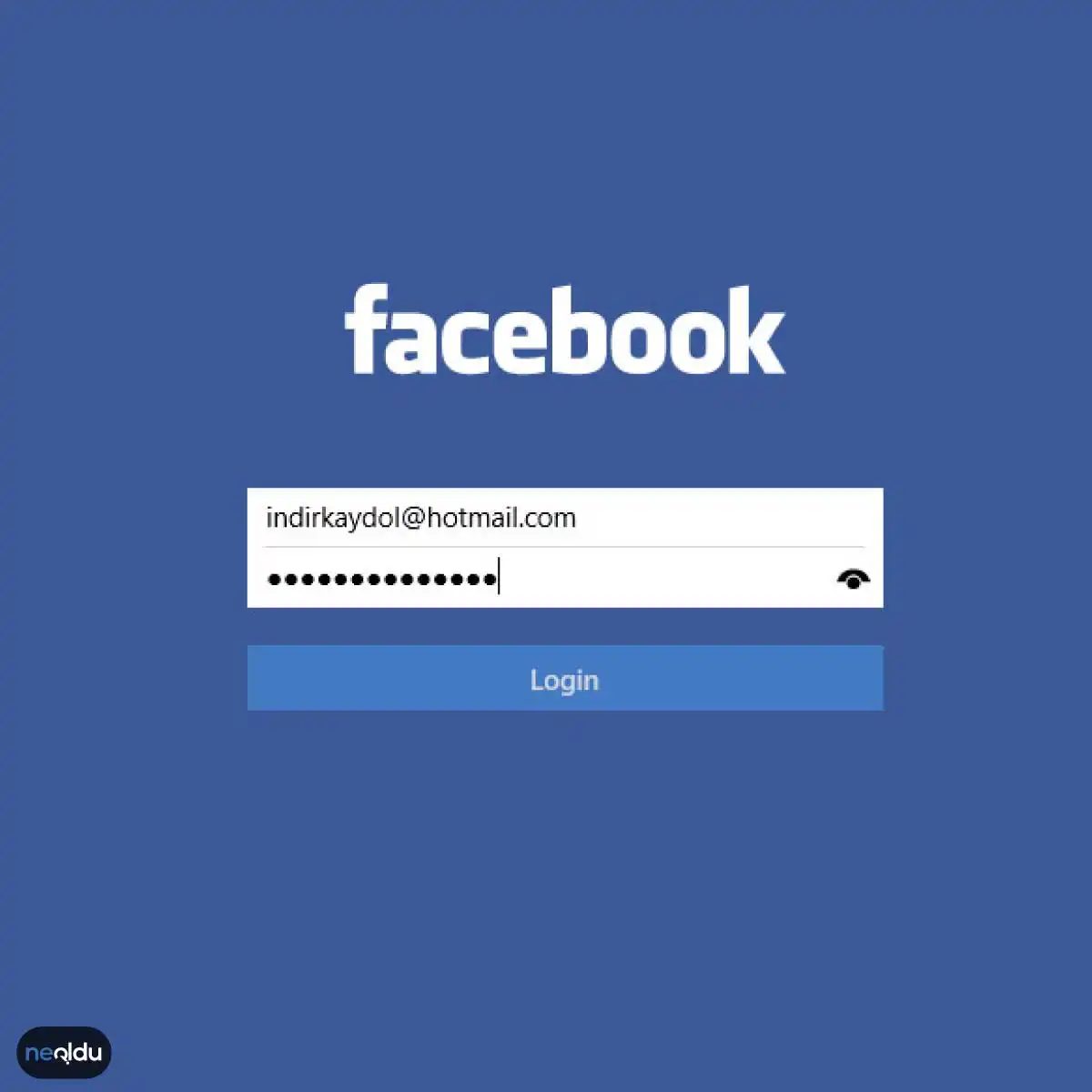
Why Your Facebook Login Details Are the First Line of Defense
Creating a Facebook account is mechanically simple. You click, you type, you get in. But the ease of entry is exactly what makes the security setup so easy to botch. If you treat the initial setup as a formality rather than a configuration step, you are handing keys to strangers. The platform wants you to use real information, not just for compliance, but because it ties your digital identity to a verifiable human. Skip that, and you become a ghost in the machine—easier to fake, easier to lose, and harder to recover if hacked.
The Password Trap
A password is only as strong as its complexity and its uniqueness. An eight-character minimum is the absolute floor. Anything less is an invitation. You need a mix of upper-case, lower-case, numbers, and symbols. But complexity alone isn’t enough. If you reuse that same password for your email, your bank, and your Facebook account, you have created a single point of failure. One breach topples them all. Change it. Often. And never share it, not even with people who claim they “just need to check something.”
Privacy Settings Are Not Optional
New accounts come with default privacy settings that favor data sharing over user protection. You must actively change them. Go into the settings and audit who can see your phone number, email, and friend list. Leaving these public is like posting your home address on a billboard. Facebook’s algorithm thrives on this data, but your security does not. Restrict visibility to friends only, or even closer circles. This is not about hiding; it is about limiting the attack surface.
The Spam Filter Myth
You will get spam messages. Immediately. Some will be obvious. Others will be sophisticated phishing attempts disguised as friend requests or promotional offers. The rule is simple: do not click. Do not reply. Do not engage. Clicking a link in a spam message can install malware or steal your session cookies. It is not a matter of if you will encounter bad actors, but when. Treat every unsolicited message with extreme prejudice.
Read the Rules. Seriously.
Facebook’s Community Standards are not just legal jargon. They are the boundary lines. Violate them, and your account gets restricted or deleted. Read them. Understand what constitutes hate speech, harassment, or misinformation. Ignorance of the rules is not a defense. It is a fast track to losing your digital presence.
Common Mistakes New Users Make (And How to Fix Them)
Even with the best intentions, new users slip up. Here are the most common errors and how to correct them before they become disasters.
Using a Weak or Reused Password
Error: Using “password123” or the same password you use for your email.
Fix: Use a password manager. Generate unique, complex passwords for every account. If you must write them down, keep the physical note safe.
Leaving Two-Factor Authentication (2FA) Off
Error: Relying solely on a password for login.
Fix: Enable 2FA immediately. This adds a second layer of security. Even if someone steals your password, they cannot log in without the code from your phone or authenticator app. This is non-negotiable for modern account security

When Facebook Registration Fails: Fixing Common Contact Errors
You want to join Facebook. It’s quick. You download the app or hit the site, enter your details, and expect instant access. Instead, you hit a wall.
The errors are annoying. But they are rarely complex. Most of them stem from simple data entry mistakes or, in worse cases, someone else already owning your digital identity. Let’s break down the specific roadblocks that stop you from creating a Facebook account, why they happen, and exactly how to fix them.
“This Phone Number Is Already in Use”
This is one of the most frequent hurdles. The system rejects your number with the message: “This phone number is already in use on another account.”
Here is what is happening: Facebook requires unique contact points. A single phone number can only be tied to one active account. If you are seeing this, it usually means one of two things.
- You created an account years ago, forgot about it, and are now trying to start fresh.
- Someone has your number and has registered it themselves.
If you are sure you haven’t used the number before, assume the latter. This is a potential security red flag. Do not keep guessing passwords. Contact Facebook Support immediately to reclaim the link between your identity and that phone number. They have a process for verifying ownership.
“This Email Address Is Already in Use”
The email error is similar but often more confusing because we use multiple email providers. The error reads: “This email address is already in use on another account.”
Again, the rule is simple: uniqueness. You cannot attach [email protected] to two different Facebook profiles simultaneously.
If you are certain you did not register this email, someone else might have. This could be a typo by a stranger or, more likely, an old account you made under a different name or with a different intention (like a business page converted to a personal profile).
Check your inbox for verification emails you might have missed. Search for “Facebook” in your email history. If nothing comes up, reach out to Facebook Support. They can help you disconnect the email from the dormant account so you can use it for your new one.
Fixing “Please Enter a Valid Email Address”
Sometimes, it’s not a conflict. It’s just a mistake. The message “Please enter a valid email address” is Facebook’s way of saying the format is broken.
This usually happens due to:
* Missing the @ symbol.
* Missing the domain (e.g., gmail.com ).
* Typos like gmial.com or faceboook.com.
* Using special characters that Facebook’s parser doesn’t like.
How to fix it: Type the address slowly. Copy-paste it from another source if possible, but check for hidden spaces. Ensure you are using a standard email provider that Facebook recognizes.
Fixing “Please Enter a Valid Phone Number”
The phone number validation error (“Please enter a valid phone number” ) is almost always a formatting issue.
Facebook’s algorithm is strict. It expects:
* The correct country code (e.g., +1 for US, +44 for UK).
* No special characters like dashes, parentheses, or spaces (depending on the


Finalizing Your Digital Identity
Creating the account is the easy part. The real work starts now. You need to tell the platform who you are before it tells you who to follow. Fill out the basics. Name, birthday, job. It sounds mundane, but this data feeds the algorithm. Add a profile picture. Add a cover photo. Without these, you look like a bot or a ghost. People scroll past ghosts.
Who Do You Know?
Facebook wants you connected. It uses the data you already gave it. Your email list. Your phone contacts. Other social logins. It cross-references everything to suggest friends. Click yes. Click no. The suggestions are usually accurate, but not always. It’s a map of your existing life. Use it to rebuild your network digitally.
Curating Your Feed
Your feed isn’t just for friends. It’s a content stream. Follow pages. Brands. Celebrities. Non-profits. These are the topics you care about. If you like retro tech, follow a page about vintage computing. If you love coffee, follow a local roaster. The feed becomes a filter for your interests. You control what enters your visual space. Curate aggressively. Mute what you don’t want.
Finding Your Tribe
Groups are where the conversation actually happens. Pages are broadcast channels. Groups are town halls. Millions of groups exist. Sports. Hobbies. Local neighborhoods. Niche hobbies. Join a group that matches your interest. Read the posts. See the discussions. It’s less about the algorithm and more about community. You’ll find people who get it. You’ll find events. You’ll find advice.
Locking the Doors
Gloss over privacy settings and you’re asking for trouble. Go to settings. Privacy tab. This is your control panel. Decide who sees your posts. Strangers? Friends only? Only you? You can hide your friend list. You can stop search engines from indexing your profile. You can control tagged photos. Do not skip this. The default settings are open by design. Close them.
Switching to Messenger
The chat bubble is separate now. Facebook Messenger is its own app. It’s faster. It’s lighter. It handles video calls and voice chats better than the main app. Use it for direct messages. Group chats live here too. It syncs with your Facebook account but operates independently. If you want real-time conversation, move here.
Hardening Your Security
Passwords are the first line of defense. Make it long. Make it complex. Don’t reuse it. Then, turn on two-factor authentication (2FA). This adds a second layer. Even if they get your password, they can’t get in without the code from your phone. Secure your devices too. If your phone is compromised, your Facebook is compromised. It’s that simple.

Creating a Facebook Account: The Basics
You do not have to be a coding expert to join the world’s largest social network, but the process is often glossed over in favor of just “logging in.” Most users skip the setup phase and jump straight to the feed, which leaves them vulnerable. Let’s look at the actual mechanics of getting started.
Head to www.facebook.com. The interface is straightforward. Locate the “Create New Account” button. It is usually prominent. You are prompted for a name. First name. Last name. Then, your email address or mobile phone number. This is your unique identifier. Pick a password. Enter your birth date. Click “Sign Up.”
If the system accepts your details, it will send a verification code to the email or phone number you provided. Enter that code. This step is non-negotiable. It proves you are a real person and not a bot farm. Once verified, the account is live.
Required Fields and Optional Fluff
What exactly must you provide? The platform demands a few non-negotiable data points.
- Name: Real name is the standard policy, though nicknames are often tolerated.
- Contact Info: A working email or mobile number. This is how you recover access if you get locked out.
- Password: Your key to the digital door.
- Birth Date: This is critical for age gating.
The rest is optional. You can upload a profile picture later. You can add a cover photo weeks down the line. You can leave your bio blank. However, leaving these empty makes your profile look like a ghost town. People trust accounts with faces. It is a social heuristic, not a rule, but it affects engagement.
Why the Birth Date Matters
You might wonder why Facebook needs your exact day of birth. It is not just for birthday cakes. The primary function is compliance. Facebook requires users to be at least 13 years old in most jurisdictions. The date acts as a filter.
There is a secondary benefit. Friends can send birthday greetings. Notifications pop up on their feeds. It creates a micro-event in your social graph. It drives interaction. But the hard constraint is age verification. If you are underage, the account will eventually be suspended. If you are misrepresenting your age, you risk account restriction.
Password Security: No Shortcuts
Choosing a password is where many users make costly errors. A simple 123456 or your dog’s name is an invitation for compromise.
A secure password needs length and complexity. Aim for at least eight characters. Mix uppercase and lowercase letters. Include numbers. Use symbols. The goal is entropy. Make it hard to guess. Hard to crack via brute force.
Do not reuse passwords. If your Facebook password is the same as your email password, and your email gets phished, your social identity is gone. Store strong passwords in a dedicated password manager. Do not write them on sticky notes. The convenience of accessibility is not worth the risk of exposure.
Adjusting Privacy After Registration
You are in. The profile is public by default in many cases. This is risky. You need to shift control before you start posting personal photos.
Go to the menu. Select “Settings & Privacy.” Then click “Settings.”
Here you will find the **”Privacy