


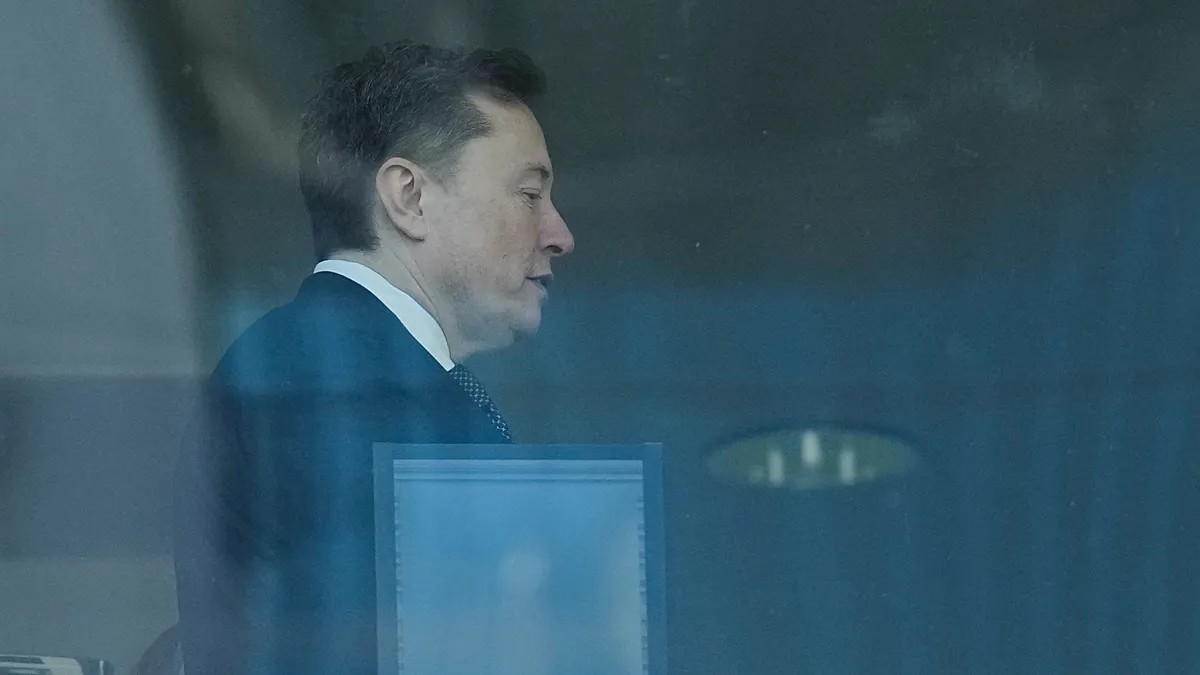
The legal battle between Elon Musk and OpenAI entered a critical phase on Thursday, marked by sharp exchanges between the tech billionaire and OpenAI’s legal counsel. As the third day of proceedings unfolded in federal court in Oakland, California, the core dispute remained unchanged: Musk alleges that OpenAI abandoned its original mission to create safe, beneficial artificial intelligence for humanity and instead transformed into a for-profit corporation.
“I thought I had started a nonprofit with OpenAI but they stole it,” Musk stated, summarizing the foundation of his lawsuit.
Clash Over Profit Caps and Intent
A significant portion of Thursday’s testimony focused on the nuances of OpenAI’s corporate structure. OpenAI lawyer William Savitt pressed Musk on previous statements regarding investor profits. When asked if capping investor returns would satisfy OpenAI’s founding commitments, Musk initially suggested it depended on the height of that cap.
Savitt challenged this, noting that Musk’s previous answers had been less qualified. Musk pushed back, criticizing the line of questioning:
“Few answers are going to be complete, especially if you cut me off all the time.”
Musk clarified his position, arguing that if the profit cap is set “super high,” the entity effectively operates as a for-profit business, thereby violating the spirit of its nonprofit origins.
The Conflict of Interest Question
Judge Yvonne Gonzalez Rogers also scrutinized the motivations behind the lawsuit, highlighting a potential conflict of interest. She pointed out that Musk is currently building xAI, a direct competitor to OpenAI, which he launched in 2023.
“Your client, despite these risks, is creating a company that is in the exact same space,” Judge Rogers observed.
This raised questions about whether the lawsuit was driven by a desire to protect AI safety principles or to gain a competitive advantage for Musk’s own ventures. OpenAI’s defense has consistently argued that the lawsuit is a strategic move to undercut OpenAI’s rapid growth while bolstering xAI’s market position.
Broader Context and Judicial Boundaries
The trial also touched on Musk’s broader portfolio, including Tesla, SpaceX, Neuralink, and X. When asked why he had not established a new nonprofit in the eight years since leaving OpenAI, Musk reiterated his belief that his existing companies are socially beneficial.
Tensions escalated when Musk invoked The Terminator films to discuss the existential risks of AI. Judge Rogers firmly intervened, reminding both sides that the trial is not a platform for debating the future of humanity or the safety risks of artificial intelligence.
“People don’t want to put the future of humanity into Mr. Musk’s hands,” Judge Rogers stated. “This is not a trial on the safety risks of artificial intelligence. This is not a trial on whether or not AI has damaged humanity.”
Why This Matters
This case extends beyond a simple corporate dispute; it touches on the fundamental question of how powerful AI companies should be structured and governed. Musk, who contributed over $44 million to OpenAI in its early days, represents a faction that believes AI development must remain strictly nonprofit to ensure safety. OpenAI, however, argues that its hybrid model—pursuing profit while adhering to safety guidelines—is necessary for sustainable innovation.
The trial is scheduled to continue through late May. Musk was excused from the witness stand on Thursday but may return later in the proceedings. The outcome could set significant precedents for the governance of major AI developers.