


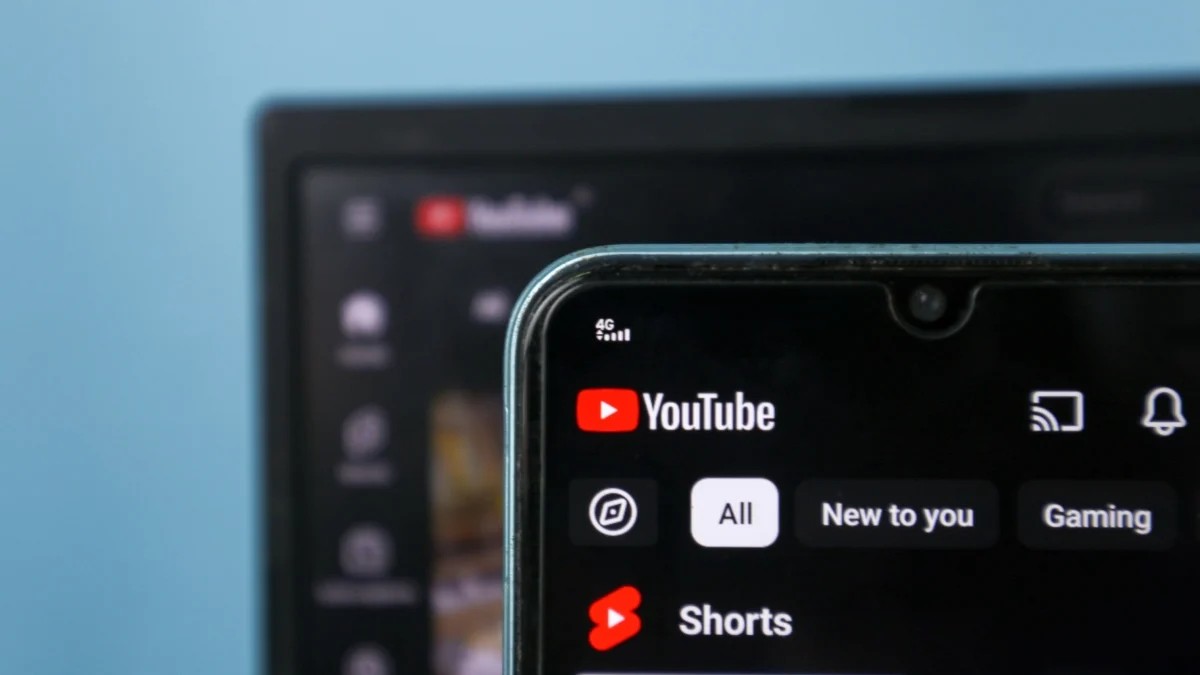
YouTube is changing the game again. Or at least pretending to. The platform is upgrading its AI disclosure system. Big words. Small results. They’ve got a new automatic detection tool. Tech companies love this “provenance” talk. It sounds serious.
Before this? Creators had to tag photorealistic AI stuff themselves. Skip it. You got a strike. Mark it. The label hid in the description. Buried. Now. The label lives up top. Right next the title. Visible. It also sits in the corner for Shorts. You can’t miss it if it’s there.
Automatic detection? Yes. Finally. YouTube started labels in 2024. Never scanned for them until now. If you forget to tag, the algorithm might find you.
“It’s important to note that a labeling doesn’t change recommendations or monetization eligibility.”
That’s the spin. The goal? Transparency. Easy access to facts. Supposedly.
The “Slop” Problem
People hate the AI sludge. Millions of videos deleted already. Channels scrubbed. CEO Neil Mohan calls curbing this “slop” a priority. He has to.
Kids. Oh, the kids. Advocates are screaming. Dangerous animated AI content flooding the feeds. A letter went out in April. To Mohan and Sundar Pichai. The message was clear: ban AI on YouTube Kids. Label everything. Give parents control.
YouTube said they were working on it.
The Big Catch
Here’s the twist. The new labels? Only for main YouTube. Not YouTube Kids. Why? The company says their current system doesn’t fit the Kids section. No descriptions on Kids videos. Makes sense if you want to hide it.
And the auto-detector? It only hunts “photorealistic” content.
Real-looking humans? Check.
Animated characters? Miss.
Stylized video? Miss.
So if your AI avatar is clearly a cartoon… you’re off the hook. No label. No warning.
Is this real progress? Maybe. It’s definitely convenient. But let’s not pretend we’re solving the AI chaos problem when half the content slides right through the net. 🕸️
The system is live. The filters are narrow. And the slop keeps coming.