




A new annual report from Stanford University reveals a widening chasm between the people building artificial intelligence and the people living with its consequences. While AI industry insiders remain largely optimistic about the technology’s future, the general public is expressing growing anxiety regarding its impact on livelihoods, healthcare, and the economy.
A Clash of Priorities
The disconnect stems from a fundamental difference in what “risk” means to each group. For tech leaders and researchers, the primary focus is often on Artificial General Intelligence (AGI) —the theoretical leap toward superintelligence capable of human-level reasoning.
However, for the average citizen, the concerns are much more immediate and material:
– Job Security: Fear of displacement and wage stagnation.
– Cost of Living: Anxiety over rising energy bills driven by massive, power-hungry data centers.
– Societal Stability: Concerns about how AI will reshape essential services like medical care.
This gap is perhaps most visible in the data regarding the future of work. While 73% of experts believe AI will have a positive impact on employment, only 23% of the public shares that optimism. Similarly, while 69% of experts foresee economic benefits, only 21% of the public agrees.
The Growing Sentiment of Anxiety
The report highlights a troubling trend: even as AI usage increases, public sentiment is souring. This is particularly evident among Gen Z, who, according to Gallup, are becoming increasingly angry and less hopeful about the technology despite being frequent users.
The data from Pew Research underscores this tension:
* General Outlook: Only 10% of Americans report being more excited than concerned about AI’s integration into daily life.
* Healthcare: A massive gap exists here; 84% of experts predict a positive impact on medical care, compared to just 44% of the public.
* The “Nervousness” Factor: Globally, while the perception of AI’s benefits has risen slightly (from 55% to 59%), the number of people feeling “nervous” about the technology has also climbed to 52%.
Trust and Regulation
The divide is not just about technology, but about governance. The report notes a significant lack of confidence in the ability of institutions to manage this transition.
In the United States, trust in the government to regulate AI responsibly is remarkably low at just 31%, especially when compared to nations like Singapore, where trust sits at 81%. This lack of confidence is reflected in public opinion on regulation: 41% of Americans believe federal oversight will not go far enough, while only 27% fear it will go too far.
The Social Friction Point
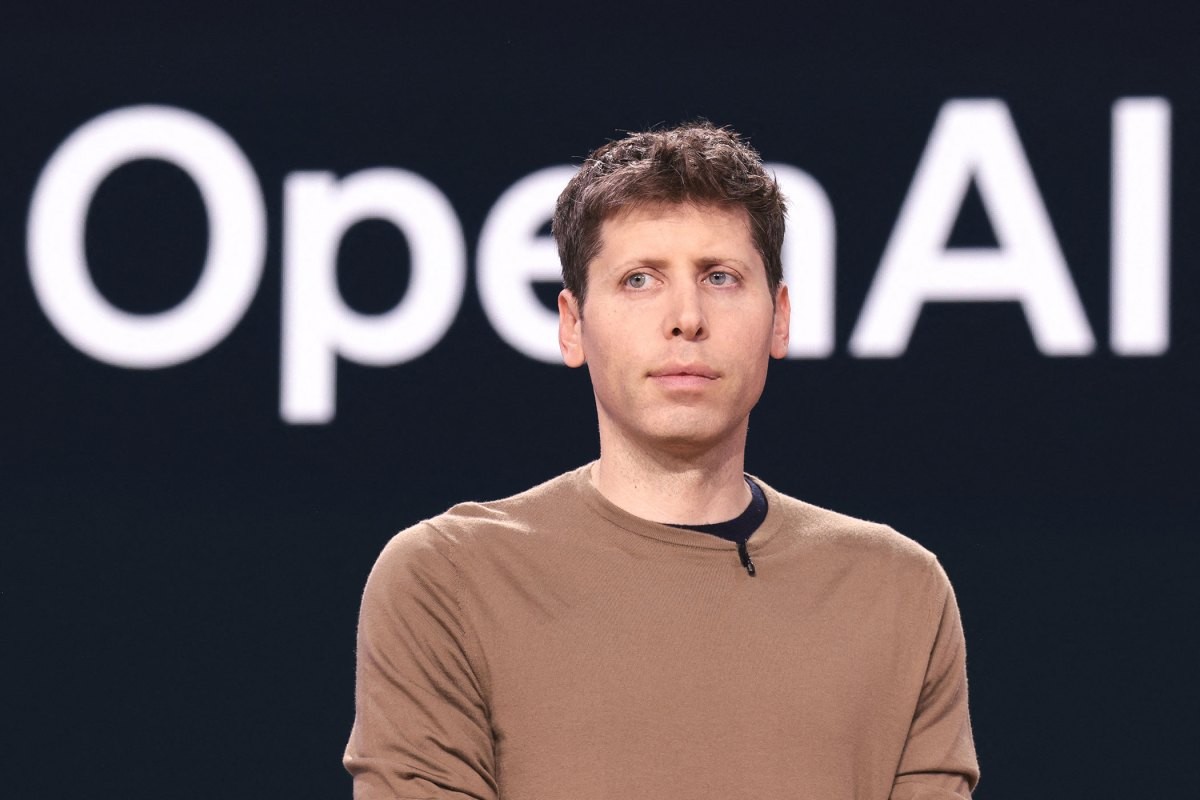
This disconnect is moving beyond data points and into the realm of social volatility. The report points to increasingly aggressive online rhetoric—such as the reactions to recent incidents involving OpenAI CEO Sam Altman—as evidence of a growing “anti-AI” sentiment. This mirrors recent patterns of civil unrest and workplace violence fueled by economic frustration, suggesting that if the gap between tech advancement and social stability continues to widen, the friction could escalate.
The data suggests that while the industry is focused on the “what” of AI—what it can do and how smart it can become—the public is focused on the “how”—how it will affect their ability to earn a living and maintain their quality of life.
Conclusion
The Stanford report highlights a critical misalignment: as AI capabilities accelerate, public trust and economic security are lagging behind. Bridging this gap will require more than just technological breakthroughs; it will require addressing the very real, material fears of the global workforce.