




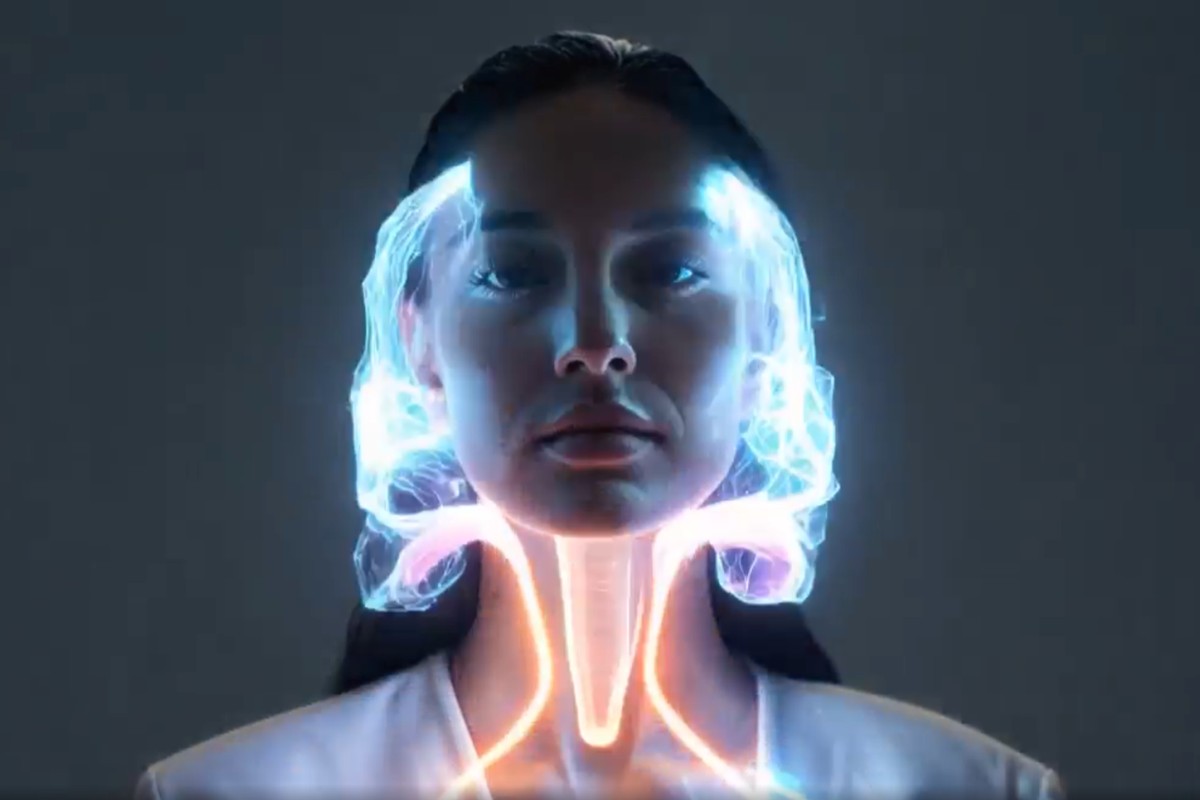
A new venture is attempting to fundamentally alter the human experience by solving one of our oldest biological limitations: the tendency to forget. Engramme, a startup co-founded by Harvard Medical School professor Gabriel Kreiman, claims to have developed an algorithm that could grant humans “perfect and infinite memory.”
From LLMs to LMMs: A New Cognitive Frontier
While much of the current AI conversation focuses on Large Language Models (LLMs) like ChatGPT—which predict and generate text—Kreiman is pivoting toward what he calls “Large Memory Models” (LMMs).
The core concept involves using AI to aggregate and retrieve data from a person’s vast digital footprint. Rather than relying on the fallible biological brain to store every detail, this technology aims to create a digital repository of an individual’s life, allowing for the near-instant retrieval of information.
Kreiman describes this mission as a “fight against oblivion,” suggesting that we are approaching a “Memory Singularity” —a pivotal moment in human evolution where the biological necessity of forgetting is bypassed by technological permanence.
Economic and Professional Implications
The startup’s founders argue that this technology will not merely be a personal convenience but a structural shift in how society functions. They predict that “perfect memory” will reshape high-stakes professions, including:
- Medicine: Allowing doctors to recall every minute detail of a patient’s lifelong medical history.
- Law: Enabling instant access to every precedent, document, and testimony.
- Engineering and the Arts: Providing creators with an unbroken chain of inspiration and technical data.
To bring this vision to life, Engramme is reportedly seeking to raise $100 million, with a target valuation reaching as high as $1 billion.
The Digital Immortality Trend
Engramme is entering a growing landscape of companies exploring “digital immortality” and cognitive augmentation. This field is moving from science fiction toward commercial reality through several different approaches:
- Virtual Avatars: Companies like StoryFile use video and audio to create interactive avatars, allowing users to “interact” with a digital version of a person after they have passed away.
- Behavioral Simulation: Tech giants like Meta are already exploring ways to use LLMs to simulate a user’s persona based on their social media activity, effectively creating a digital proxy that can “act” on their behalf.
- Brain-Computer Interfaces (BCIs): While the specific medium for Engramme’s memory retrieval remains unconfirmed, much of the research in this field points toward direct neural interfaces to bridge the gap between digital data and biological thought.
The Unanswered Questions
Despite the ambitious claims, several critical questions remain regarding the implementation of such technology. How will the data be physically accessed—through a wearable device, a smartphone, or a direct neural implant? More importantly, how will the privacy and ethical implications of storing a “perfect” record of a human life be managed?
“Humanity has been fighting the problem of forgetting since the dawn of time,” Professor Kreiman noted, signaling a shift from biological evolution to technological augmentation.
Conclusion
Engramme represents a bold attempt to merge neuroscience with artificial intelligence to eliminate human forgetfulness. If successful, the transition from biological memory to “Large Memory Models” could redefine professional expertise and the very concept of human identity.