



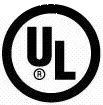
If you have ever unboxed a new laptop, plugged in a coffee maker, or inspected the wiring in a new home, you have likely seen the UL mark. It is a small logo, often embossed into plastic or printed on a label, but its presence signals something significant about safety. Underwriters Laboratories is not just a random sticker. It is a global safety sciences company with more than a century of history behind it. The organization operates as an independent, third-party entity. Its primary goal is straightforward: test products to ensure they do not pose a risk to the public.
Millions of items bear this mark every single year. In fact, approximately 14 billion products with the UL Mark entered the global marketplace last year alone. That is a staggering number. It suggests that most of the electronics and appliances we use daily have passed rigorous evaluation. The organization describes itself as a not-for-profit dedicated to public safety. This distinction matters. It is not a government agency, nor is it a manufacturer looking to boost sales. It stands apart from both sides of the transaction.
How UL Certification Works
The process begins with standards. UL sets these standards for various product categories. These are not arbitrary rules. They are developed through extensive research into potential hazards. Once standards are established, products must be tested against them. This testing is conducted in laboratories where experts simulate conditions that might cause failure, fire, or electric shock.
This model is similar to the CE marking system used in Europe. Both systems rely on independent bodies to verify compliance. However, UL is particularly dominant in the North American market. Its recognition is deeply embedded in building codes and insurance requirements. If a product lacks proper certification, it may be barred from sale in certain regions. Insurers often refuse coverage for fires caused by uncertified electrical devices. This creates a powerful economic incentive for manufacturers to seek approval.
Underwriters, by the way, are insurers. The term has historical roots. It derives from the practice of having each risk taker write his name under the total amount of risk that he was willing to accept at a specified premium. UL evolved from these early insurance roots. Today, it maintains independence to ensure its certifications are trusted. Manufacturers pay for the testing and certification process. But the authority of the mark comes from its impartiality.
Why You Should Care
For the average consumer, the UL mark is a shorthand for safety. It means an independent party checked the product. It does not mean the product is perfect. It does not mean it will last forever. It means the risk of immediate harm is minimized. When you buy a charger or a power strip, looking for this mark is a simple way to reduce the chance of a house fire or electric shock.
Certification can also apply to the installation of products in the field. This is especially relevant for complex electrical systems. A product might be certified, but if installed incorrectly, it can still be dangerous. UL inspectors may visit sites to verify that the installation meets safety codes. This adds another layer of protection.
The scope of UL’s work is broad. It covers everything from small household appliances to large industrial machinery. The standards evolve as technology advances. New hazards emerge with new innovations. UL updates its criteria to address these changes. This continuous adaptation is why the mark remains relevant after 100 years.
Manufacturers have long relied