

America didn’t have it easy in 1976.
Look at the facts. The nation was reeling. The Vietnam War ended in disgrace. Saigon fell. Nearly 60,000 Americans dead. President Gerald Ford was in the White House not because he won an election—he never actually did—but because Spiro Agnew and Richard Nixon both quit in shame. He was the only US president to serve without being elected.
The economy was choking. Inflation hit double digits back in 1974. It stayed ugly. Unemployment hovered near 8 percent. Economists had to coin a new term to describe this misery: stagflation. A word for having the worst of both worlds stuck in your teeth.
You would expect a dark mood heading into the bicentennial. You’d think people were grim.
They weren’t.
On July 4, 1977, Americans threw a massive party. Well, 1976.
More than 200 tall ships poured up the Hudson River in New York Harbor for Operation Sail. Six million spectators watched from the shore—the biggest crowd the city had ever seen. Ford stood on the deck of the USS Forrestal and reviewed the fleet. Similar scenes played out nationwide. Parades in tiny towns. Fireworks over the National Mall. Church bells ringing in unison.
It was cathartic. A decade of misery broken by one day of celebration.
Pollsters caught this energy. A Roper survey showed Americans were optimistic about the future by nearly a three-to-one margin. Gallup found over three-quarters of people believed the country had achieved at least some of its founding ideals.
A sick, struggling nation looked in the mirror and smiled.
How has America changed since the bicentennial?
Jump forward fifty years. It is now the 250th anniversary.
The mood has flipped.
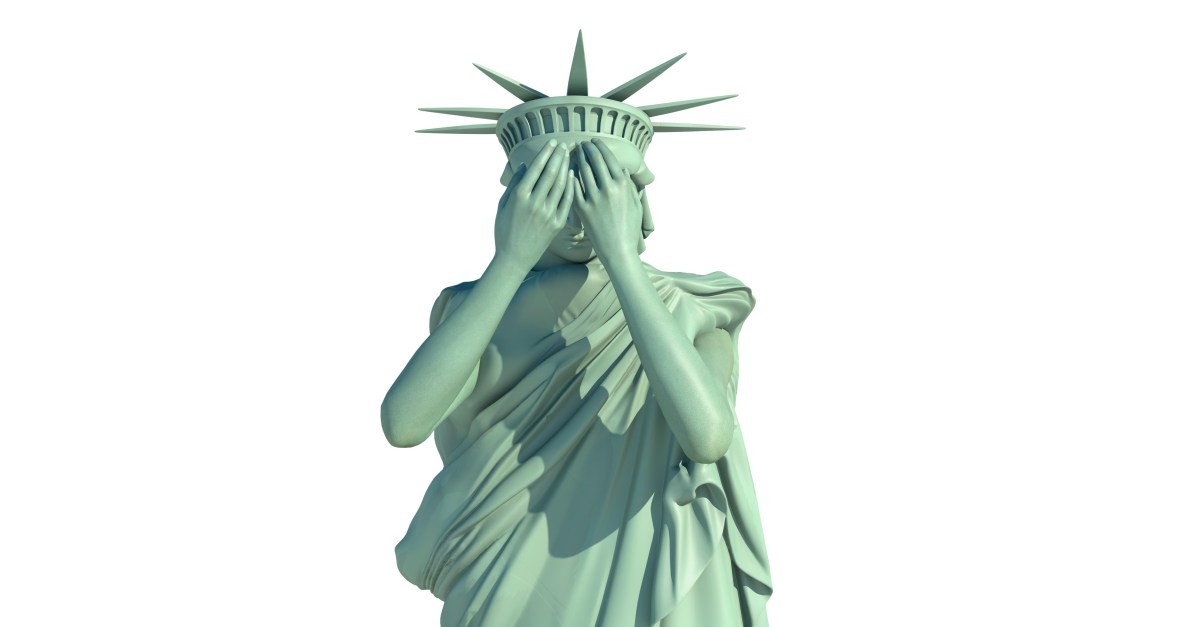
Roughly 60 percent of people now tell pollsters the nation is on the “wrong track.” A majority think their best days are in the past. Three-quarters believe their children will end up worse off financially than they are. When asked if the founders would be happy today, 77 percent say no.
The vibes are terrible.
But the vibes do not match reality.
Look at the numbers. Ignore the anxiety. Set the mood aside. By the most important metrics, the US today is a significantly better place to live than the one Americans felt good about in 1976.
Consider life expectancy. This is the baseline.
In 1976, you could expect to live 72.6 years. In 2024? That number hit a record 79 years. That is an extra six and a half years.
A baby born today is far more likely to survive infancy. Cancer, once a quick death sentence, now kills a smaller share of those it strikes.
Why? Because America stopped its worst habits.
The health improvements that saved millions
Look closer at what changed.
In 1976, life was hazy. Cigarettes were woven into the fabric of existence. You saw smoke on airplanes. In offices. In hospital wards. Roughly 37 percent of adults smoked back then.
Today? It’s closer to one in ten. And the number keeps falling.
Heart disease and lung cancer followed tobacco’s decline. They receded.
Add in seatbelts. Airbags. Better trauma care. Cheap drugs to lower blood pressure and cholesterol. The result is a country where the killers that dominated 1976 are far less deadly now.
Crime was another beast.
1976 sat on the leading edge of a brutal wave. The murder rate peaked in 1980. It stayed high for more than a decade.
By the early 2020s? Violent crime fell to a fifty-year low. Homicide rates are tracking near record lows again.
Driving used to be the single most dangerous thing most Americans did. Now? You are far less likely to die behind the wheel. The death rate per mile is a fraction of what it was.
The country got safer. Richer. Fairer.
Why does America feel so bad despite progress?
Let’s talk about the environment.
1976 air carried lead. A real neurotoxin. Pumped out of 90 percent of cars because of leaded gasoline.
Rivers burned. The Cuyahoga in Cleveland caught fire so many times it became a joke. Lake Erie was written off as dead. Los Angeles smog was so thick kids were stuck inside at recess. Mountains disappeared.
Since 1970? Something remarkable happened.
Combined emissions of the six main pollutants the EPA tracks have fallen 76 percent. Wait, 78 percent. Even as the economy nearly quadrupled. Even as tens of millions more people arrived. Even as Americans drove way more miles.
Growth went one way. Pollution went the other.
It is one of the unsung triumphs of the last fifty years. Legislative effort met technological innovation. And lead? It has essentially vanished from the air.
Society moved forward too.
Women now earn the majority of college degrees. Black poverty rates are near historic lows. Support for same-sex marriage isn’t just common—it’s the norm. In 1976, homosexuality was still criminalized in most states. That shift alone is massive.
Pick almost any random metric—health, wealth, rights, cleanliness of the air—and the line runs the right way.
This isn’t cherry-picking. It’s the overwhelming weight of evidence. The US is in some of the best health it has ever been in. Measured against its recent past, we are thriving.
So why the gloom?
The disconnect between reality and mood
Some things did get worse. Don’t ignore that.
Trust in government collapsed. Fewer than one in five Americans think Washington does the right thing. In the 1960s? Solid majorities. Polarization is worse. Democratic stability is under threat.
Those economic gains? They flowed upward. The top 1 percent share of income nearly doubled from 1976 lows.
Climate change barely registered back then. CO2 levels sat at 330 parts per million. Now? 427 ppm. The heat will only get worse. Housing is a struggle. Record households spend over a third of income on shelter. (Though home ownership is slightly higher today, and homes are bigger.)
These are real problems. But they are exceptions in a broader story of improvement. A nation that scrubbed lead from its air can handle new challenges too.
Think of it like two birthdays.
1976: Americans had less of almost everything. Less life expectancy. More dirt. More danger. Less freedom. Yet they felt good.
2026 (or close enough): We have more. Yet we don’t.
A country’s mood is a flawed instrument. It measures the story we tell ourselves. Not the lives we actually live.
More than three-quarters of Americans say they are happy with their own lives. Despite the noise.
Those people cheering in New York Harbor in 1977? They were celebrating a country sicker and dirtier than ours. But they were right to cheer. The line was already bending the right way. It kept bending.
A nation can travel a long way. Even when it’s convinced it’s going nowhere.